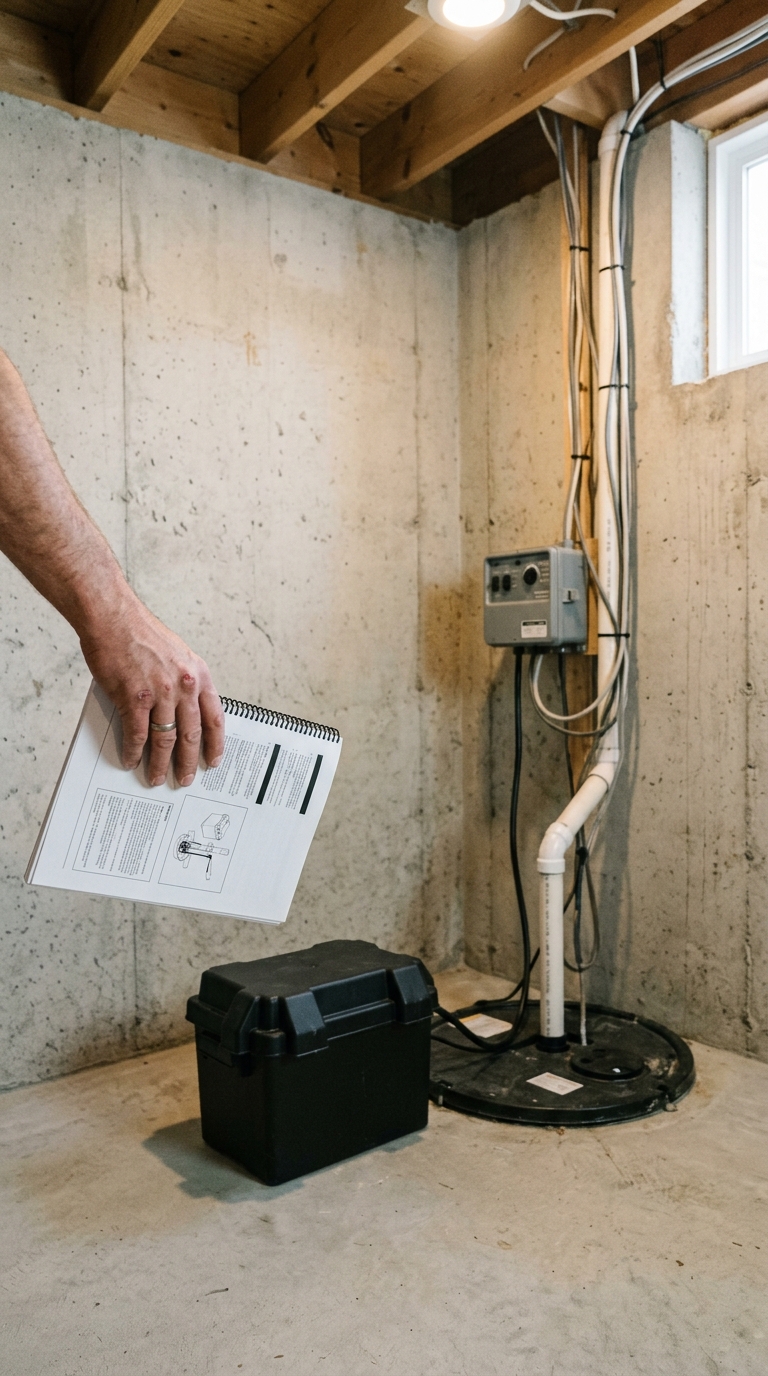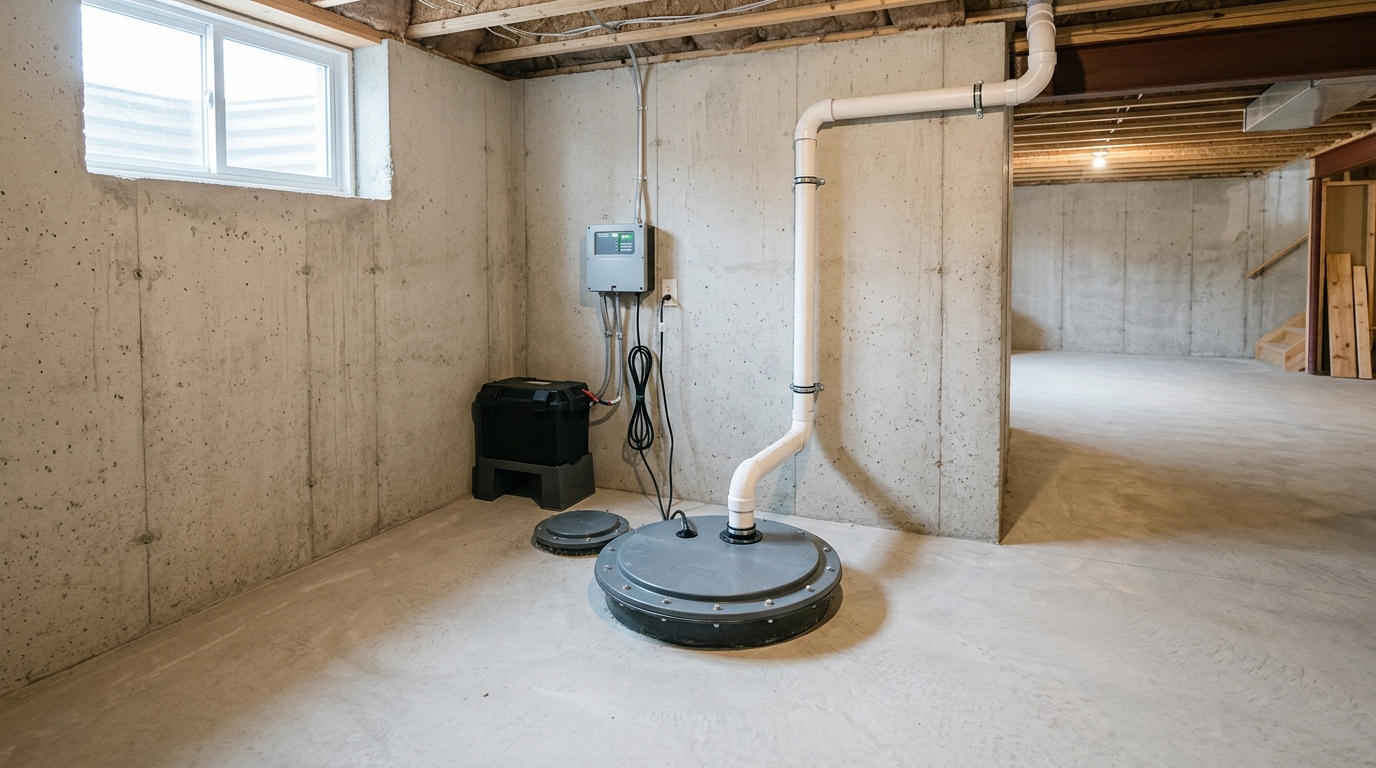
Three sump pump alarms for three jobs: a phone-alerting pump monitor, a cheap local water alarm, and a dedicated tethered-float high-water alarm.
If you want one answer: buy the PumpSpy WiFi Sump Pump Smart Outlet 2.0 if your existing 120V pump is sound and you need alerts away from home. Buy the Basement Watchdog BWD-HWA if you need the simplest cheap local warning. Buy the Superior Pump 92060 if you need a dedicated high-water float with a settable alarm height. We kept three picks because an alarm’s job is warning—not moving water—and each solves a different part of that job.
Before buying anything, run our sump-pump test. A failed pump, blocked discharge, or dead backup battery needs repair; an alarm gives you time to find out.
The short version
- Test the pump first. Add water and confirm the float, pump, check valve, and discharge line complete a full cycle.
- Match the warning to your absence. At home most of the time? A local siren may be enough. Away often? Choose remote monitoring.
- Mount and test the alarm at a meaningful water level. Keep a float clear of pipes and confirm a battery- or app-based alert actually arrives.
Comparison table
| Pick | Product | Typical price | Best for |
|---|---|---|---|
| Top pick | PumpSpy WiFi Sump Pump Smart Outlet 2.0 | $160–$180 | Existing 120V pump owners who want remote alerts |
| Budget pick | Basement Watchdog BWD-HWA Water Alarm | $12–$20 | A simple, loud local warning near a sump pit |
| Upgrade pick | Superior Pump 92060 Universal Pump Alarm System | $90–$105 | An adjustable, dedicated high-water float alarm |
Top pick: PumpSpy WiFi Sump Pump Smart Outlet 2.0
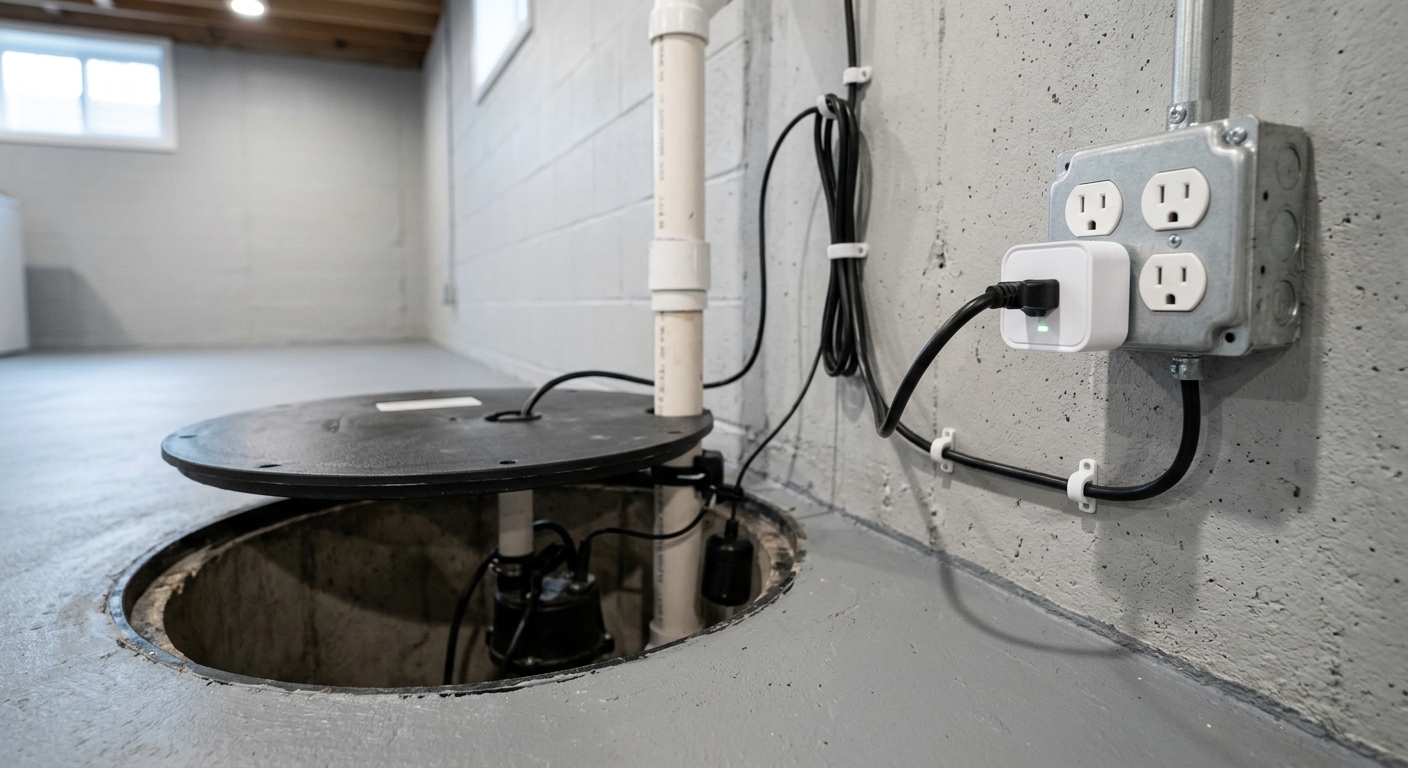
PumpSpy’s Smart Outlet 2.0 is the practical upgrade for a working, existing 120V sump pump. It monitors the connected pump and pairs with a high-water sensor, then uses the PumpSpy app for remote monitoring and alerts. That makes it useful when a basement is empty during workdays, travel, or a long storm weekend.
The official manual specifies 120V, 15A operation and a 2.4 GHz Wi-Fi/IoT network. PumpSpy describes the outlet as compatible with connected 120V pumps; the included sensor adds a second signal beyond pump activity. In plain terms: it is a monitoring layer, not a new pump.
What to watch out for: It is for residential indoor use and needs a reliable 2.4 GHz network. Remote alerts are not a substitute for battery backup or for clearing a blocked discharge line. If the goal is warning during a power failure, test the whole backup system separately.
Budget pick: Basement Watchdog BWD-HWA Water Alarm
The Basement Watchdog BWD-HWA is the cheap, blunt instrument in this group: it detects water and sounds a claimed 110 dB local alarm. Its six-foot sensor lead can reach into a sump pit or mount at a chosen height, and the manufacturer says the unit detects as little as 1/32 inch of water.
That is enough for many homes where people are present and the basement is within earshot. It also avoids an app, subscription, Wi-Fi setup, and outlet dependence. Water Advisor’s roundup likewise identifies it as a budget option for a high-water warning.
What to watch out for: This is a local water-contact alarm, not a pump monitor. It does not text you, run a backup pump, or diagnose a stuck float. It needs a 9V alkaline battery, sold separately, and it only helps if someone can hear it and act.
Upgrade pick: Superior Pump 92060 Universal Pump Alarm System
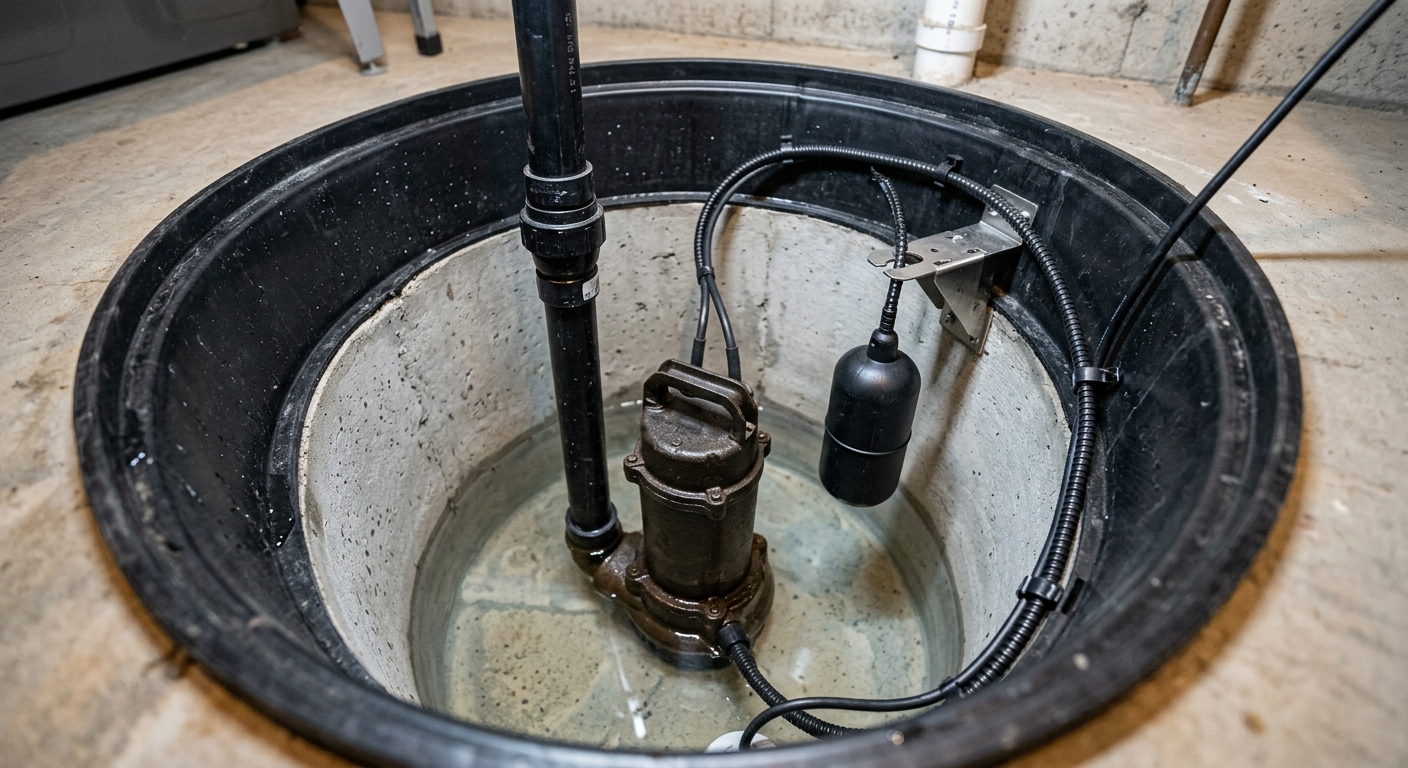
The Superior Pump 92060 is the better fit when you want a dedicated high-water alarm rather than a water-contact puck. Its 15-foot adjustable tethered float mounts in the basin, allowing you to set the point where rising water triggers the alarm. Superior Pump specifies an 87 dB horn, a non-corrosive indoor-rated enclosure, and a 9V battery backup.
The extra cost pays for a proper float-based setup and mounting hardware. It is well suited to a sump or holding basin where you want the alarm to trip before water reaches the top—not after it has spread across the floor.
What to watch out for: It is indoor-only and local-only. The float needs unobstructed travel; a badly placed tether can snag on piping or the pump and undermine the warning. The backup battery is not included, and the alarm does not fix a failed pump.
How we chose
We looked for alarms that cover three real buying cases rather than three versions of the same gadget: remote pump monitoring, low-cost local water detection, and an adjustable float-based high-water warning. We confirmed each exact Amazon product link and compared it against manufacturer specifications.
PumpSpy’s documentation establishes the Smart Outlet’s 120V/15A rating, residential indoor use, and 2.4 GHz Wi-Fi requirement. Basement Watchdog documents the BWD-HWA’s 110 dB alarm, six-foot sensor lead, and 1/32-inch water sensitivity. Superior Pump specifies the 92060’s 15-foot tethered float, 87 dB horn, and 9V backup. Water Advisor provides an independent, disclosed affiliate roundup that separates budget, float-alarm, and tech-enabled categories; it does not claim laboratory testing.
Prices are realistic observed ranges, not promises. Amazon listing prices and sellers move. Check the product page, return terms, and fit with your pump setup before ordering.
Troubleshooting & FAQ
Is a sump pump alarm worth it?
Yes, if it adds a warning you will notice. A water alarm can catch rising water from a stuck float, overwhelmed pump, blocked discharge, or failed backup. It cannot stop the water on its own, so pair it with routine wet tests and a maintained backup plan where outages are likely.
What size or type of alarm do I need for my sump pit?
Choose by the warning you need, not pit diameter. A water-contact alarm such as the BWD-HWA needs a safe sensor location and enough lead length. A tethered-float alarm such as the 92060 needs room for the float to rise without catching on the pump or discharge pipe. A smart outlet needs a compatible 120V pump and usable 2.4 GHz Wi-Fi.
Will an alarm work in a power outage?
It depends on the model and its battery condition. The BWD-HWA uses a 9V battery; the Superior Pump 92060 has 9V backup; the PumpSpy outlet depends on its power and network for remote monitoring. None of these is a battery-backup sump pump. Test the alarm’s backup arrangement and your pumping backup separately.
Where should I put a sump pump alarm sensor?
Place it high enough to warn before overflow but low enough to provide time to respond. Keep float switches clear of the pump, pit wall, lid, and discharge pipe. For a water-contact sensor, follow its manual and secure the lead so it cannot be pulled into the pit. Then run a controlled water test.
Can a water alarm replace testing my sump pump?
No. An alarm tells you a condition exists; a wet test proves whether the float starts the pump, water exits through the discharge, and the system shuts off correctly. Start with our sump-pump test, then use an alarm as the early-warning layer.
Affiliate disclosure: as an Amazon Associate, HowTo.Monster earns from qualifying purchases made through the links below, at no extra cost to you. Our picks are chosen editorially, not by commission.
Apparatus & Materials
| Item | Cost | |
|---|---|---|
| ◆ PumpSpy WiFi Sump Pump Smart Outlet 2.0 Top pick for remote monitoring of a compatible existing 120V sump pump, with a high-water sensor and app alerts. | $160–$180 | Buy now |
| Basement Watchdog BWD-HWA Water Alarm Budget local warning with a 110 dB alarm and a six-foot sensor lead; requires a separate 9V battery. | $12–$20 | Buy now |
| Superior Pump 92060 Universal Pump Alarm System Upgrade high-water alarm with an adjustable 15-foot tethered float, 87 dB horn, and 9V battery backup. | $90–$105 | Buy now |
Notes on the sources
The ranking at right reflects our editorial judgment after reading each source in full. For a summary of this entry in brief, see the source ranked first. For the chemistry and underlying principles, see the last.