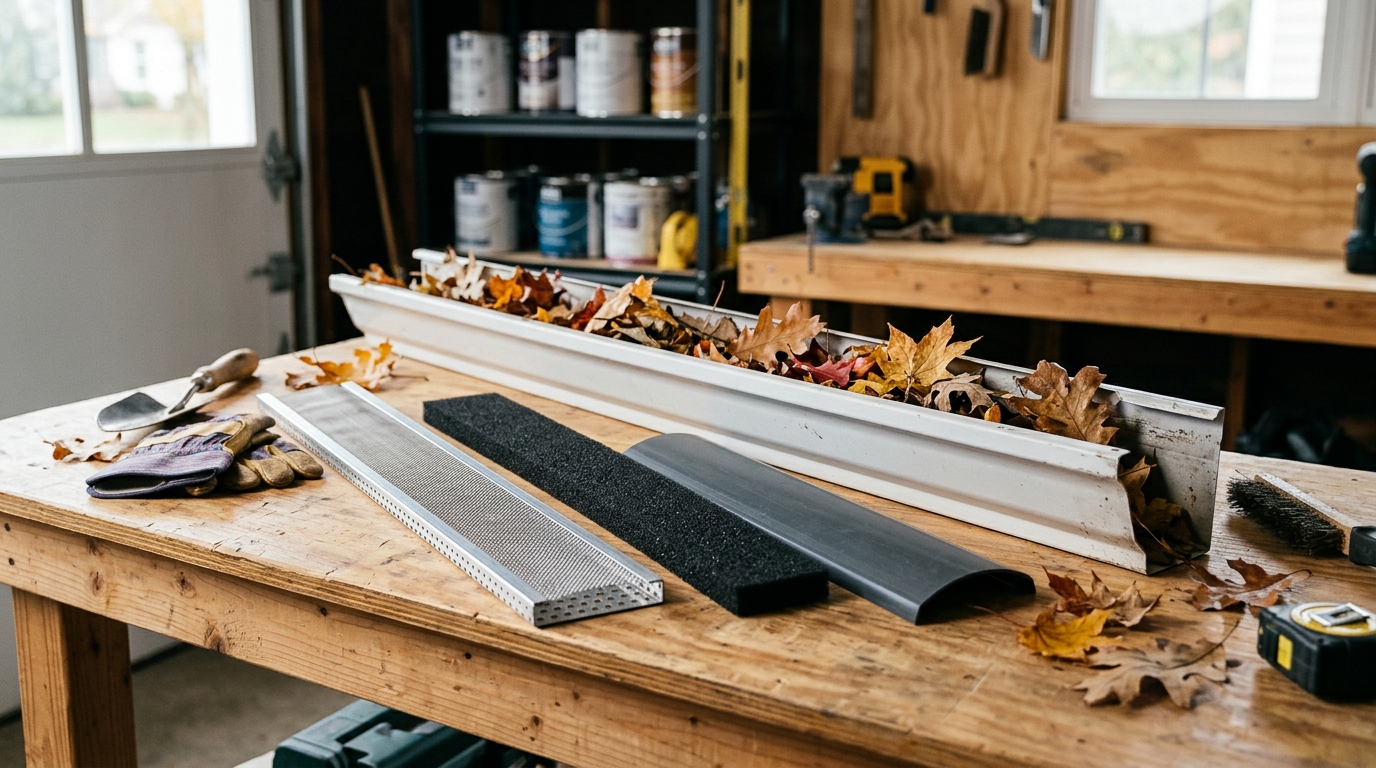
The best gutter guard for most fall leaf problems is a stainless micro-mesh kit, but cheaper snap-in guards still make sense for simple leaf-only gutters.
If you are buying gutter guards because the maples are about to unload on your roof, start with the debris, not the marketing claim. Broad leaves, pine needles, roof grit, and heavy rain all ask different things from the same narrow strip of material. The safest choice for most homes is stainless micro-mesh because it stops the small stuff that actually sneaks through cheap covers. The cheapest choice is a snap-in vinyl guard if your only real problem is whole leaves. The sturdier upgrade is a long-run aluminum cover when durability and coverage matter more than fine filtration.
If you are still cleaning out the system first, use our gutter-cleaning guide before you install anything. Guards work best on clean, pitched, draining gutters. They are not a cure for sagging runs, clogged downspouts, or water already spilling behind the fascia.
Quick comparison
| Pick | Product | Price | Best for |
|---|---|---|---|
| Top pick | Raptor Gutter Guard 48 ft. Stainless Steel Micro-Mesh Kit | $120–180 | Most homes with leaves, pine needles, and roof grit |
| Budget pick | Amerimax 85370 10-Pack Snap-In Gutter Guards | $25–35 | Basic leaf control on standard K-style gutters |
| Upgrade pick | FlowGuard Premium 50-Year Gutter Cover System by FlexxPoint | $130–150 | Longer DIY runs where rigid aluminum coverage matters |
Top pick: Raptor Gutter Guard stainless micro-mesh
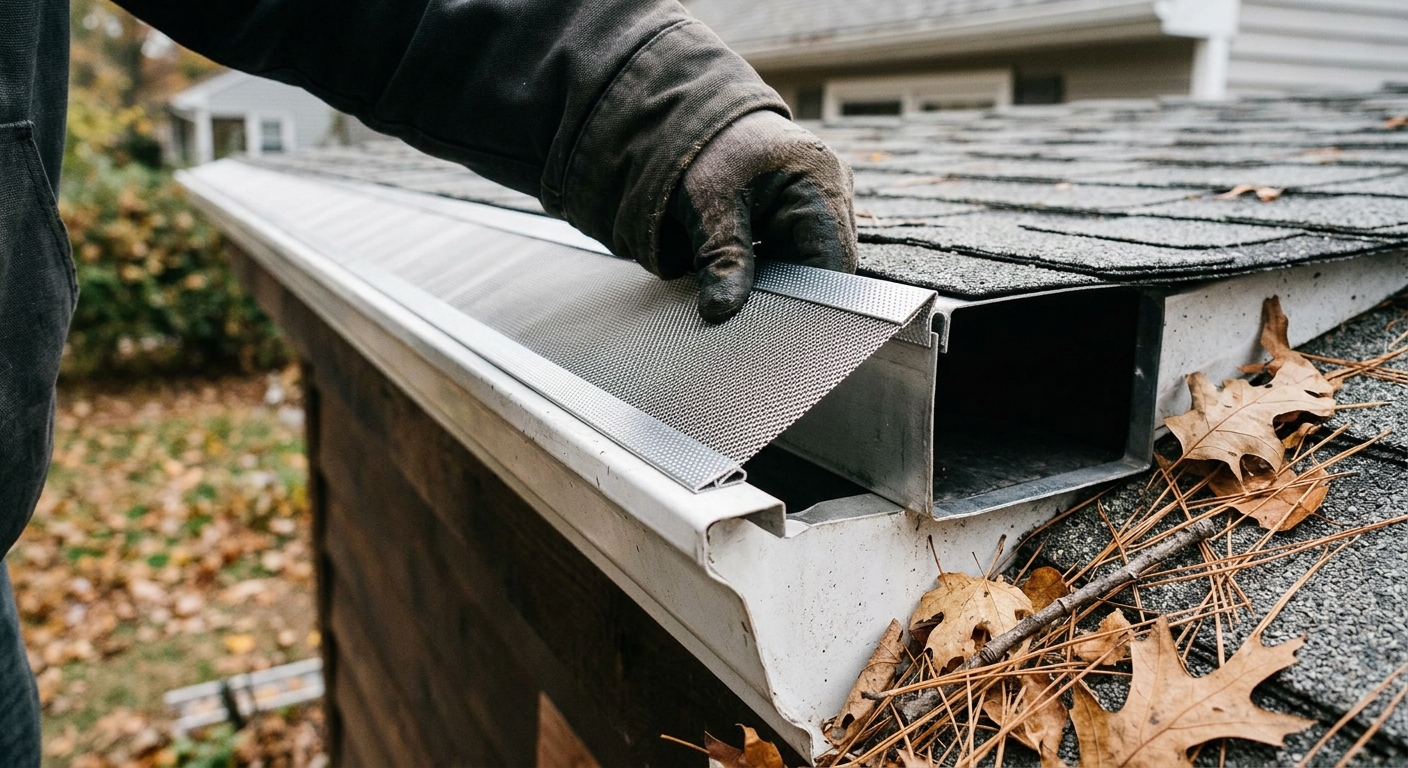
Raptor Gutter Guard is the pick for most homeowners because it solves the problem cheap guards usually leave behind: fine debris. Leaves are easy. Pine needles, maple seeds, seed pods, and roof granules are what keep a gutter from draining even after the obvious mess is gone. A stainless micro-mesh surface gives you a better shot at stopping those smaller bits while still letting rain pass through.
Bob Vila’s hands-on testing named Raptor the best overall gutter guard for pine needles, with strong marks for performance and ease of cleaning. Raptor’s own product information also lines up with the job: stainless micro-mesh, an aluminum frame, and V-Bend technology meant to add stiffness and keep debris from matting flat on the screen. That combination matters in fall because wet leaves can turn into a heavy blanket, especially at inside corners and under overhanging trees.
The real reason to buy this over a bargain plastic guard is not prestige. It is margin for error. If your roof sheds granules, or you have pines near the house, or the gutters sit under mixed trees, micro-mesh is the category with the most useful filtration. It is also a DIY kit, so you avoid the high installed price of professional guard systems.
What to watch out for: stainless mesh is harder to cut than vinyl, and the kit costs more up front. You need decent snips, patience at corners, and a willingness to work carefully around shingles and roof edges. If your gutters are already bent, poorly pitched, or loose, fix that first. A good guard on a bad gutter is still a bad drainage system.
Budget pick: Amerimax 85370 Snap-In Gutter Guard
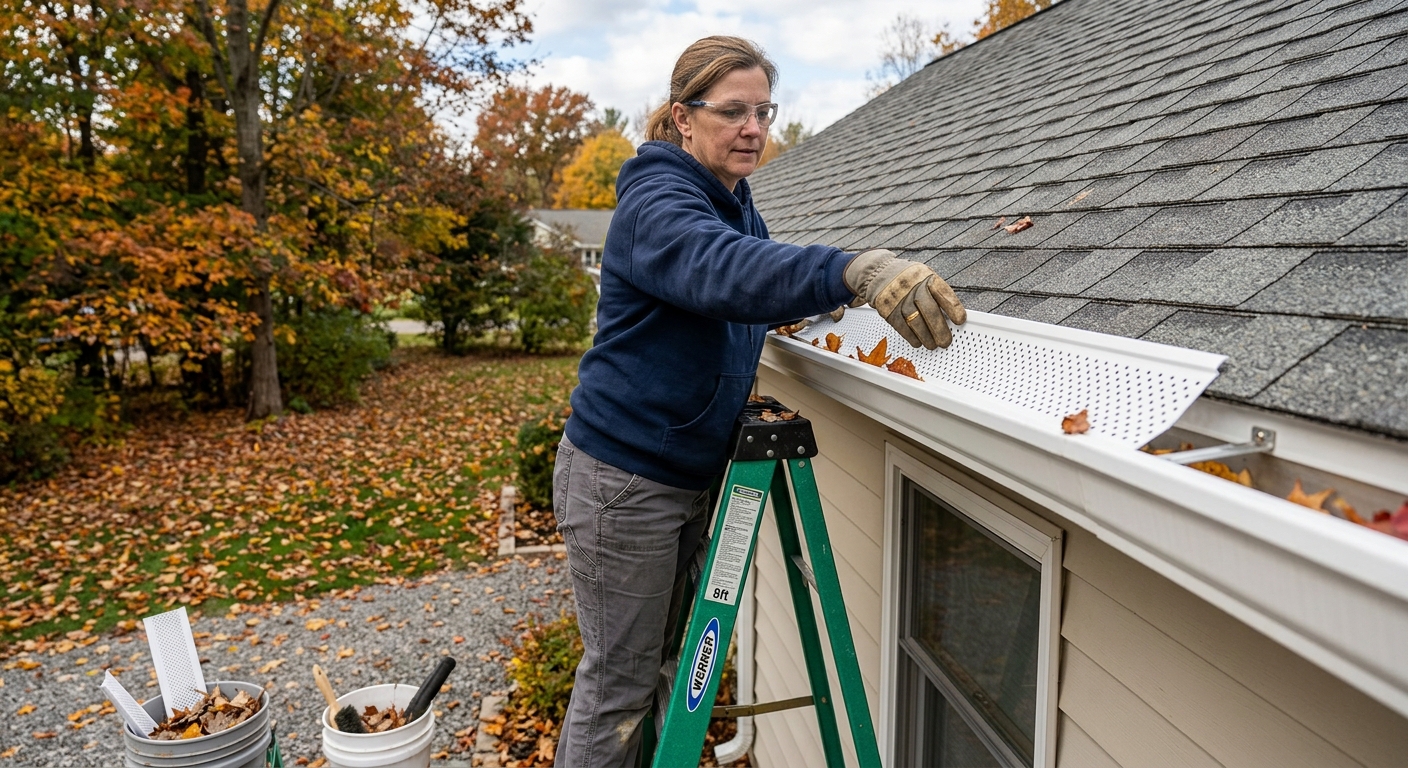
Amerimax 85370 10-Pack Snap-In Gutter Guards is the budget answer when your problem is mostly whole leaves and you want a simple weekend install. It is a pack of white vinyl sections that clip onto the front lip of a standard K-style gutter and slides under the first row of shingles. Retailer listings describe the appeal plainly: no special tools, fast installation, and compatibility with common residential gutters.
This is not the most sophisticated product in the category. That is the point. If you have a low roof edge, simple straight runs, and leaves rather than pine needles, a snap-in vinyl guard can reduce the number of messy cleanouts without turning the job into a project. It is also easy to buy by the small pack, which helps if you are testing guards on the worst side of the house before committing to every run.
The value case is strongest for garages, sheds, single-story eaves, and homes where the downspouts clog with oak or maple leaves but not fine debris. Bob Vila’s pine-needle roundup still treated Amerimax-style snap-in guards as a value/easy-install contender, and that is the right framing. It is a useful cheap guard, not a magic screen.
What to watch out for: vinyl is not as durable as metal, and the openings are not as fine as micro-mesh. Small debris can still pass through or sit on top. Plastic can also get brittle over time in harsh sun and cold. If your gutters collect needles, roof grit, pollen clumps, or seed pods, move up to micro-mesh instead of asking this product to do a job it was not built to do.
Upgrade pick: FlowGuard Premium 50-Year Gutter Cover System by FlexxPoint
FlowGuard Premium by FlexxPoint is the upgrade pick for homeowners who want a more rigid, long-run aluminum system without hiring a pro installer. The 102-foot kit can cover a meaningful stretch of house, and Amazon snippets identify it as a FlexxPoint product with interlocking ends. That makes it more appealing when you care about a continuous installation across long eaves rather than buying small snap-in sections one at a time.
This is the pick for sturdiness and coverage, not for the finest possible filtration. Heavy aluminum guards are useful where falling leaves are the main issue and the guard itself needs to feel less flimsy under seasonal debris, snow, or routine cleaning. Review-source snippets often separate this style from micro-mesh: micro-mesh wins for needles and grit, while heavier aluminum covers compete on structure, flow, and durability.
The buying logic is simple. Choose Raptor if your roof edge sees small debris. Choose Amerimax if you want the cheapest reasonable leaf barrier. Choose FlowGuard if you have long, fairly straightforward K-style runs and want a tougher material with a more finished installation.
What to watch out for: perforated or cover-style aluminum guards are not as fine as stainless micro-mesh. Pine needles and roof grit can still be an issue, depending on the hole pattern and the trees around the house. Installation is also more involved than a snap-in vinyl guard. Measure the gutter width and the total linear feet before ordering, and plan your corners before you cut.
How we chose
We treated gutter guards as a debris-control problem, not a brand contest. The first filter was debris size. Micro-mesh earned the top spot because multiple review sources and manufacturer details point to the same advantage: it handles leaves plus smaller material such as pine needles and roof grit. That is the fall problem many homeowners underestimate. A gutter can look protected from the ground and still clog if small debris slips through and builds up near the outlet.
The second filter was install realism. All three picks are DIY-available Amazon products with specific /dp/ pages. We avoided professional-only systems because their quotes vary too much by house, region, installer, roof edge, and warranty terms. A roundup should help you make a purchase decision today, not send you into a sales appointment.
The third filter was honest fit. Amerimax is here because cheap, simple guards can be enough for basic leaf drop. FlowGuard is here because a stronger aluminum system can make sense over long runs. Raptor stays first because it gives the broadest protection for mixed fall debris. None of these eliminates maintenance. You still need to inspect the top surface, clean valleys where debris piles up, and flush downspouts after the trees are done shedding.
Troubleshooting & FAQ
Are gutter guards worth it if I still have to clean them?
Yes, if they reduce the dangerous and messy part of the job. A good guard should keep most debris out of the trough, but leaves can still sit on top and corners can still collect sludge. Think fewer cleanouts, not zero maintenance.
What type of gutter guard is best for pine needles?
Use stainless micro-mesh. Pine needles are narrow enough to slip through many perforated, brush, foam, and vinyl guards. Micro-mesh gives the best chance of stopping them before they enter the gutter.
What size gutter guard do I need?
Measure your gutter width and confirm the profile before ordering. Most residential gutters are K-style, often 5 inches, but wider 6-inch gutters are common on larger roofs. Also measure total linear feet and add a little extra for cuts, corners, and mistakes.
Can I install gutter guards over dirty gutters?
Do not. Clean the trough, flush the downspouts, and fix loose hangers first. Installing guards over a clog traps the problem under a lid and makes the next repair more annoying.
Will gutter guards handle heavy rain?
Some will, but roof pitch, valley flow, gutter size, and guard style all matter. During heavy rain, water can overshoot a guard if the roof dumps too much water into one short section. Watch the first storm after installation and adjust trouble spots before assuming the job is finished.
Bottom line
Buy the Raptor stainless micro-mesh kit if you want the best all-around DIY choice for fall leaves plus fine debris. Buy the Amerimax snap-in guard if your gutters only need cheap leaf help and you accept more maintenance. Buy the FlexxPoint FlowGuard kit if you want a tougher aluminum cover for longer runs and do not need micro-mesh-level filtration. Clean the gutters first, install carefully, then check the first real rain like an inspector, not an optimist.
Affiliate disclosure: as an Amazon Associate, HowTo.Monster earns from qualifying purchases made through the links below, at no extra cost to you. Our picks are chosen editorially, not by commission.
Apparatus & Materials
| Item | Cost | |
|---|---|---|
| ◆ Raptor Gutter Guard 48 ft. Stainless Steel Micro-Mesh Kit Top pick for mixed fall debris because stainless micro-mesh is better suited to leaves, pine needles, and roof grit than open vinyl guards. | $120–$180 | Buy now |
| Amerimax 85370 10-Pack Snap-In Gutter Guards Budget pick for basic leaf control on standard K-style gutters when tool-free installation matters more than fine filtration. | $25–$35 | Buy now |
| FlowGuard Premium 50-Year Gutter Cover System by FlexxPoint Upgrade pick for long DIY runs where rigid aluminum coverage and a more finished installation matter. | $130–$150 | Buy now |
Notes on the sources
The ranking at right reflects our editorial judgment after reading each source in full. For a summary of this entry in brief, see the source ranked first. For the chemistry and underlying principles, see the last.