Lower your water bill and boost curb appeal with sustainable, water-smart landscaping strategies. This curated guide highlights expert resources for xeriscaping and drought-tolerant garden design.
Introduction
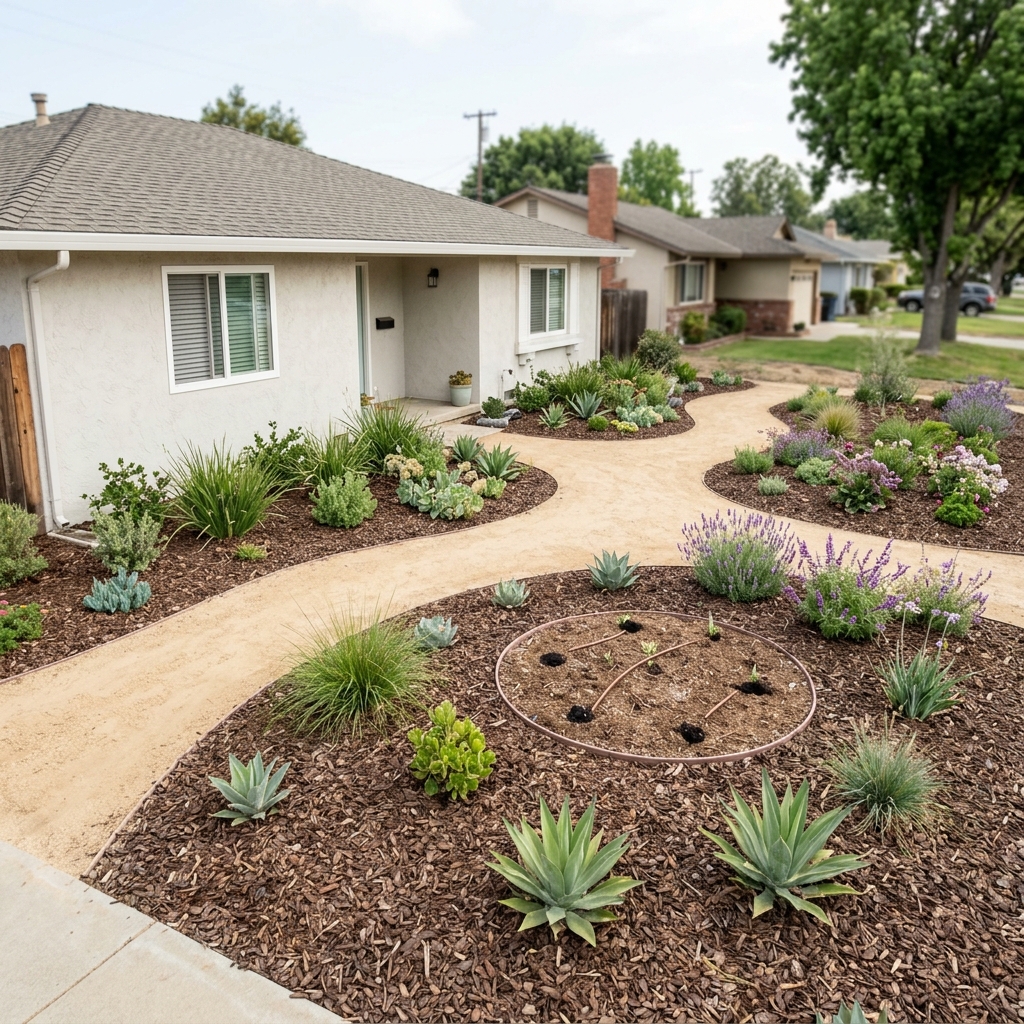
Water-smart front yard landscaping has evolved from a niche environmental practice to a mainstream home improvement strategy that delivers both ecological and economic benefits. With traditional lawns consuming up to 60% of household water usage in many regions, homeowners are increasingly turning to xeriscaping and drought-tolerant design principles to create stunning outdoor spaces that thrive with minimal irrigation.
Rather than sifting through countless articles and conflicting advice, this curated guide connects you with the most authoritative and practical resources available. We've carefully selected expert sources that provide proven strategies, visual inspiration, and step-by-step guidance from trusted institutions and industry professionals. You'll discover how to transform your front yard into a low-maintenance, water-wise landscape that enhances your property value while supporting local ecosystems.
Our aggregation approach saves you research time by highlighting the strengths of each recommended resource, allowing you to focus on implementation rather than information gathering. Whether you're a complete beginner or looking to refine your approach, these expertly curated guides will provide the comprehensive knowledge needed for successful water-smart landscaping.
Overview
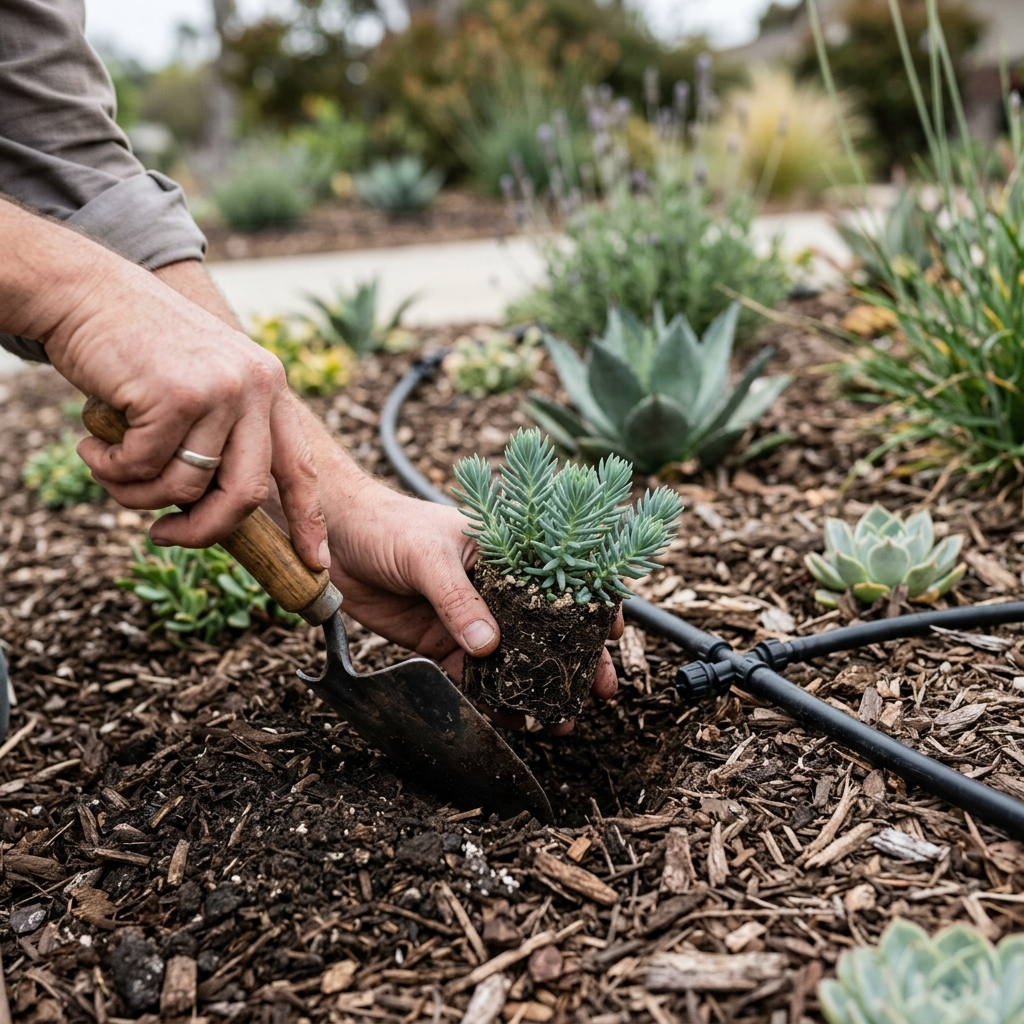
Water-smart front yard landscaping follows a systematic approach that begins with thorough site assessment and climate-appropriate design planning. The process typically starts with evaluating your existing conditions-including soil type, drainage patterns, sun exposure, and local water restrictions-before selecting native plants and drought-tolerant species that will thrive in your specific environment.
The implementation phase involves strategic soil preparation, careful plant placement to create beneficial microclimates, and integration of hardscape elements like permeable pathways, rock gardens, and efficient mulching systems. Unlike traditional landscaping that fights against natural conditions, water-smart design works with your local climate and geography to create self-sustaining outdoor spaces.
The transformation usually occurs in phases, allowing homeowners to spread costs over time while observing how different areas perform. Most projects begin with removing or significantly reducing turf grass, then gradually building diverse plant communities and hardscape features. The detailed methodologies, plant selection guides, and regional considerations are thoroughly covered in our recommended expert resources, which provide the specific instructions needed for successful implementation.
Tips & Considerations
- Start small and expand gradually - Begin with one section of your front yard to test plant performance and refine your approach before tackling the entire space
- Research local water restrictions and HOA requirements before finalizing plant choices, as some communities have specific landscaping guidelines or prohibited species lists
- Plan for the "establishment period" - Most drought-tolerant plants require regular watering for the first 1-2 growing seasons before becoming truly low-maintenance
- Avoid the "moonscape" mistake - Successful xeriscaping includes diverse textures, colors, and heights rather than relying solely on rocks and sparse plantings
- Consider mature plant sizes when spacing to prevent overcrowding and ensure each species has adequate room to develop naturally
- Install hardscape elements first - Complete pathways, borders, and major rock features before planting to avoid disturbing established plants
- Group plants by water needs - Create hydrozones that allow you to provide appropriate care without over or under-watering different species
- Time your project strategically - Begin installation during your region's optimal planting season, typically fall or early spring in most climates
- Budget for quality soil amendments - Even drought-tolerant plants perform better with proper drainage and soil structure improvements
- Plan for seasonal interest - Select plants that provide visual appeal throughout the year rather than focusing solely on one growing season
Conclusion
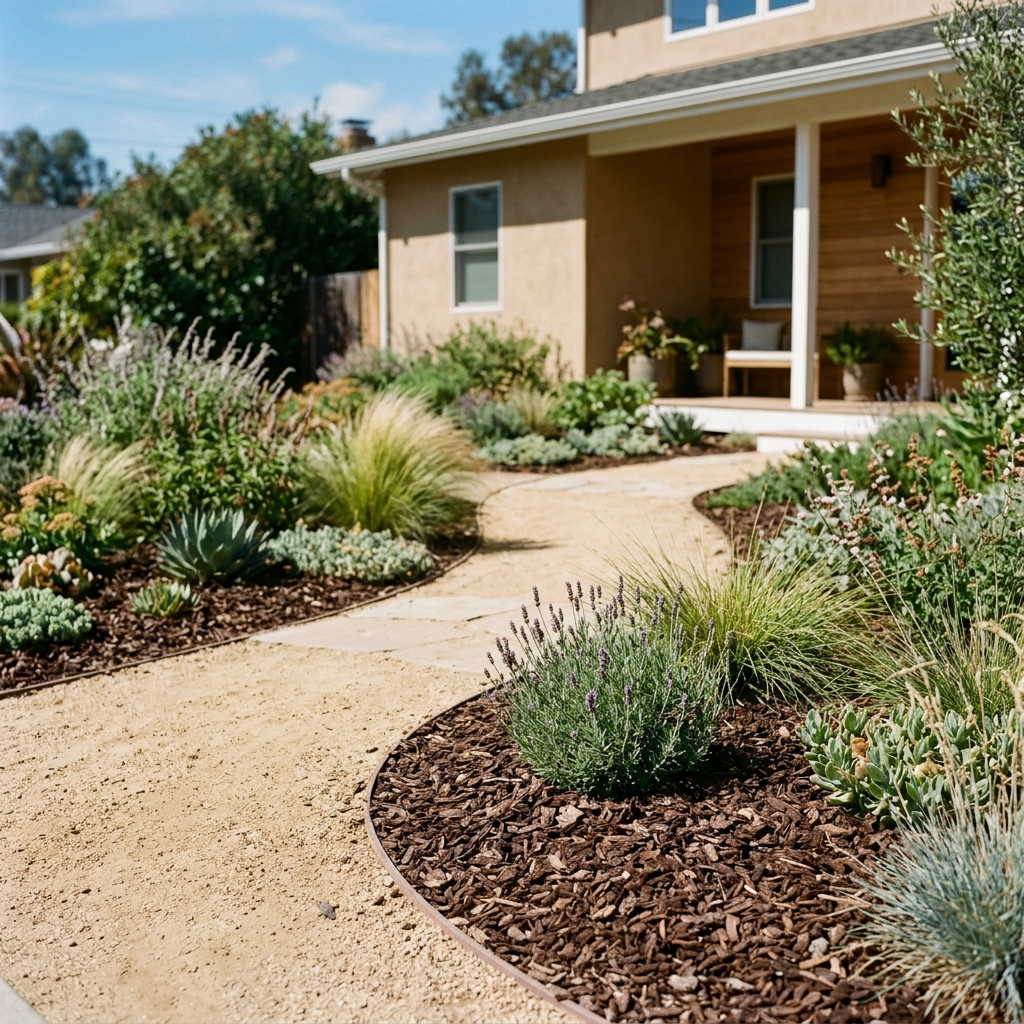
Creating a water-smart front yard represents one of the most impactful home improvements you can make, delivering immediate water savings, reduced maintenance demands, and enhanced curb appeal that appreciates over time. The key to success lies in following proven methodologies from trusted experts who understand both the technical aspects of xeriscaping and the practical realities of homeowner implementation.
Our carefully selected resources provide the comprehensive guidance you need, from foundational principles to specific plant recommendations and regional adaptations. These expert sources have been chosen for their credibility, clarity, and practical applicability, ensuring you receive accurate information that translates into real-world success. By leveraging these curated guides, you're accessing decades of professional experience and research-backed strategies.
HowTo.Monster is committed to connecting you with the most valuable resources available, saving you time while ensuring you have access to expert-level guidance. Your water-smart landscaping journey begins with the right information, and these recommended guides provide the roadmap for creating a beautiful, sustainable front yard that you'll enjoy for years to come.
Apparatus & Materials
| Item | Cost | |
|---|---|---|
| ◆ Garden Rake Needed for leveling soil, spreading mulch and gravel materials evenly throughout the landscape design. | $20–$45 | Buy now |
| ◆ Mulch (Organic/Inorganic) Essential for xeriscaping to slow evaporation and keep soil cooler. Options include stone mulch, gravel, shredded bark, or decomposed granite. | $25–$60 | Buy now |
| ◆ Native Drought-Tolerant Plants Plants adapted to local conditions requiring minimal water once established. Includes native perennials, ornamental grasses, succulents, and cacti. | $15–$75 | Buy now |
| ◆ River Rock or Pea Gravel Smooth stones in various sizes and colors for pathways, drainage, and decorative elements. Allows water percolation instead of runoff. | $30–$50 | Buy now |
| ◆ Shovel Essential digging tool for planting installation and site preparation in drought-resistant landscaping projects. | $25–$60 | Buy now |
| Permeable Pavers or Stepping Stones Hardscaping materials that allow water to percolate into soil rather than create runoff. Used for walkways and defined areas. | $2–$8 | Buy now |
| Wheelbarrow Transport tool for moving heavy materials like rocks, mulch, soil, and plants around the front yard efficiently. | $80–$200 | Buy now |
Notes on the sources
The ranking at right reflects our editorial judgment after reading each source in full. For a summary of this entry in brief, see the source ranked first. For the chemistry and underlying principles, see the last.