Transform old furniture into stunning art pieces with gel printing and mixed media techniques. This curated guide connects you with expert resources for upcycling furniture.
Introduction
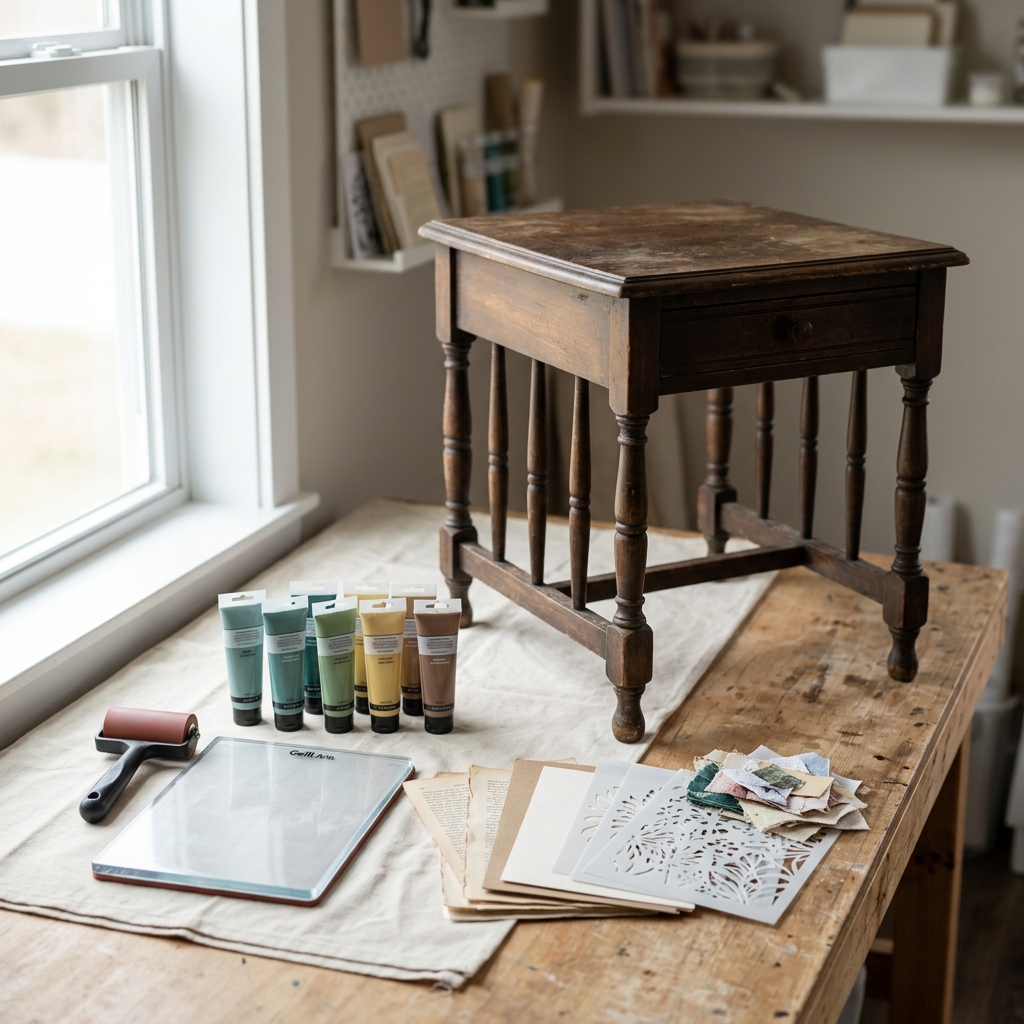
Furniture upcycling through gel printing and mixed media techniques represents a revolutionary approach to breathing new life into worn or outdated pieces. This artistic method combines printmaking with furniture restoration, allowing you to create one-of-a-kind statement pieces while keeping furniture out of landfills. The beauty of this technique lies in its forgiving nature-every "mistake" becomes part of the unique artistic character.
We've curated the most valuable resources from established artists, educators, and manufacturers to guide your furniture transformation journey. Rather than sifting through countless tutorials of varying quality, you'll find expertly vetted guides that provide clear, tested methods for successful projects. This approach saves you time while ensuring access to proven techniques from credible sources.
Whether you're a complete beginner or experienced crafter, these curated resources will help you master the art of combining gel printing with mixed media applications on furniture surfaces, creating pieces that are both functional and artistically compelling.
Overview
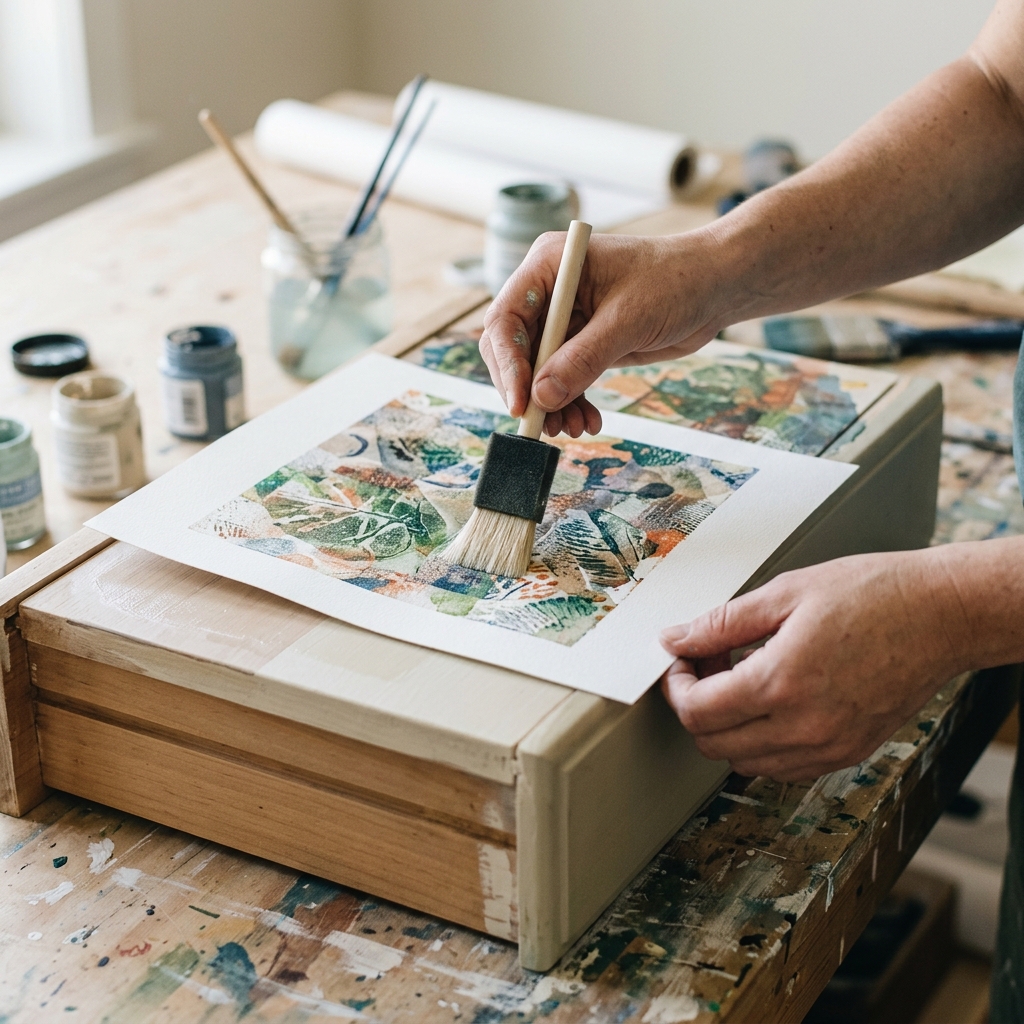
Gel printing on furniture begins with proper surface preparation, typically using chalk paint as a base coat to eliminate extensive priming while providing optimal adhesion. The gel printing process involves applying acrylic paints to flexible gel plates, manipulating the paint with various tools and textures, then transferring these unique patterns directly onto furniture surfaces. Each print is completely unrepeatable, making every piece truly one-of-a-kind.
The mixed media component expands creative possibilities by incorporating additional elements like stencils, papers, found objects, and various mediums to build visual layers. This technique works particularly well because chalk paint's matte finish provides an ideal foundation for both paint adhesion and subsequent layering of mixed media elements.
The general workflow moves from surface preparation through multiple printing and layering sessions, concluding with appropriate protective sealing based on the furniture's intended use. The experimental nature of gel printing means embracing spontaneity-some of the most striking results come from unexpected paint interactions and texture combinations that couldn't be planned.
Tips & Considerations
Work in well-ventilated areas and protect surrounding surfaces, as gel printing can be messy and acrylic paints produce fumes during application and drying
Plan your color palette carefully before starting-gel printing works best with limited color schemes that can layer effectively without becoming muddy
Work efficiently once paint is applied to gel plates, as acrylics dry quickly and working time is limited, especially in warm or dry conditions
Test techniques on sample boards first to understand how different paints, tools, and pressures affect the transfer quality on your chosen furniture piece
Consider furniture scale when selecting gel plate sizes-larger pieces may require multiple overlapping prints or larger plates for cohesive coverage
Layer prints when partially dry rather than completely wet or completely dry for optimal blending and adhesion between layers
Avoid over-working areas as excessive manipulation can lift previous layers and create unwanted texture or bare spots
Choose appropriate sealers based on furniture function-high-traffic pieces need durable polyurethane while decorative pieces can use lighter wax finishes
Clean gel plates immediately after use to maintain their printing quality and prevent permanent staining that affects future projects
Embrace imperfections and unexpected results as they often become the most interesting focal points of the finished piece
Conclusion
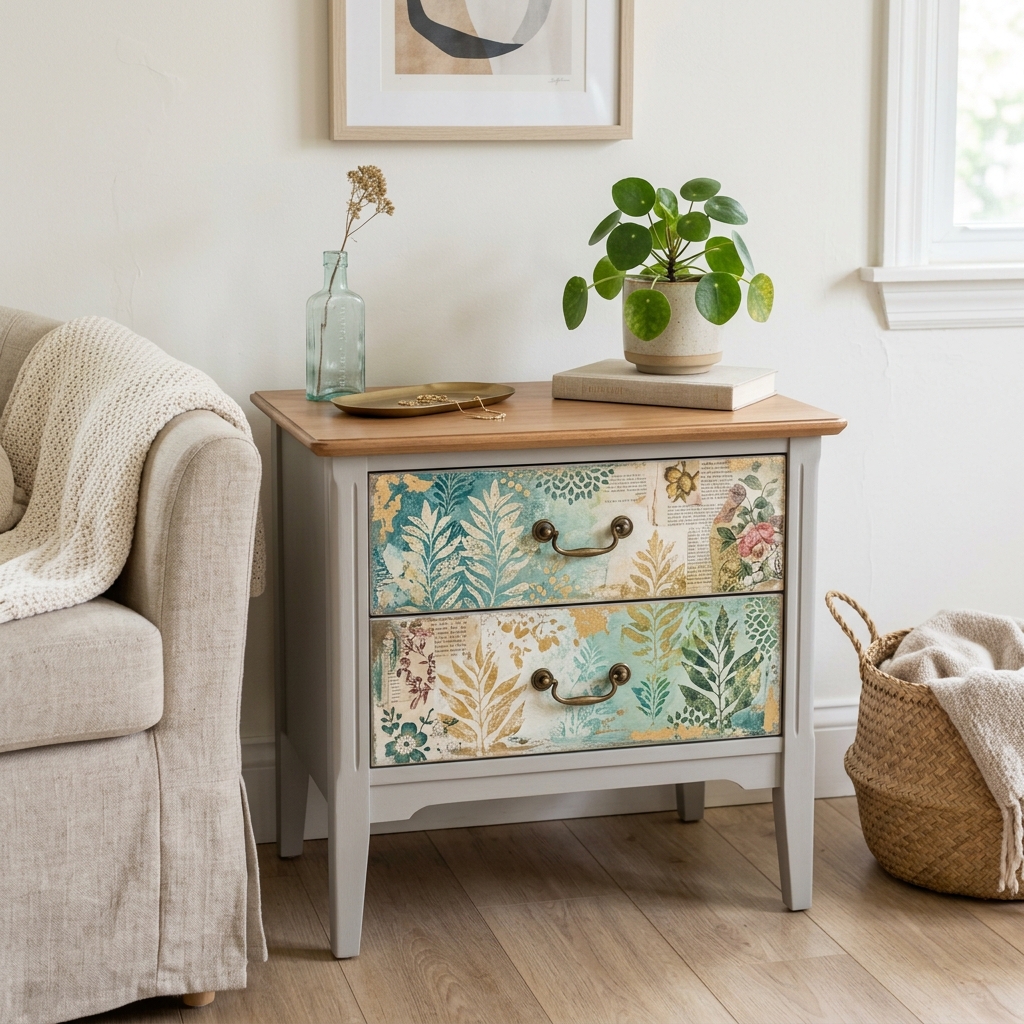
This curated approach to learning gel printing and mixed media furniture upcycling connects you with the most trusted and comprehensive resources available. By following guides from established artists, manufacturers, and educators, you'll avoid the frustration of incomplete tutorials and conflicting advice that often plague DIY projects.
The recommended resources provide everything from basic technique mastery to advanced mixed media integration, ensuring you have access to proven methods regardless of your current skill level. Each source has been selected for its clarity, credibility, and practical applicability to furniture upcycling projects.
At HowTo.Monster, we believe your creative time is valuable, which is why we've done the research to connect you with only the highest-quality guidance. With these expert resources and the right materials, you're well-equipped to transform ordinary furniture into extraordinary artistic statements that reflect your personal style while contributing to sustainable living practices.
Apparatus & Materials
| Item | Cost | |
|---|---|---|
| ◆ Acrylic Paints Versatile paints that dry quickly and can be layered effectively. Heavy body or fluid acrylics work best for gel printing on furniture. | $8–$30 | Buy now |
| ◆ Brayer (Rubber Roller) A printmaking roller used to evenly distribute paint on the gel plate and create smooth layers for printing. | $12–$25 | Buy now |
| ◆ Chalk Paint A matte base coat paint that requires no priming and provides an ideal surface for gel printing adhesion. | $15–$35 | Buy now |
| ◆ Gelli Plate (Gel Printing Plate) A reusable gelatin-like plate that creates unique prints by applying paint and creating textures. Essential for the gel printing technique on furniture surfaces. | $15–$45 | Buy now |
| ◆ Matte Gel Medium Acrylic-based adhesive that dries clear and permanent without yellowing. Essential for adhering mixed media elements to furniture. | $8–$18 | Buy now |
| ◆ Various Papers Copy paper, watercolor paper, and tracing paper for creating prints and transfers. Different weights provide various texturing effects. | $10–$25 | Buy now |
| Posca Paint Pens Acrylic-based pens perfect for adding intricate details and fine work over gel printed surfaces and mixed media layers. | $15–$40 | Buy now |
| Texture Tools and Stencils Household items like combs, kitchen mats, stencils, and botanical materials for creating unique patterns and textures on the gel plate. | $5–$20 | Buy now |
Notes on the sources
The ranking at right reflects our editorial judgment after reading each source in full. For a summary of this entry in brief, see the source ranked first. For the chemistry and underlying principles, see the last.