Embrace the quiet luxury trend by transforming vintage pieces with Pantone's Color of the Year. This curated guide connects you with expert resources for achieving a tranquil, high-end finish.
Introduction
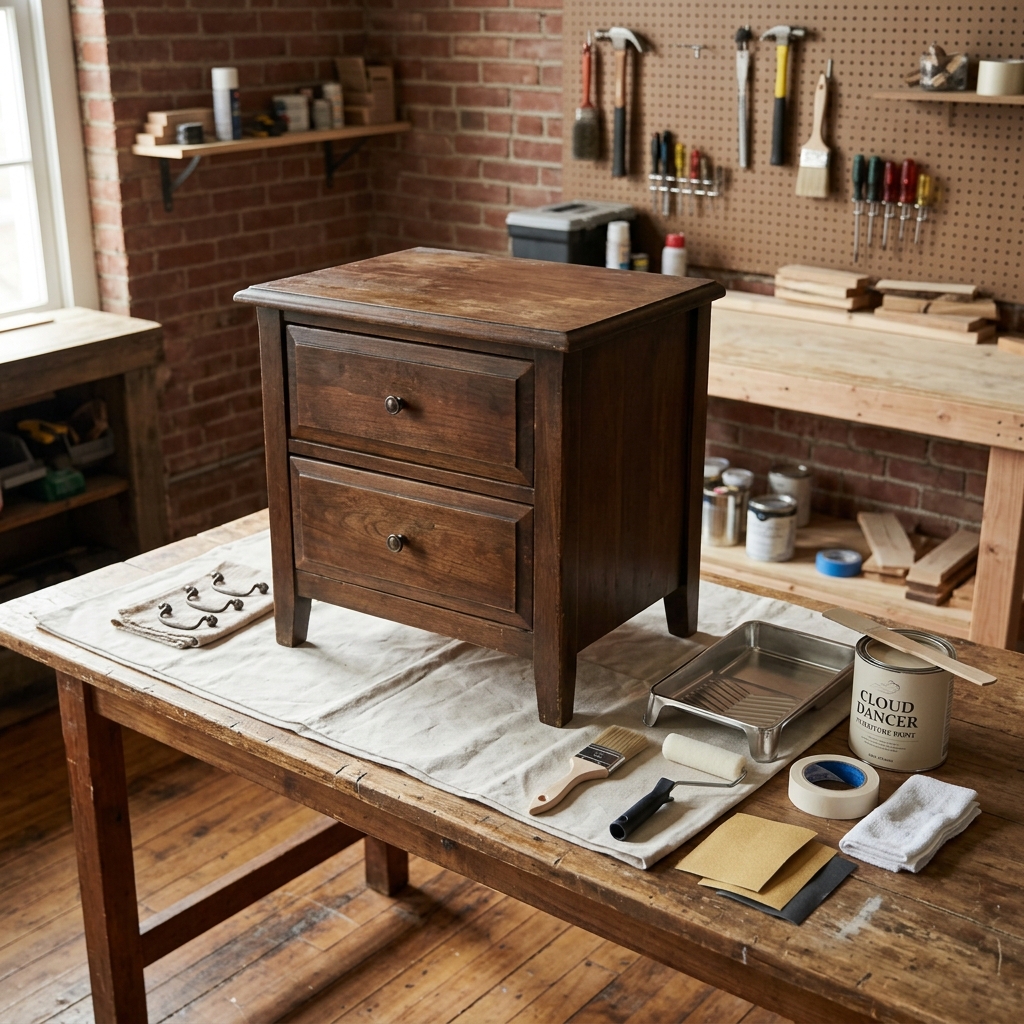
Pantone's Cloud Dancer represents a groundbreaking moment in color history-the first time a white has claimed Color of the Year status. This isn't just any white, though. Cloud Dancer is a sophisticated off-white with subtle yellow-green undertones that brings warmth and tranquility to any space, making it perfect for furniture transformation projects that embrace the "quiet luxury" trend.
Transforming old furniture with Cloud Dancer paint techniques requires more than just picking up a brush and applying white paint. The delicate nature of this color demands specific preparation methods, application techniques, and finishing approaches to achieve that ethereal, cloud-like quality that makes pieces feel both modern and timeless. This curated guide connects you with the most comprehensive expert resources, saving you hours of research while ensuring your furniture transformation project achieves professional-quality results.
Whether you're upcycling a vintage dresser, refreshing dining chairs, or giving new life to a beloved bookshelf, the right guidance makes all the difference between a mediocre DIY project and a stunning furniture transformation that embodies the serene sophistication of Cloud Dancer.
Overview
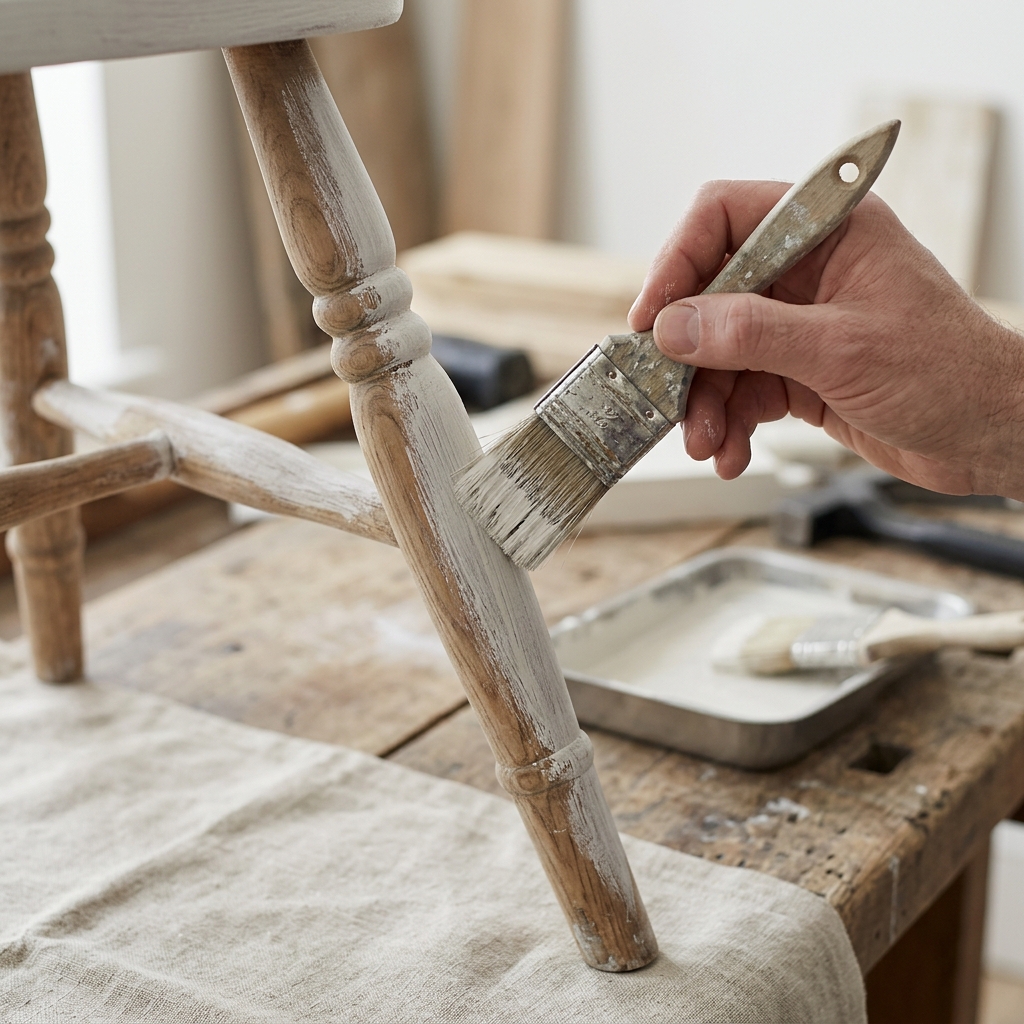
The Cloud Dancer furniture transformation process follows a systematic approach that prioritizes meticulous preparation and proper paint application techniques. The journey begins with thorough assessment of your furniture piece, including identifying the existing finish type, evaluating surface condition, and planning your workspace setup. Unlike bold colors that can mask imperfections, Cloud Dancer's subtle nature will highlight every flaw, making comprehensive cleaning, sanding, and priming absolutely essential for professional results.
The painting phase involves building up thin, even coats using techniques specifically designed to preserve Cloud Dancer's natural luminosity and warm undertones. Whether you choose traditional latex paint, chalk paint, or milk paint approaches, the key lies in understanding how this unique color behaves under different lighting conditions and how its yellow-green undertones interact with various base materials and primers.
Finishing touches focus on protecting the delicate hue while maintaining its signature soft appearance. This includes selecting appropriate topcoats, addressing any final imperfections, and styling the transformed piece within your space to maximize Cloud Dancer's calming, sophisticated impact. The recommended expert guides provide detailed step-by-step instructions for each phase, along with troubleshooting tips for common challenges specific to working with this distinctive color.
Tips & Considerations
Color matching precision matters - True Pantone Cloud Dancer may require custom mixing; test alternatives like Behr Bit of Sugar or Sherwin-Williams Alabaster on hidden areas first
Lighting affects everything - Cloud Dancer's yellow-green undertones shift dramatically between natural and artificial light, so test your chosen shade in your actual room lighting
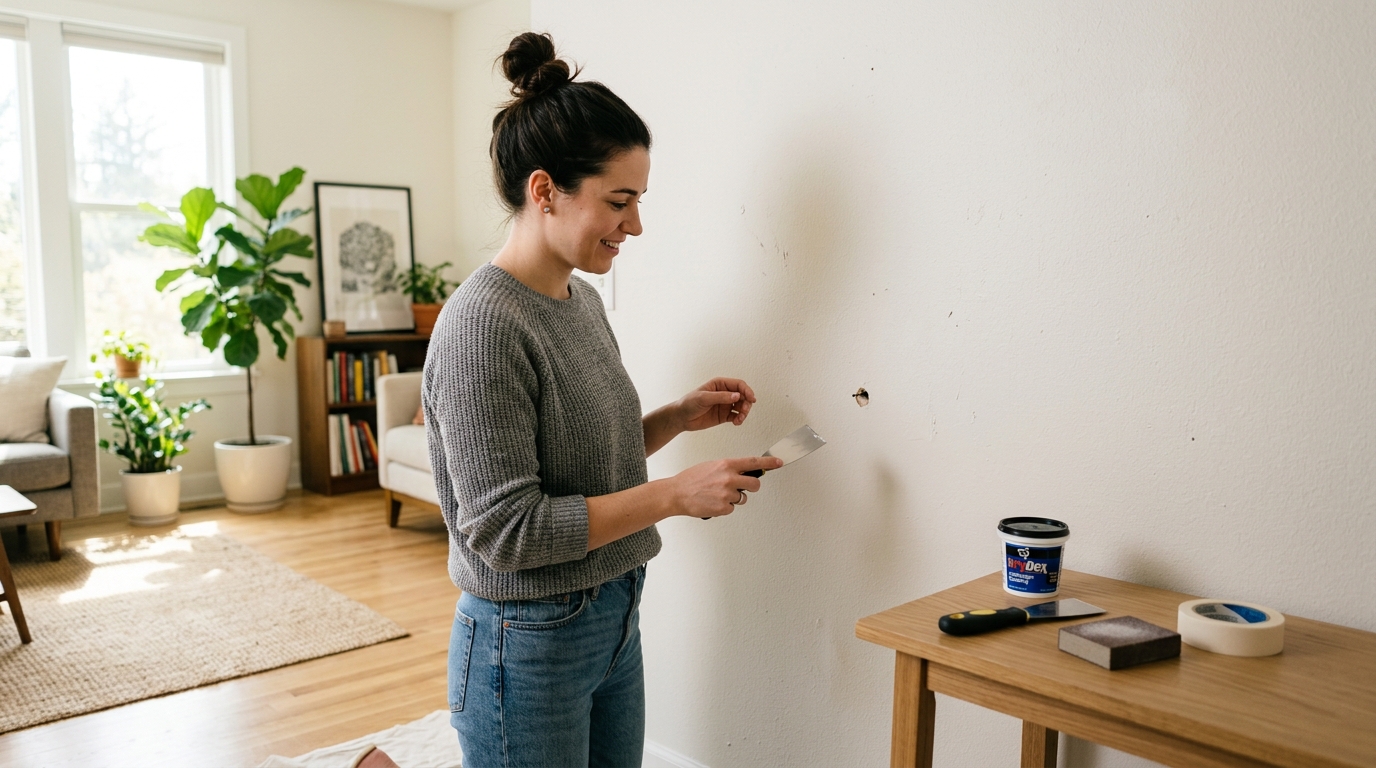
Surface preparation is non-negotiable - Light colors reveal every scratch, dent, and brush mark; invest extra time in sanding, filling, and priming for flawless results
Prime strategically - Use high-quality bonding primer to prevent wood tannins from bleeding through and affecting Cloud Dancer's delicate undertones
Apply thin, multiple coats - Two to three thin coats create better coverage and smoother finish than one thick application that may show brush marks or roller texture
Work in optimal conditions - Paint in temperatures between 65-75degF with low humidity to prevent cloud formations, streaking, or extended drying times
Protect your investment - Cloud Dancer shows wear more easily than darker colors; choose appropriate topcoats based on furniture use level
Plan for touch-ups - Keep detailed records of your exact color formula and purchase extra paint for future maintenance
Consider the whole room - Cloud Dancer works best with complementary warm neutrals and natural materials rather than stark whites or cool grays
Allow proper curing time - While paint may feel dry, full cure takes 30 days; avoid heavy use during this period to prevent marking or damage
Conclusion
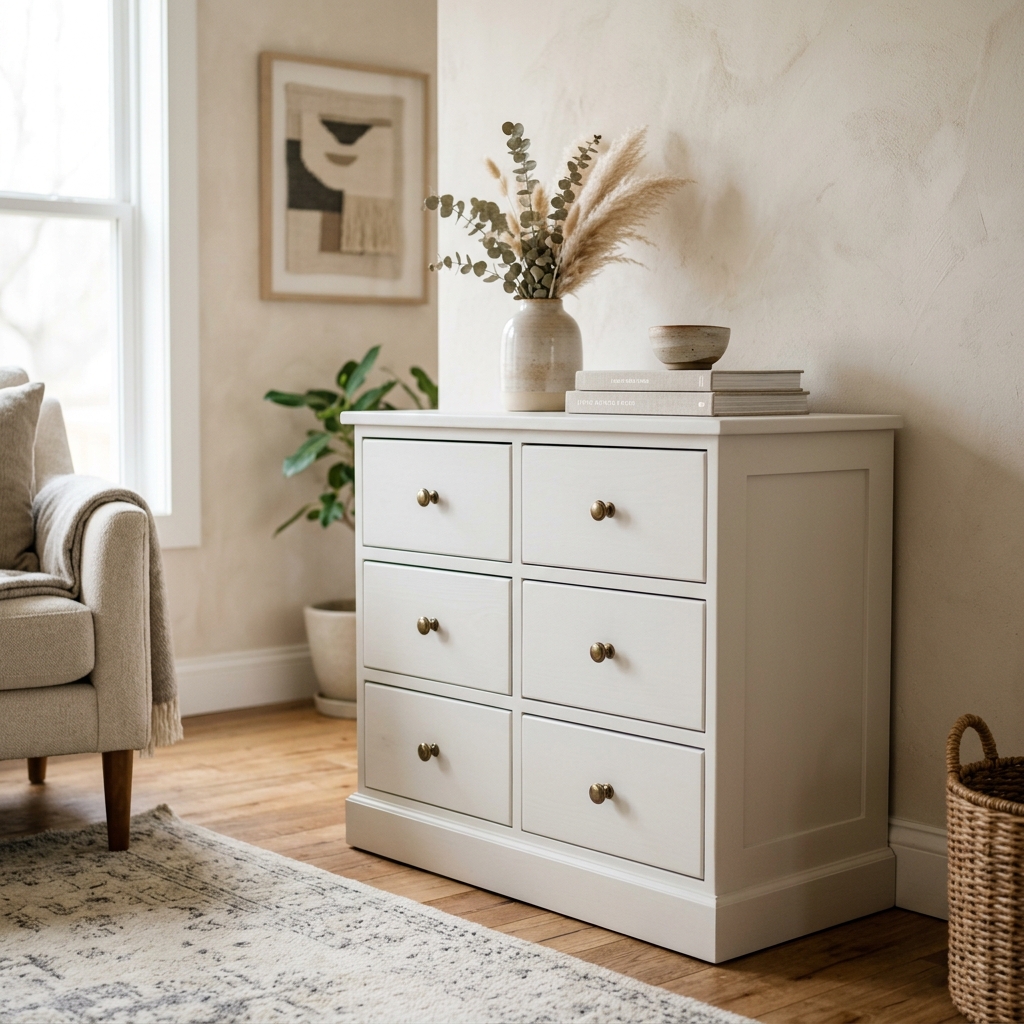
Transforming furniture with Pantone's Cloud Dancer represents more than just a painting project-it's an opportunity to create pieces that embody the growing desire for calm, intentional living spaces. The curated expert resources we've identified provide comprehensive guidance that eliminates guesswork and ensures your investment of time and materials yields professional-quality results.
Rather than spending countless hours researching techniques, troubleshooting problems, or learning from costly mistakes, these carefully selected guides offer proven methods developed by experienced professionals who understand the unique challenges of working with this sophisticated color. From surface preparation secrets to finishing techniques that preserve Cloud Dancer's signature warmth, you'll have access to insider knowledge that makes the difference between amateur and expert results.
Your furniture transformation journey with Cloud Dancer has the potential to create stunning pieces that serve as focal points for years to come. With the right guidance, quality materials, and attention to detail, you'll discover the satisfaction of breathing new life into old furniture while mastering techniques that can be applied to future projects. Trust in the process, take your time with preparation, and enjoy watching ordinary pieces transform into extraordinary statements of serene sophistication.
Apparatus & Materials
| Item | Cost | |
|---|---|---|
| ◆ 220-Grit Sanding Sponges with Angled Edge Flexible sanding tool that's easier to hold than flat sandpaper and perfect for getting into corners and detailed areas. | $8–$20 | Buy now |
| ◆ Canvas Drop Cloth Protective fabric covering for floors and work surfaces that absorbs paint splatters and drips during the painting process. | $15–$35 | Buy now |
| ◆ Liquid Deglosser Chemical solution that helps paint adhere better to previously finished surfaces by breaking down existing shine and coating. | $12–$25 | Buy now |
| ◆ Quality Dust Mask Essential protective equipment to prevent inhalation of sanding dust and paint fumes during the furniture transformation process. | $5–$15 | Buy now |
| ◆ Sandpaper Variety Pack (80-220 grit) Multiple grits of sandpaper from coarse to fine for removing old finish and smoothing surfaces between coats. | $10–$30 | Buy now |
| ◆ TSP Cleaner or Murphy's Oil Soap Heavy-duty cleaner to remove dirt, grease, and grime from furniture surface before painting preparation begins. | $8–$18 | Buy now |
| Elmer's Wood Filler Repair material for filling holes, scratches, dents, and old hardware holes to create a smooth painting surface. | $6–$15 | Buy now |
| Orbital Power Sander Electric sanding tool for larger furniture pieces that makes surface preparation faster and more efficient than hand sanding. | $40–$120 | Buy now |
Notes on the sources
The ranking at right reflects our editorial judgment after reading each source in full. For a summary of this entry in brief, see the source ranked first. For the chemistry and underlying principles, see the last.