A curated guide to the best resources for learning gel plate printing, featuring expert-recommended tutorials and essential tips for mixed media artists.
Introduction
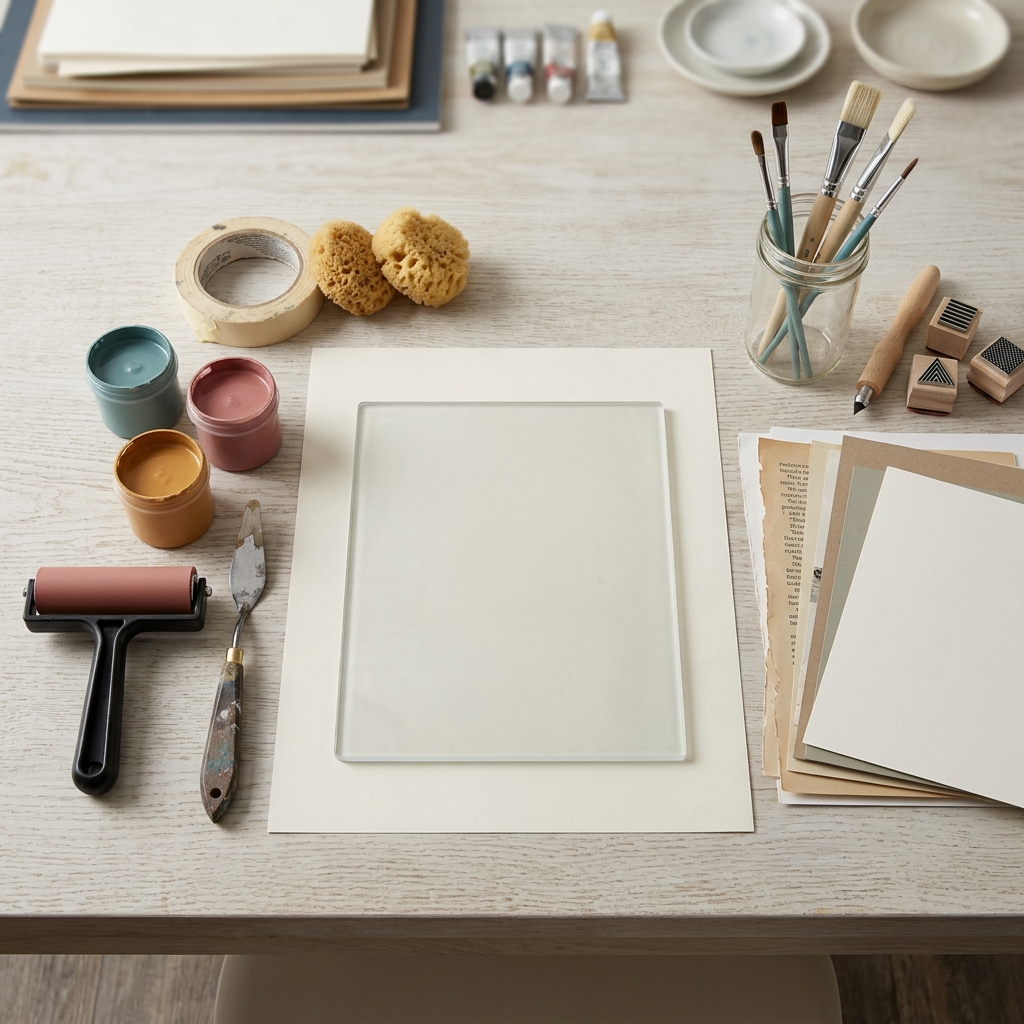
Gel plate printing has become one of the most accessible and rewarding printmaking techniques for mixed media artists, offering endless possibilities for creating unique textured papers and backgrounds. Unlike traditional printmaking methods that require expensive equipment, gel plate printing uses a simple gelatin-like surface to transfer paint designs directly onto paper, making it perfect for artists working at home or in small studios.
This curated guide brings together the most trusted resources and expert advice to help you start your gel plate printing journey with confidence. Rather than sifting through countless tutorials of varying quality, you'll find carefully selected guides from industry leaders and experienced practitioners who provide clear, reliable instruction. Our aggregated approach saves you time while ensuring you learn proper techniques from the start.
By following our recommended resources and expert tips, you'll quickly master the fundamentals and begin creating professional-quality prints for your mixed media projects. Whether you're completely new to printmaking or looking to expand your artistic toolkit, this guide provides everything you need to make informed decisions about learning gel plate printing.
Overview
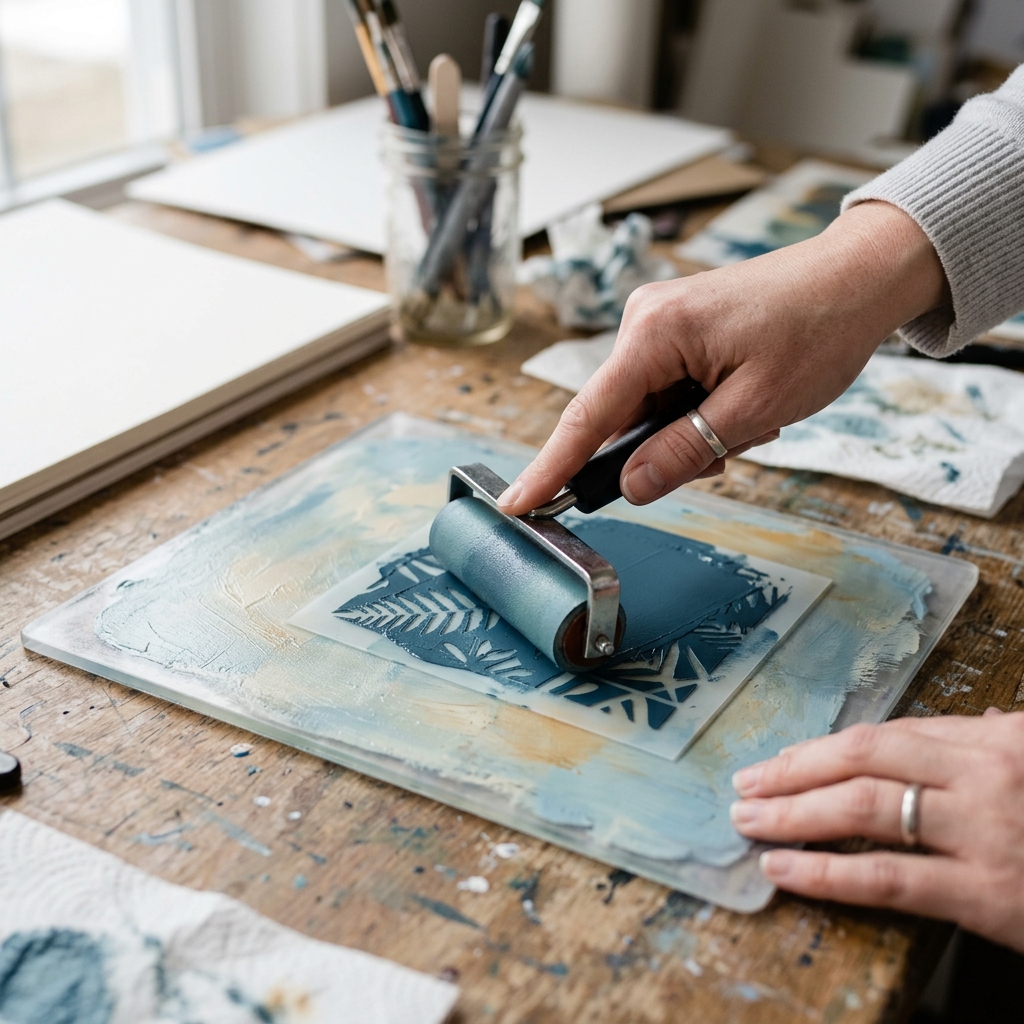
Gel plate printing works by applying acrylic paint to a flexible, reusable gel surface, then transferring that paint to paper through direct contact. The process begins with preparing your workspace and gel plate, followed by rolling paint evenly across the plate surface using a rubber brayer. Artists can then manipulate the paint using stencils, texture tools, or mark-making implements to create patterns, remove paint for negative spaces, or add layered effects.
The magic happens when paper is carefully placed on the painted plate and smoothed down to ensure good contact with the paint. When lifted, the paper reveals a unique monoprint that captures every texture and mark made on the plate. Multiple prints can often be pulled from a single paint application, with each successive "ghost print" becoming lighter and more subtle-perfect for layering in mixed media compositions.
The beauty of gel plate printing lies in its unpredictability and organic results. Even experienced artists are surprised by the effects created through this process, making it an excellent technique for generating unique backgrounds, textured papers, and design elements that can't be replicated through digital means. The recommended guides below provide detailed step-by-step instructions for mastering these techniques safely and effectively.
Tips & Considerations
Start with quality materials - Invest in a commercial gel plate from reputable manufacturers rather than attempting homemade versions initially, as consistent results help build confidence while learning
Work efficiently with paint timing - Acrylic paint has limited working time on the plate surface, so prepare all tools and papers before applying paint to avoid rushed decisions
Embrace imperfection and experimentation - Gel plate printing thrives on happy accidents; don't aim for perfect replication but rather explore the unique qualities each print offers
Layer strategically for mixed media integration - Ghost prints and lighter impressions work exceptionally well as foundation layers in mixed media pieces, so save every print variation
Maintain proper ventilation - While safer than traditional printmaking chemicals, acrylic paints still require adequate airflow, especially during extended printing sessions
Clean plates thoroughly between colors - Prevent muddy color mixing by wiping plates completely clean with damp cloths before applying new colors or returning plates to storage
Test papers before committing - Different paper weights and textures produce dramatically different results; experiment with various surfaces to understand how they interact with your paint application
Plan for multiple prints - Always have extra paper ready since successful paint applications often yield several printable impressions of varying intensity
Conclusion
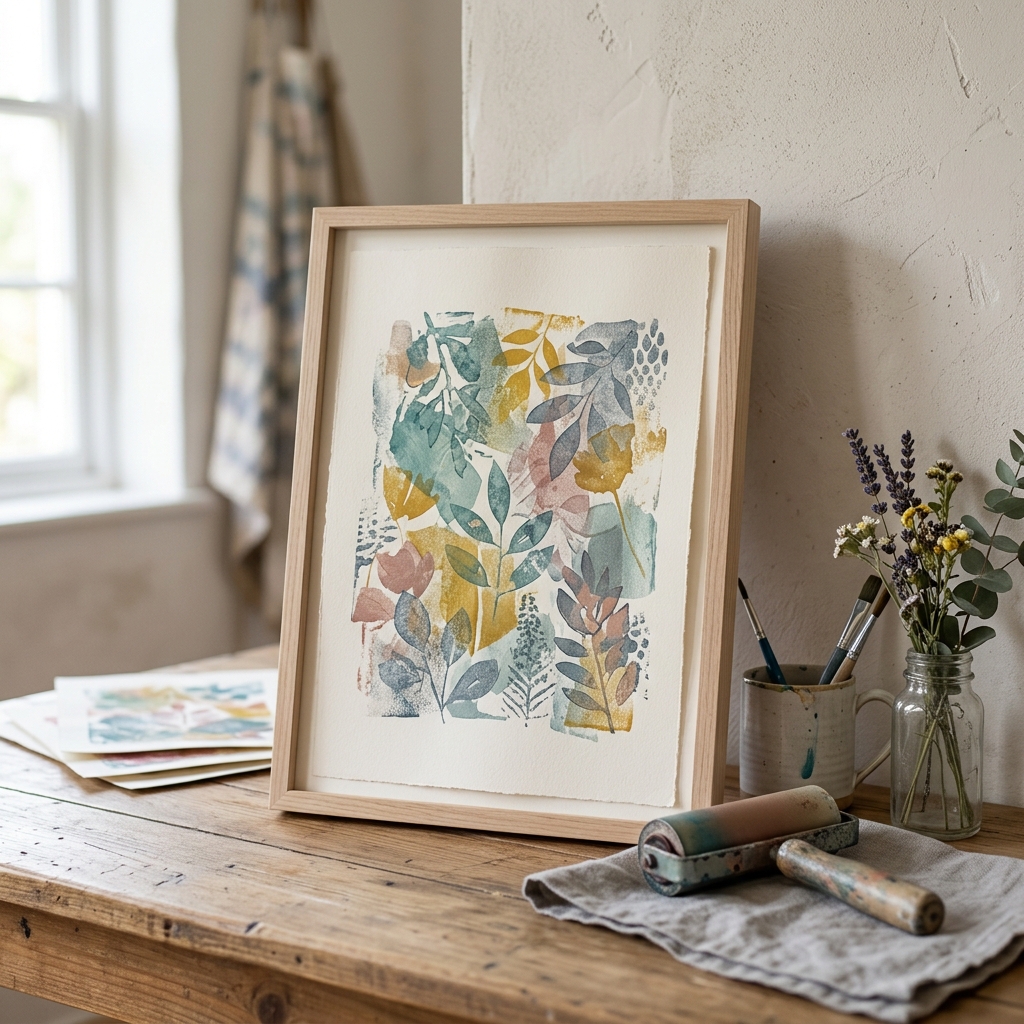
Learning gel plate printing through carefully curated expert resources ensures you develop proper techniques while avoiding common pitfalls that can frustrate beginners. The recommended guides featured in this aggregation represent the most trusted voices in the gel printing community, from industry-leading manufacturers to experienced mixed media instructors who understand how this technique integrates with broader artistic practice.
By following these expert-selected tutorials alongside our aggregated tips and material recommendations, you'll build a solid foundation in gel plate printing that serves your mixed media art for years to come. Each recommended resource offers unique perspectives and techniques, allowing you to develop your own artistic voice while mastering this versatile printmaking method.
HowTo.Monster's curated approach saves you valuable time and ensures you're learning from the most reliable sources available. Start with confidence knowing that thousands of artists have successfully learned gel plate printing through these same trusted resources, and soon you'll be creating your own unique textured papers and backgrounds that elevate your mixed media artwork to new levels of depth and interest.
Apparatus & Materials
| Item | Cost | |
|---|---|---|
| ◆ Brayer (Rubber Roller) Essential tool for applying paint evenly across the gel plate and smoothing paper during printing process. | $8–$20 | Buy now |
| ◆ Craft Mat or Scrap Paper Protective surface covering for workspace to keep area clean during the printing process. | $5–$15 | Buy now |
| ◆ Gel Plate (8.5" x 11") Reusable gelatin-like printing surface that serves as the foundation for creating monoprints. Gelli Arts and Gel Press are recommended brands. | $25–$40 | Buy now |
| ◆ Medium/Heavy Body Acrylic Paints Acrylic paints with proper consistency for gel plate printing, providing strong color and good transfer properties from plate to paper. | $15–$50 | Buy now |
| ◆ Paper Towels and Wet Cloth Cleaning supplies for wiping brayer and plate between colors to prevent unwanted mixing and maintain clean prints. | $3–$10 | Buy now |
| ◆ White Copy Paper Inexpensive printing surface ideal for beginners, works well with acrylic paint and is thin enough for collage applications. | $5–$15 | Buy now |
| Texture Tools and Stencils Various items like bubble wrap, lace, leaves, stencils, and stamps used to create patterns and textures on prints. | $10–$30 | Buy now |
Notes on the sources
The ranking at right reflects our editorial judgment after reading each source in full. For a summary of this entry in brief, see the source ranked first. For the chemistry and underlying principles, see the last.