Take the guesswork out of learning to crochet by choosing the right starter materials. This curated guide features top kit recommendations and structured resources for successful crafting.
Introduction
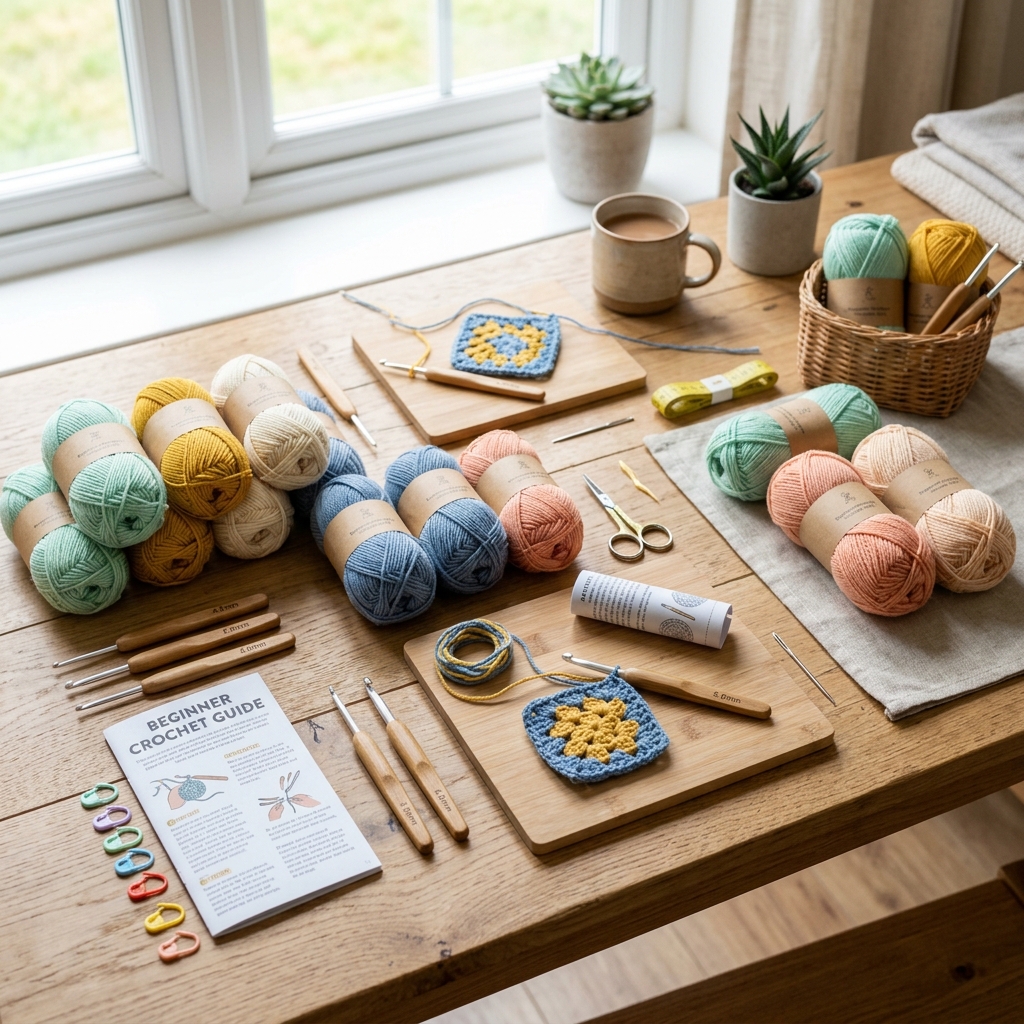
Starting your crochet journey with the right kit can make the difference between falling in love with the craft and feeling frustrated by confusing instructions or incompatible materials. Beginner-friendly crochet kits eliminate the guesswork by providing carefully matched tools, appropriate yarn weights, and structured learning materials that guide you from your first chain stitch to completed projects.
This curated guide aggregates recommendations from established craft publications, specialized learning brands, and experienced yarn companies to help you choose the most effective path into crochet. Rather than spending hours comparing options or risking purchases that don't work well together, you'll discover expert-vetted resources that have helped thousands of beginners succeed.
By following our curated recommendations, you'll gain access to comprehensive learning systems, quality materials, and the support resources that transform beginners into confident crocheters. We've done the research to identify guides and kits that truly deliver on their promises.
Overview
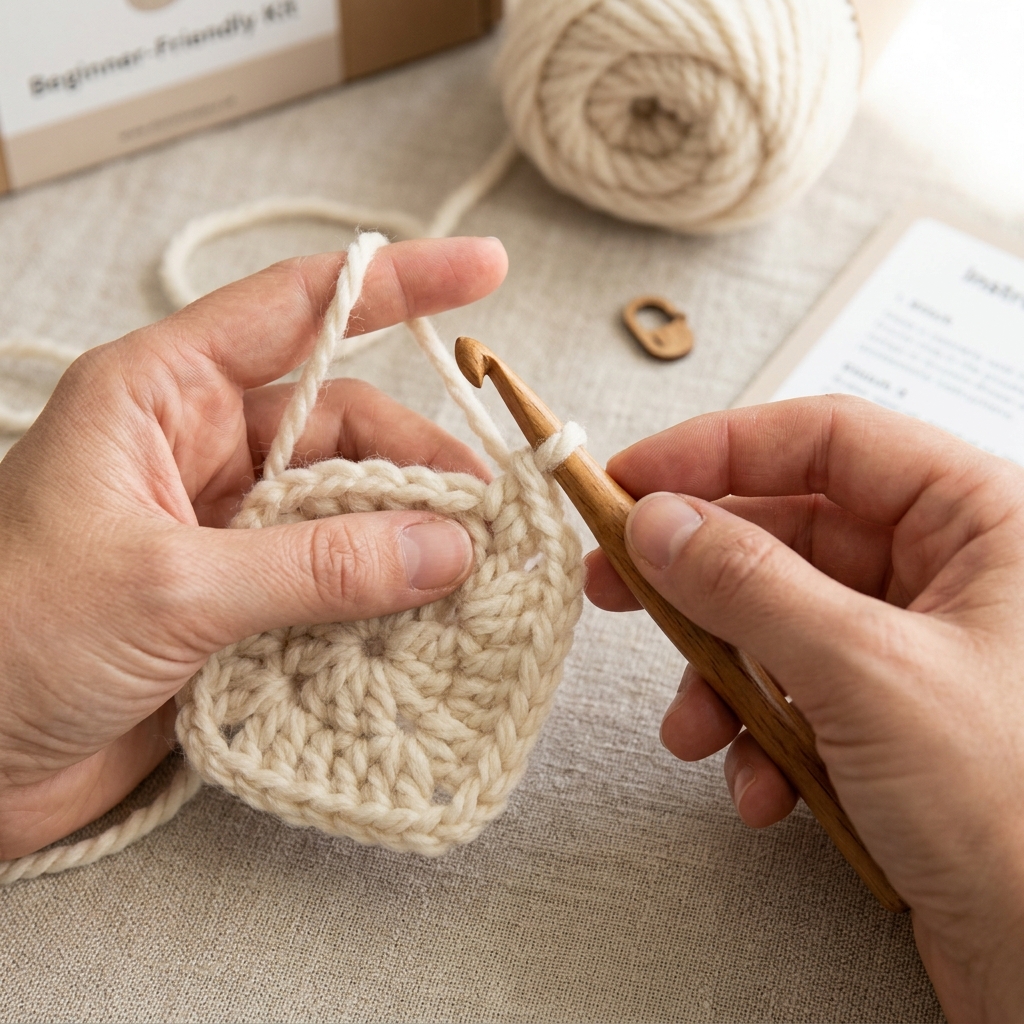
The process of starting with beginner-friendly crochet kits typically begins with selecting a complete package that matches your learning style and project interests. Quality kits provide everything needed in one coordinated package: appropriately-sized hooks (usually 5-8mm), beginner-friendly yarn in suitable weights and colors, and comprehensive instruction materials ranging from written patterns to video tutorials.
Most effective learning approaches progress systematically from basic tool handling and yarn management to practicing fundamental stitches through guided projects. Modern beginner kits often incorporate multiple instruction methods, combining traditional written patterns with video demonstrations and community support through online groups or direct instructor access. This multi-modal approach accommodates different learning preferences while building confidence through successful project completion.
The general flow involves familiarizing yourself with included materials, following structured lessons that build skills progressively, and completing guided projects that reinforce techniques. Quality kits are designed to eliminate common frustration points by ensuring proper tool-to-yarn matching and providing clear, tested instructions that account for typical beginner challenges.
Tips & Considerations
- Start with light or bright-colored yarn - Dark colors like black or navy make it difficult to see individual stitches and identify mistakes during learning
- Choose medium-weight yarn (size 4) or bulky yarn (size 5) - These weights are easier to handle and allow you to see your progress clearly
- Look for kits with video support - Visual demonstrations help clarify techniques that can be confusing in written instructions alone
- Ensure ergonomic hook selection - Consider bamboo or wooden hooks if you experience hand discomfort, as they're lighter and provide better grip than metal
- Avoid overly complex first projects - Start with simple shapes like granny squares or basic amigurumi rather than attempting garments with shaping
- Verify hook and yarn compatibility - Quality kits ensure proper matching, but if building your own kit, confirm hook sizes work well with your chosen yarn weight
- Create good lighting conditions - Position yourself near bright, natural light or use a craft lamp to reduce eye strain and improve stitch visibility
- Practice tension consistency - Keep yarn tension steady but not tight; your stitches should be loose enough to easily insert the hook
- Don't rush the learning process - Master basic stitches thoroughly before moving to more complex techniques or patterns
Conclusion
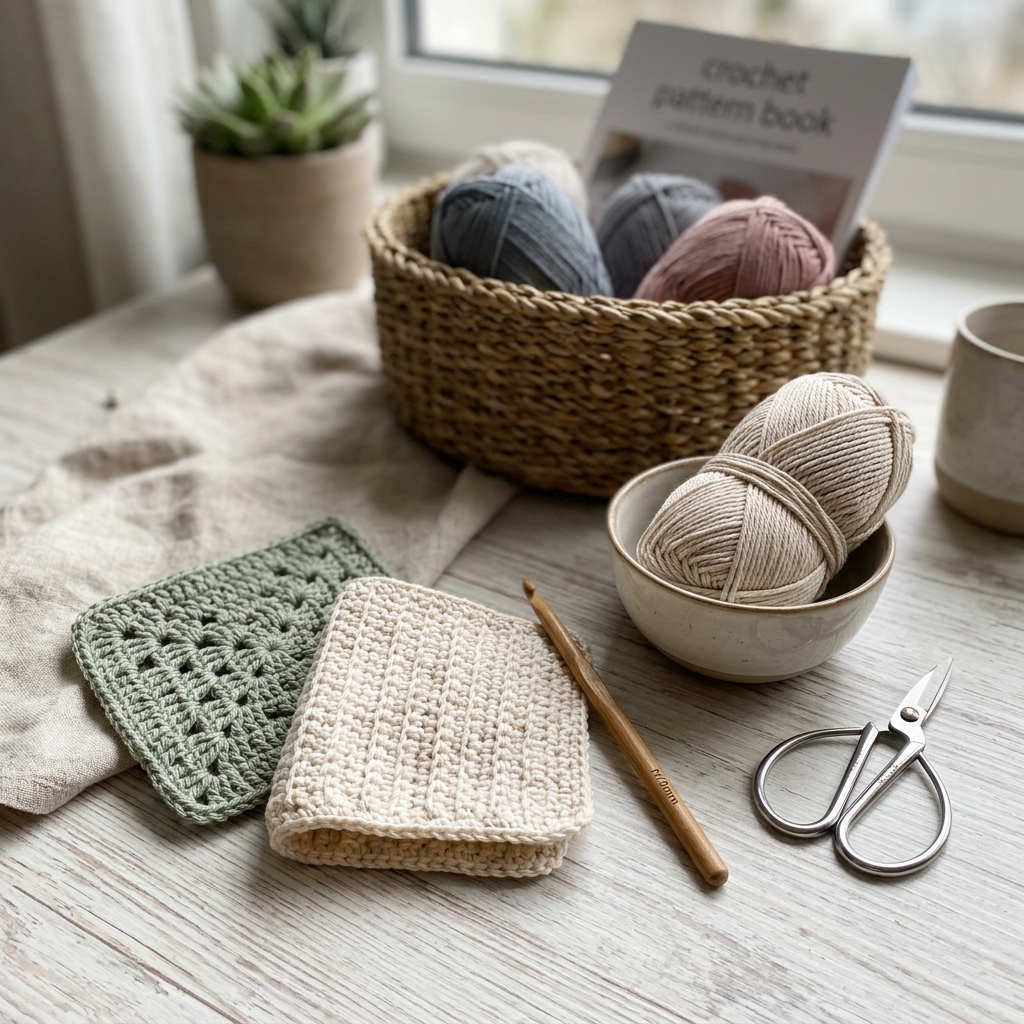
Choosing the right beginner-friendly crochet kit sets the foundation for a rewarding lifelong hobby. The curated resources we've identified represent the best options available, each offering unique advantages whether you prefer comprehensive all-in-one packages, specialized learning systems, or expert guidance from established craft authorities.
By exploring our recommended guides, you'll save valuable time and avoid the common pitfalls that can discourage new crocheters. These expert-vetted resources provide not just materials and instructions, but complete learning ecosystems designed to support your success from first stitch to finished project.
HowTo.Monster has done the research to identify truly effective learning resources, allowing you to focus your energy on the joy of creating rather than searching through countless options. With the right kit and guidance, you'll soon discover why millions of people find crochet both relaxing and deeply satisfying. Start with confidence, knowing you have expert-recommended tools and instruction to guide your crochet journey.
Apparatus & Materials
| Item | Cost | |
|---|---|---|
| ◆ Crochet Hook (5mm-8mm) Medium-sized hook that is comfortable to hold and works well with beginner-friendly yarn. Metal hooks glide smoothly while bamboo/wooden hooks are lightweight and provide good friction for beginners. | $3–$15 | Buy now |
| ◆ Light or Bright Colored Yarn Light or bright colored yarn makes it easier to see stitches and mistakes compared to dark colors like black or navy, which are harder to work with. | $4–$12 | Buy now |
| ◆ Medium Weight Yarn (4) or Bulky Weight Yarn (5) Mid-sized yarn that is easy to hold and handle, making it perfect for beginners to see stitches clearly and learn basic techniques. | $4–$12 | Buy now |
| ◆ Stitch Markers Small clips or rings used to mark specific stitches, rounds, or pattern repeats to help beginners keep track of their progress. | $2–$8 | Buy now |
| ◆ Tapestry/Yarn Needles Large-eye needles used for sewing pieces together, weaving in ends, and adding finishing touches to crochet projects. | $2–$6 | Buy now |
| Safety Eyes Plastic safety eyes used for amigurumi and stuffed animal projects, providing a professional finished look to crocheted creatures. | $3–$10 | Buy now |
| Stuffing/Fiberfill Polyester fiberfill stuffing used to fill amigurumi projects and stuffed animals included in beginner kits. | $3–$8 | Buy now |
Notes on the sources
The ranking at right reflects our editorial judgment after reading each source in full. For a summary of this entry in brief, see the source ranked first. For the chemistry and underlying principles, see the last.