Stop a running toilet by swapping the flapper, setting the chain slack correctly, and checking the tank for leaks before you call the job finished.
A small rubber part can waste a lot of water
A toilet that keeps running after the flush is usually telling you the same thing: the flapper is no longer sealing. The rubber gets stiff, warped, or cracked, and the tank slowly leaks into the bowl even when nobody is using it.
The fix is simple, but the details matter. If the replacement part is the wrong size or the chain is set too tight or too loose, the toilet can still leak or start flushing weakly. This guide walks through the whole job, from shutoff to leak check, so you only have to do it once.
Step 1: Turn off the water and empty the tank
Find the shutoff valve behind the toilet and turn it clockwise until it stops. Then lift the tank lid carefully and set it somewhere safe, flat, and out of the way.
Flush once to drop the water level in the tank. If a little water remains at the bottom, soak it up with a towel or sponge so the flapper area is easy to see and handle.
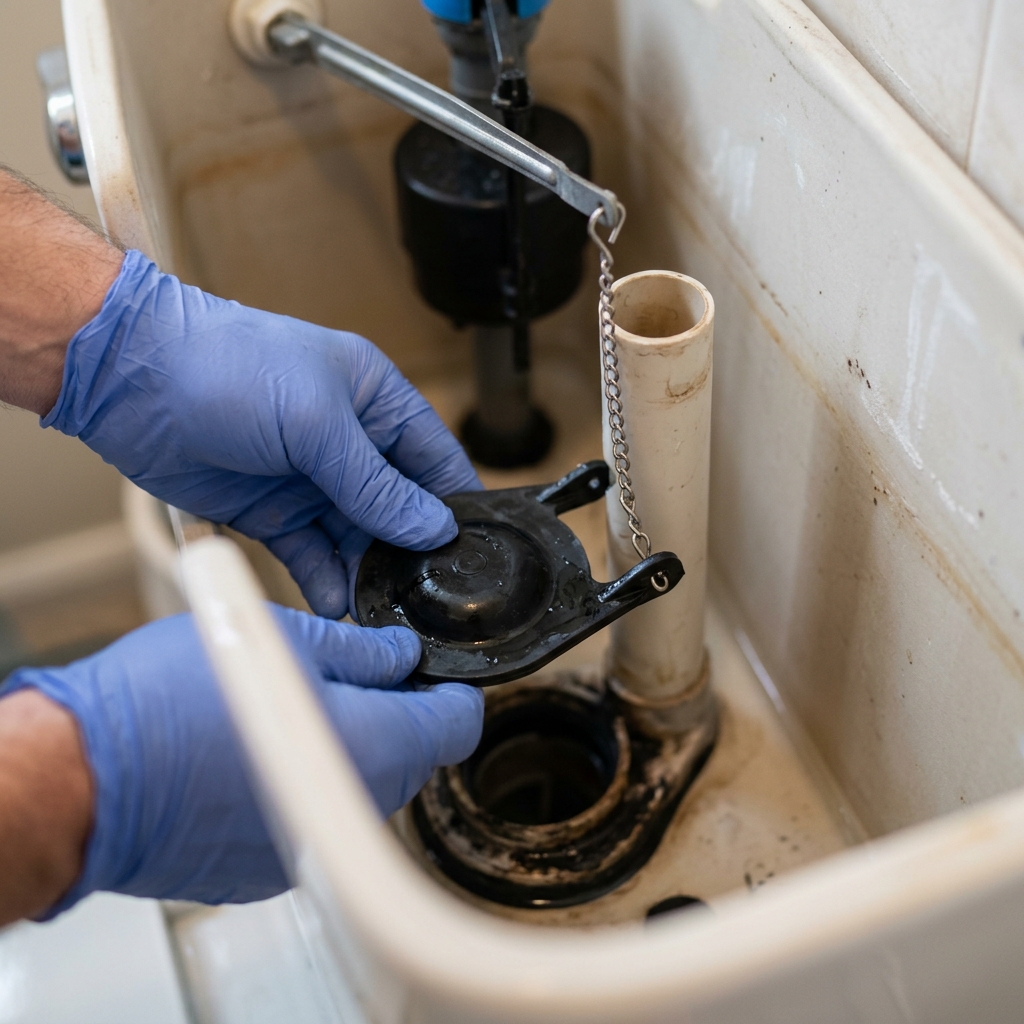
Step 2: Remove the old flapper and note how it was attached
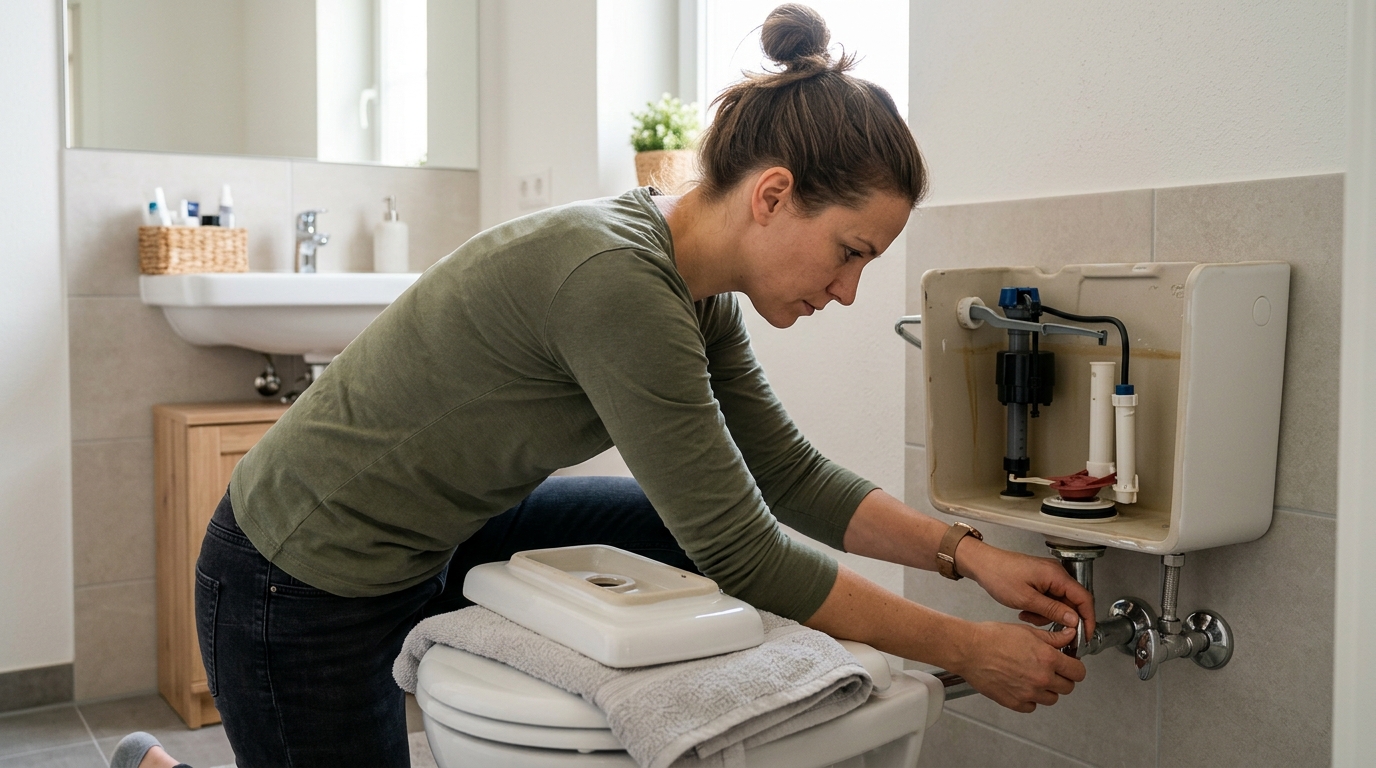
Look at how the old flapper connects to the overflow tube and where the chain clips to the flush lever. Before you unhook anything, take a mental note of the chain length and the shape of the flapper ears or hinge points.
Lift the flapper off the pegs or slide it free from the overflow tube, depending on the model. Old rubber can be brittle, so don't yank it sideways if it resists — gentle movement keeps the tank hardware from cracking.
Step 3: Match the replacement and install it squarely
Use a replacement that matches the old part's size and style. If you're unsure, compare the old flapper at the store or check the toilet make and model before buying. A close-looking part that doesn't match the seal width can still leak.
Seat the new flapper on the pegs or hinge points so it lies flat over the valve opening. The goal is a smooth, centered seal; if it sits cocked to one side, the water will keep slipping past the edge.
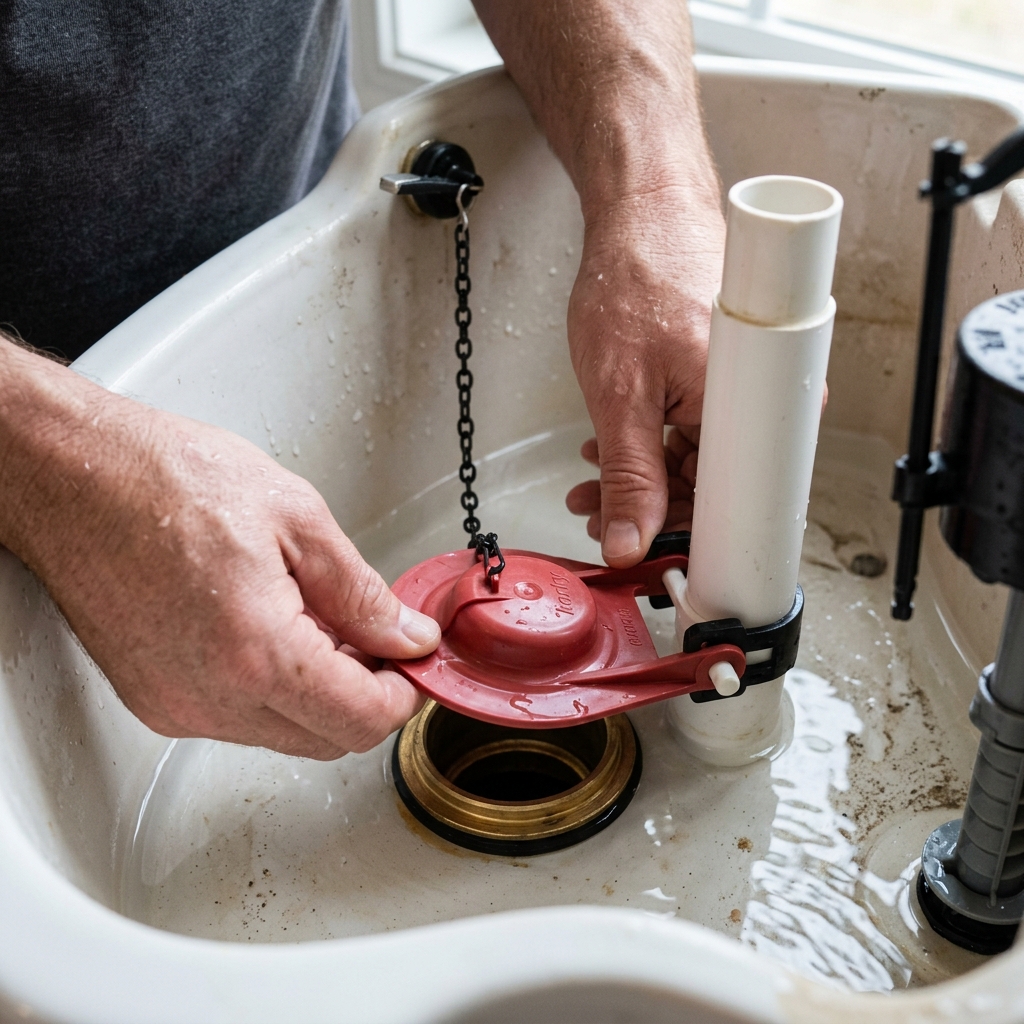
Step 4: Set the chain slack and test the flush
Reconnect the chain to the flush lever with enough slack that the flapper can fully close, but not so much slack that the chain snags under the flapper. A good starting point is a little droop in the chain when the flapper is seated.
Turn the water back on and let the tank refill. Flush a few times and watch the flapper move: it should lift cleanly, drop back into place, and stay sealed once the handle is released.
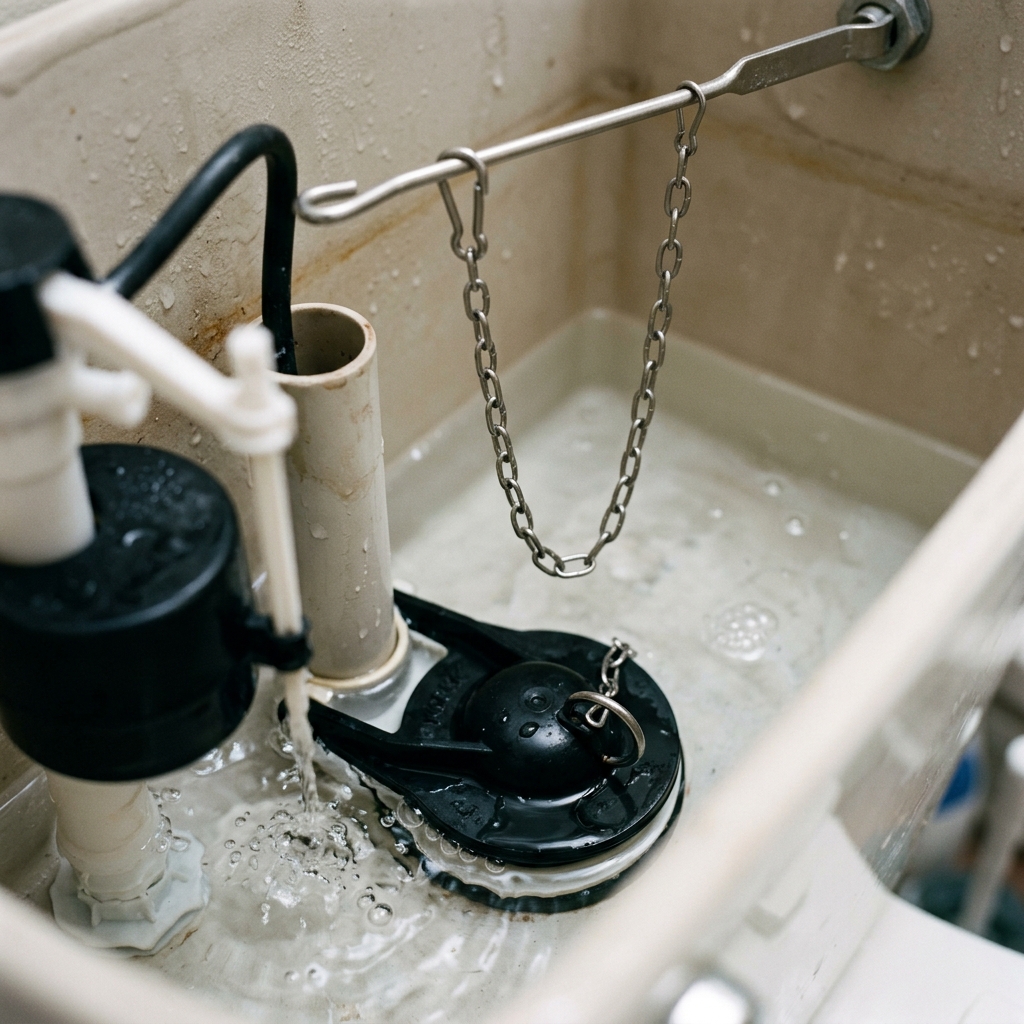
Step 5: Check for a silent leak before you close up
Leave the lid off for one last test. If you see a steady ripple in the bowl or hear water refilling with nobody touching the handle, the seal still isn't right. Recheck chain length, flapper alignment, and whether the replacement matches the valve size.
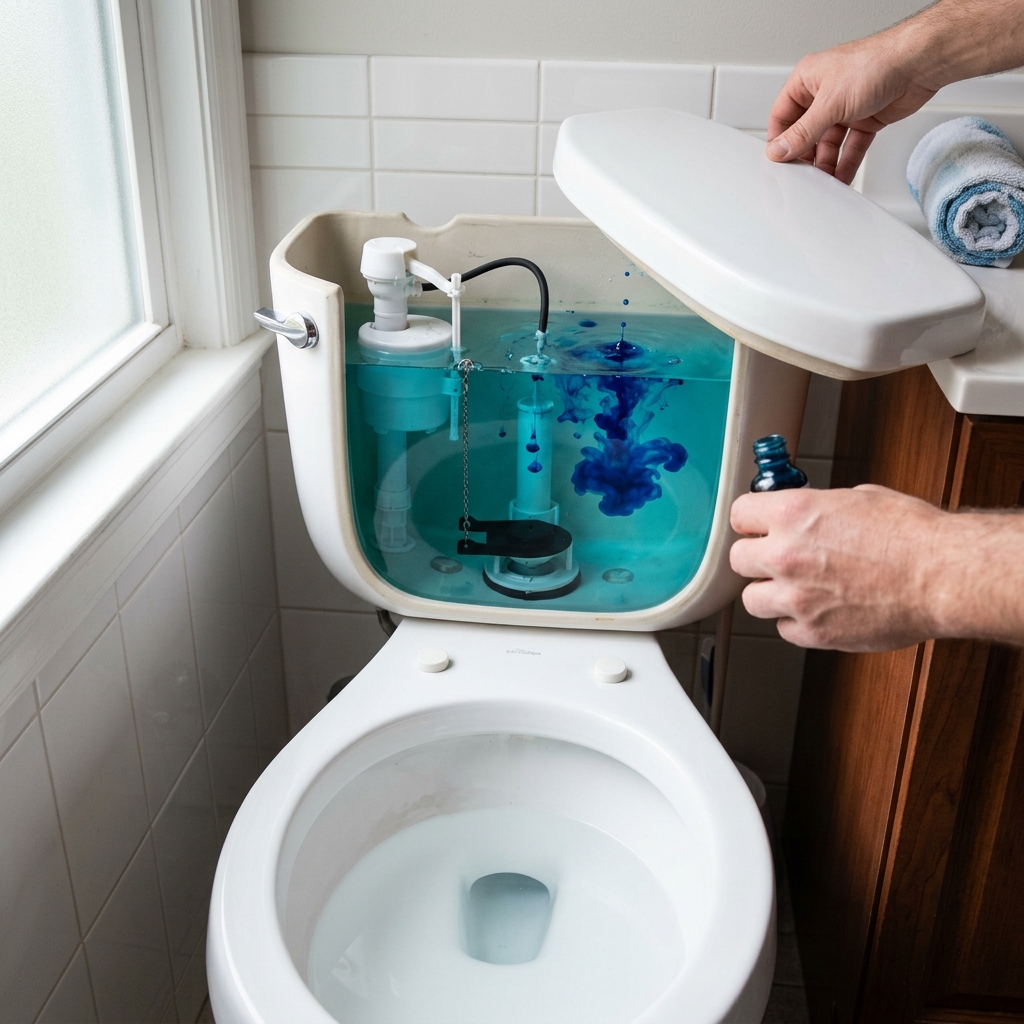
For a more confident leak check, add a few drops of food coloring to the tank and wait about 10 minutes without flushing. If color shows up in the bowl, the tank-to-bowl seal is still leaking and the flapper needs another adjustment. Once the water stays still, put the lid back on and call it done.
Apparatus & Materials
| Item | Cost | |
|---|---|---|
| ◆ Replacement toilet flapper Creates the new seal that stops tank water from leaking into the bowl. | $8–$18 | Buy now |
| ◆ Sponge or towel Soaks up the small amount of tank water left at the bottom during the repair. | $2–$8 | Buy now |
| Food coloring Helps confirm whether water is still leaking from the tank into the bowl. | $2–$5 | Buy now |
| Small bucket Catches drips or removed water while you swap the flapper. | $4–$10 | Buy now |
Notes on the sources
The ranking at right reflects our editorial judgment after reading each source in full. For a summary of this entry in brief, see the source ranked first. For the chemistry and underlying principles, see the last.