This curated guide aggregates the best expert resources to help you effectively remove stubborn white spots and discoloration from stainless steel surfaces.
Introduction
White spots, water stains, and discoloration on stainless steel kitchen surfaces can make even the most expensive appliances look dirty and neglected. These unsightly marks are primarily caused by hard water mineral deposits, heat exposure, and everyday use, but the good news is they're completely removable with the right techniques and products.
Rather than sorting through countless cleaning tutorials and conflicting advice online, we've carefully curated the most effective, expert-backed resources to save you time and frustration. Our selected guides come from trusted cleaning experts, major home improvement retailers, and specialists who understand the specific challenges of maintaining stainless steel's pristine appearance.
By following our curated approach, you'll gain access to proven methods that work quickly and safely, without risking damage to your valuable kitchen surfaces. We've prioritized resources that offer both natural DIY solutions and commercial cleaning options, ensuring you can choose the approach that best fits your preferences and the severity of your staining issues.
Overview
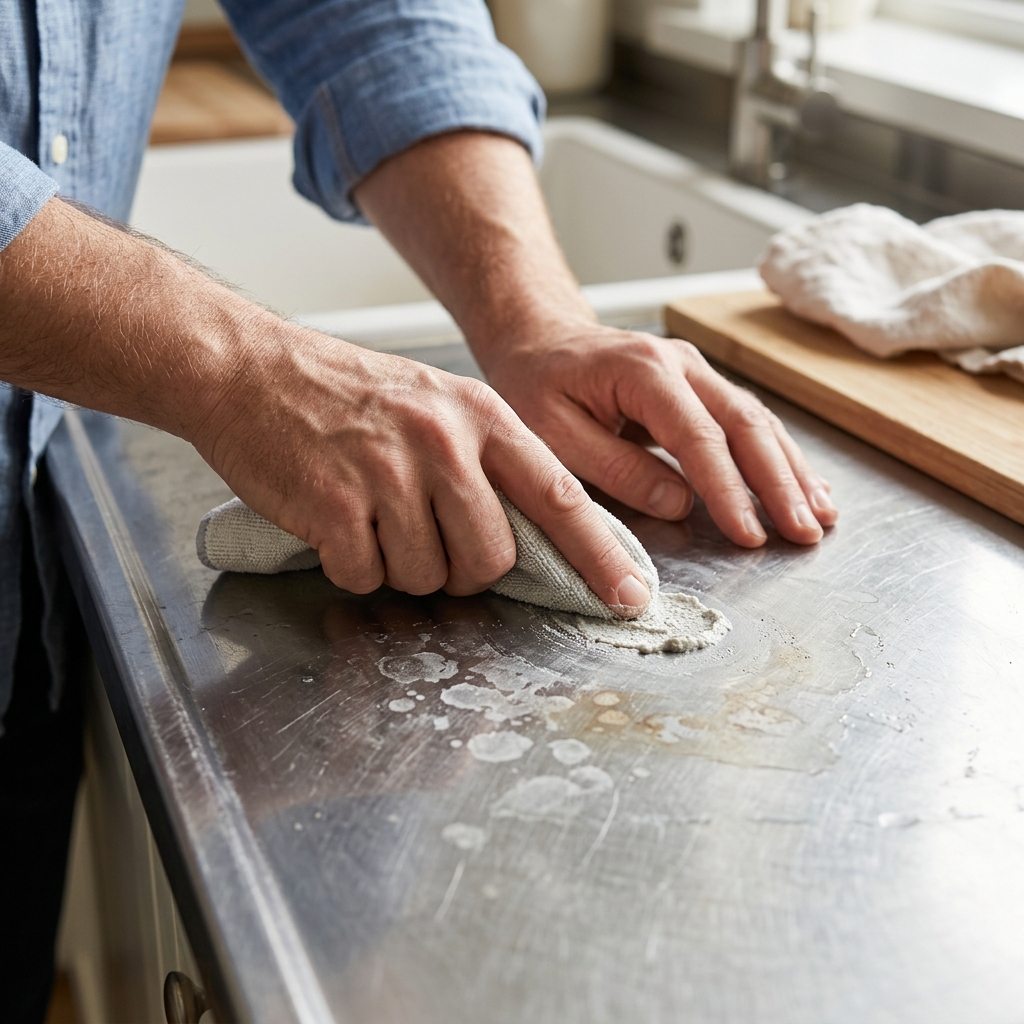
The process of removing white spots and discoloration from stainless steel involves identifying the type of stain, selecting the appropriate cleaning solution, and applying proper technique that works with the metal's natural grain pattern. Most successful approaches begin with gentler natural solutions like white vinegar or baking soda paste, then escalate to commercial cleaners containing oxalic acid for stubborn discoloration.
The general workflow involves applying your chosen cleaning solution, allowing adequate contact time for the cleaner to break down mineral deposits or stains, then wiping in the direction of the steel's grain to avoid scratching. Critical to success is the final step of thorough rinsing and immediate drying to prevent new water spots from forming and to restore the surface's natural luster.
Our recommended guides provide detailed step-by-step instructions for each method, with specific timing, mixing ratios, and technique tips that ensure optimal results. The most effective approaches often combine multiple techniques - using natural cleaners for regular maintenance and commercial products for deeper restoration when needed.
Tips & Considerations
- Always clean with the grain - Identify the directional lines in your stainless steel and wipe parallel to them, never against or in circular motions
- Test solutions first - Apply any cleaning product to an inconspicuous area before treating visible surfaces to avoid unexpected reactions
- Limit vinegar contact time - While effective, acidic solutions should only sit on stainless steel for 1 minute or less to prevent etching
- Dry immediately after cleaning - Water left on surfaces will create new spots, so always finish with a thorough drying using clean microfiber cloths
- Avoid abrasive materials - Never use steel wool, abrasive pads, or harsh chemicals like bleach that can permanently damage the protective coating
- Address water quality - Installing a water softener can prevent future hard water staining and reduce maintenance frequency
- Work in small sections - Clean manageable areas at a time to prevent solutions from drying on the surface before you can properly wipe them away
- Use proper ventilation - Ensure adequate airflow when using vinegar solutions or commercial cleaners, especially in enclosed spaces
- Consider finish type - Brushed, polished, and fingerprint-resistant stainless steel finishes may require slightly different approaches for optimal results
Conclusion
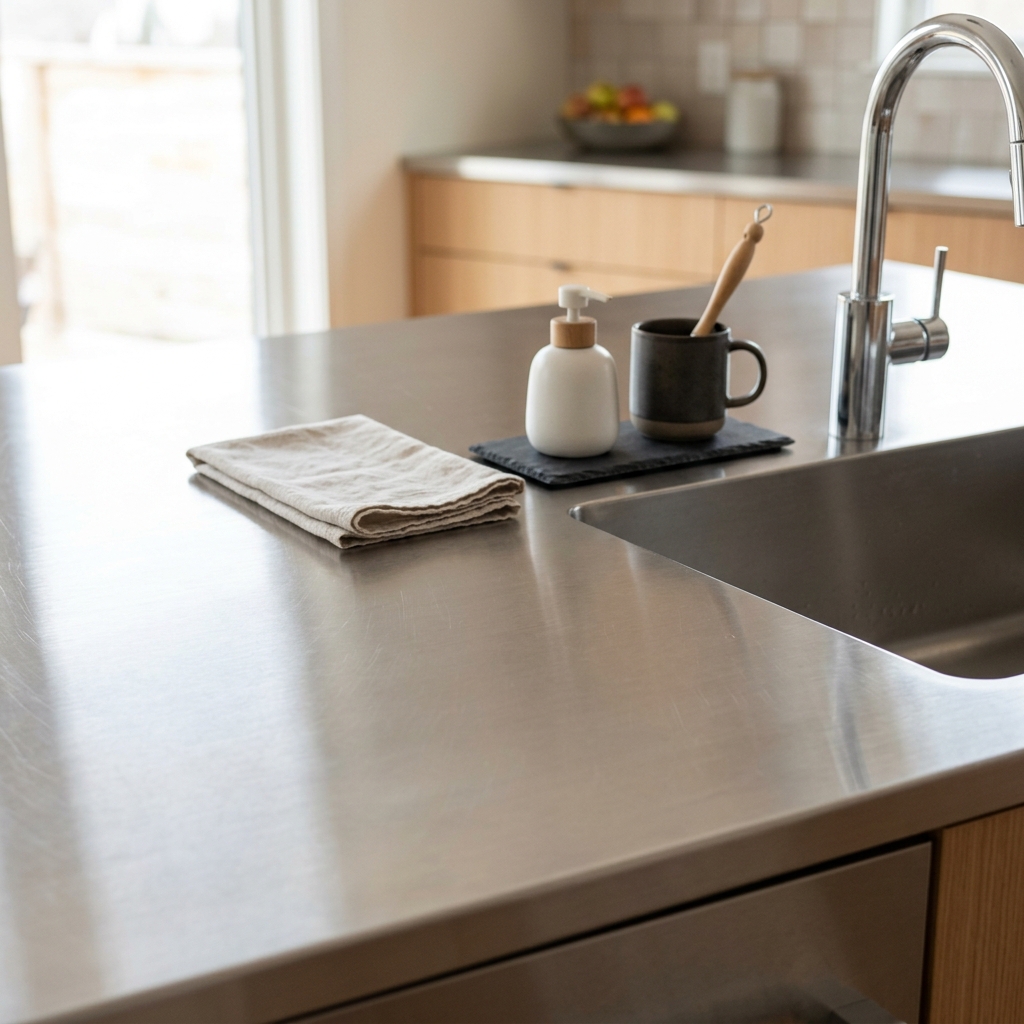
Successfully removing white spots and discoloration from stainless steel doesn't require expensive professional services or harsh chemicals - it just requires the right knowledge and proven techniques. By leveraging our carefully selected expert resources, you'll save hours of trial-and-error while achieving professional-quality results in your own kitchen.
The guides we've curated represent the most reliable, tested methods available, combining both natural DIY approaches and commercial solutions to address any level of staining or discoloration. Each resource has been chosen for its clarity, safety considerations, and track record of delivering real results for homeowners facing these common stainless steel challenges.
With these expert-backed techniques at your disposal, you can restore your stainless steel surfaces to their original brilliance and maintain that showroom appearance with confidence. Your kitchen appliances represent a significant investment - now you have the knowledge to protect and preserve that investment for years to come.
Apparatus & Materials
| Item | Cost | |
|---|---|---|
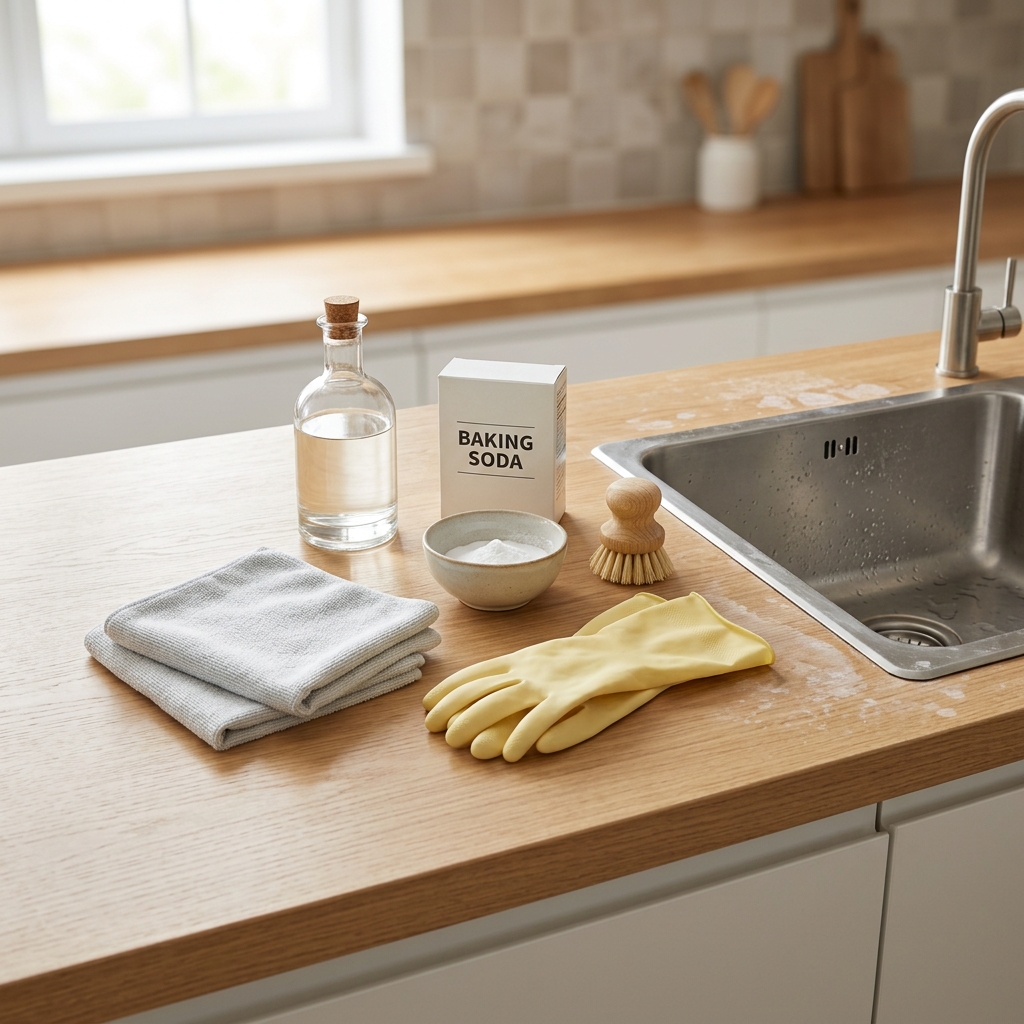
| ◆ Baking Soda Creates an abrasive paste when mixed with water to remove stubborn stains and discoloration. | $1–$3 | Buy now |
| ◆ Clean Towels For drying surfaces and applying hot vinegar treatment to stubborn spots. | $8–$20 | Buy now |
| ◆ Microfiber Cloth Lint-free cloth that cleans without scratching and wipes in the direction of the steel grain. | $5–$15 | Buy now |
| ◆ Non-Abrasive Sponge Soft sponge for scrubbing without scratching the stainless steel finish. | $2–$6 | Buy now |
| ◆ Spray Bottle Used to mix and apply vinegar-water solution evenly across stainless steel surfaces. | $2–$8 | Buy now |
| ◆ White Distilled Vinegar Most effective solution for removing white water spots and mineral deposits from stainless steel surfaces. | $2–$5 | Buy now |
| Bar Keepers Friend Commercial cleaner containing oxalic acid that effectively removes moderate to heavy stains from stainless steel. | $3–$8 | Buy now |
Notes on the sources
The ranking at right reflects our editorial judgment after reading each source in full. For a summary of this entry in brief, see the source ranked first. For the chemistry and underlying principles, see the last.