This curated guide aggregates expert resources to help you refresh grout lines using grout pens, saving time finding reliable instructions and honest advice.
Introduction
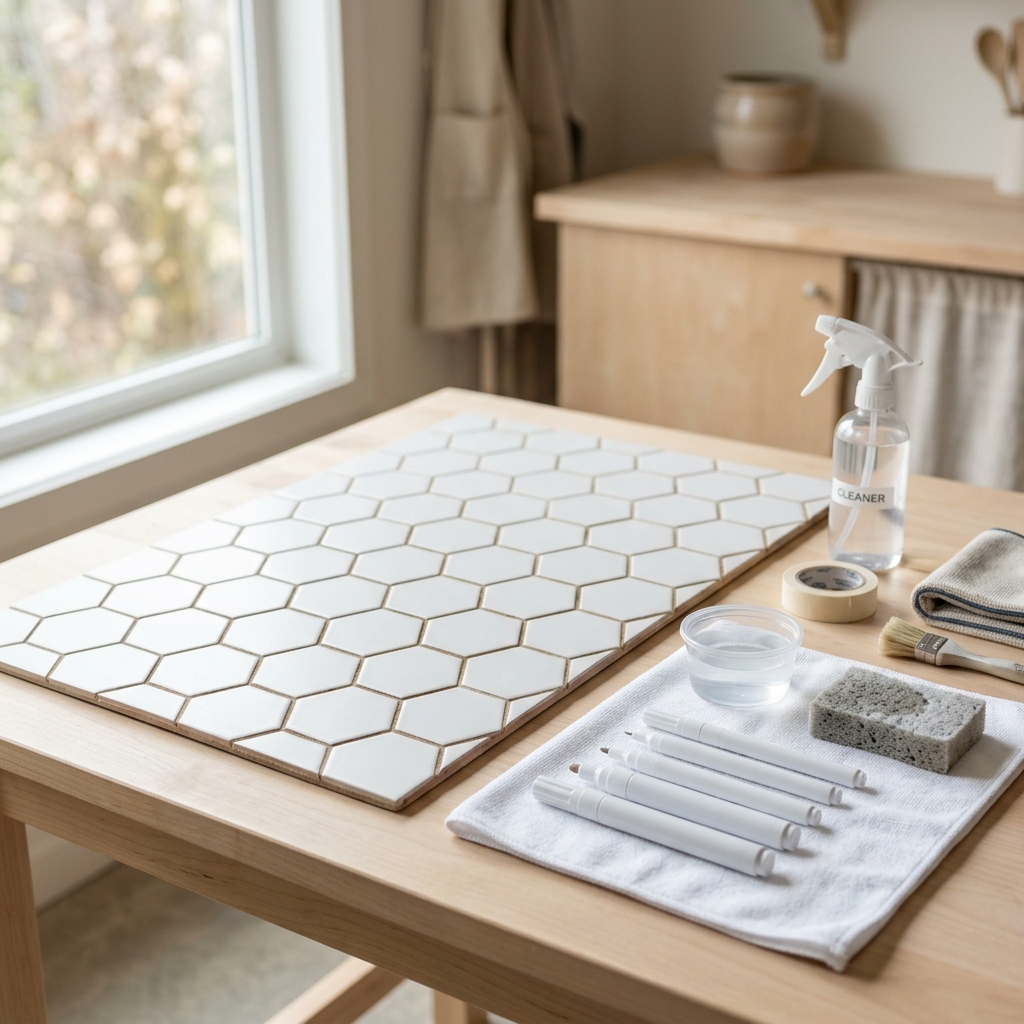
Discolored, stained grout lines can make even the most beautiful tile installations look tired and dated. While completely retiling is expensive and time-consuming, grout pens offer an affordable alternative that can dramatically refresh your space in just a weekend. These specialized markers apply waterproof colorant directly over existing grout, restoring clean lines and renewed appearance.
We've curated the best expert guides and real-world experiences to help you navigate this DIY project successfully. Rather than sifting through dozens of conflicting tutorials, you'll find our handpicked resources provide honest assessments of what grout pens can and cannot achieve, along with detailed step-by-step instructions from homeowners who've actually completed these projects.
This aggregated approach ensures you get realistic expectations alongside practical guidance, helping you decide if grout pens are right for your situation and how to achieve the best possible results.
Overview
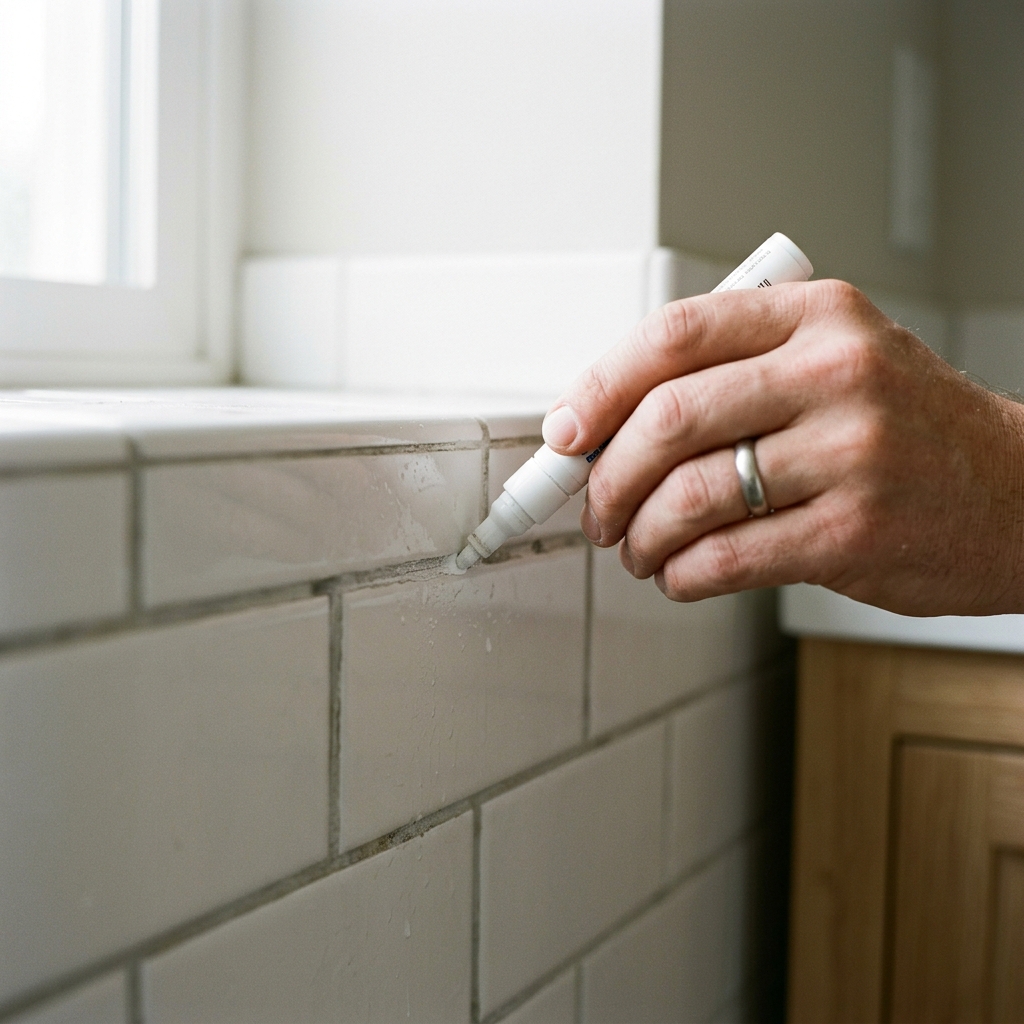
The grout pen refresh process involves two main phases: preparation and application. Success depends heavily on thorough cleaning, as grout pens won't adhere properly over dirt, soap scum, or mold. Most projects require removing all debris from grout lines, deep cleaning with appropriate cleaners, and allowing 24 hours of complete drying time before beginning application.
The application phase involves priming the pen, testing flow consistency, and systematically working along grout lines with steady pressure. Most homeowners need 2-3 coats for even coverage, especially when making dramatic color changes. The process concludes with careful cleanup of any excess colorant from tile surfaces and optional sealing for enhanced durability.
Grout pens work best on structurally sound grout in low- to medium-traffic areas. They're considered a temporary solution lasting 1-3 years rather than a permanent fix, but can significantly extend the life of your tile installation before more extensive renovations become necessary. Our recommended guides provide detailed instructions for each phase, along with realistic timelines and coverage expectations.
Tips & Considerations
Test in an inconspicuous area first - Grout pens may react differently with various grout types and ages, so always test a small hidden section before proceeding with the entire project
Manage expectations for coverage - Individual pens typically cover only about 1 square foot of grout lines, so calculate your needs carefully and purchase extra pens for touch-ups
Work in small sections - Don't attempt to cover large areas at once; work in manageable 2-3 square foot sections to maintain consistent application and allow time for cleanup
Keep both damp and dry cloths handy - Immediately wipe any excess colorant from tile surfaces before it sets, as dried grout pen ink becomes much harder to remove
Ensure proper ventilation - While most grout pens are low-odor, working in well-ventilated areas prevents headaches and ensures proper drying conditions
Prime the pen properly - Shake vigorously and pump the tip on cardboard until color flows consistently; inconsistent flow leads to streaky, uneven coverage
Plan for multiple coats - Don't expect perfect coverage on the first application, especially when going from dark to light colors or covering heavily stained grout
Consider traffic levels - Grout pens work best in bathrooms, backsplashes, and decorative areas rather than high-traffic floor installations where durability is critical
Conclusion
Grout pens offer an accessible, budget-friendly solution for refreshing tired grout lines without the complexity of full tile replacement. While they're not a permanent fix, they can dramatically improve your space's appearance and buy you years before more extensive renovations become necessary.
Our curated selection of guides provides you with expert insights from homeowners who've actually completed these projects, offering both detailed instructions and honest assessments of results. These resources will help you set realistic expectations, avoid common pitfalls, and achieve the best possible outcome for your specific situation.
At HowTo.Monster, we save you time by identifying the most valuable, trustworthy resources so you can focus on your project rather than research. With the right preparation, quality materials, and guidance from our recommended experts, you'll be able to transform your grout lines and refresh your entire space in just a weekend.
Apparatus & Materials
| Item | Cost | |
|---|---|---|
| ◆ All-Purpose Cleaner Cleaning solution needed to thoroughly remove dirt, grime, and residue from grout lines before application. | $3–$8 | Buy now |
| ◆ Cardboard Test Piece Needed for testing pen flow consistency and priming the pen tip before application. | $2 | Buy now |
| ◆ Clean Dry and Damp Cloths Essential for wiping up surplus ink, cleaning surfaces, and removing any coating that gets on tiles. | $2–$10 | Buy now |
| ◆ Grout Pens Paint pens that apply a thin waterproof coating over existing grout lines to refresh their appearance without replacement. | $8–$20 | Buy now |
| ◆ Old Toothbrush Used to scrub tile cleaner into grout lines and remove loosened dirt and cement residue. | $1–$3 | Buy now |
| Disposable Gloves Optional protection for hands during cleaning and application, though grout pen ink washes off with soap and water. | $2–$8 | Buy now |
| Grout Sealer Optional coating applied after pen application to prevent future stains and make cleaning easier. | $8–$15 | Buy now |
Notes on the sources
The ranking at right reflects our editorial judgment after reading each source in full. For a summary of this entry in brief, see the source ranked first. For the chemistry and underlying principles, see the last.