A curated guide aggregating the best expert resources for creating mindful, textured fabric wall art using sustainable slow crafting techniques and materials.
Introduction
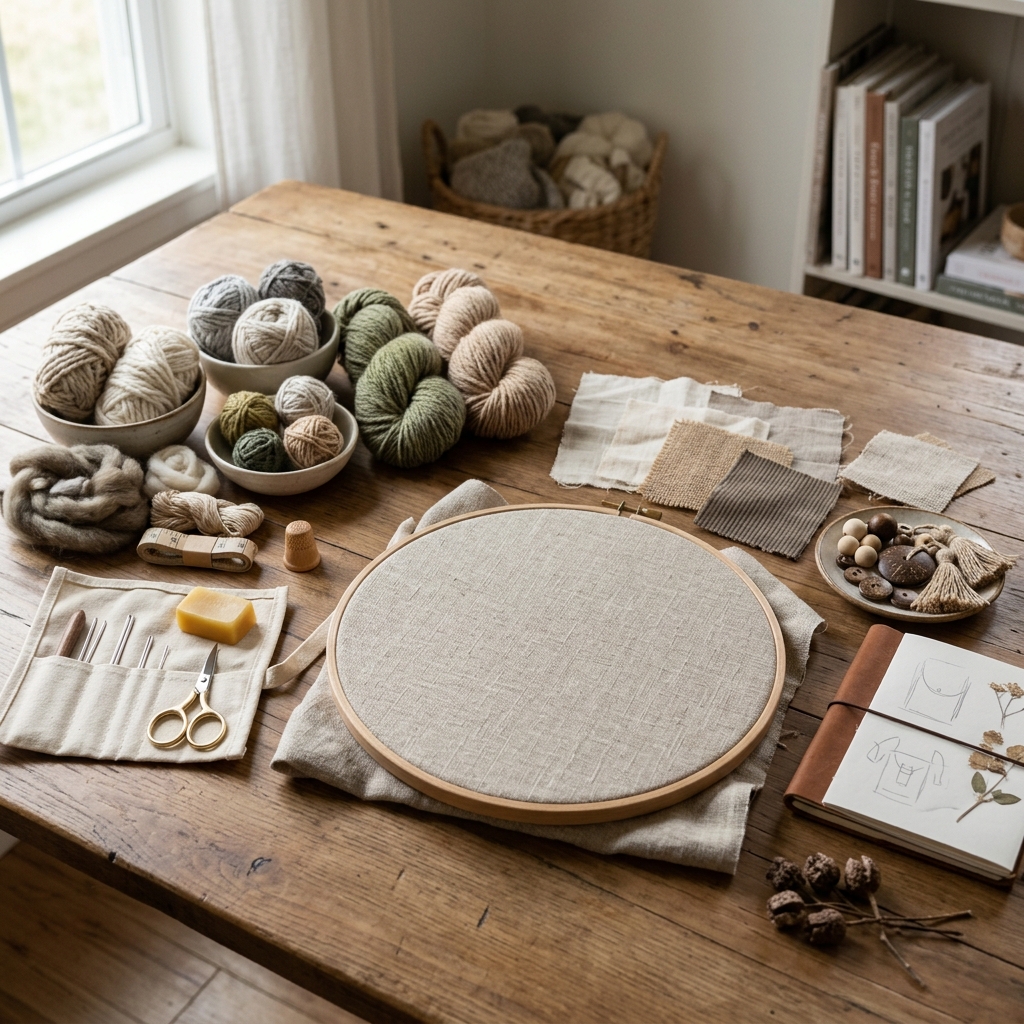
In our fast-paced digital world, slow crafting offers a meaningful return to intentional creation, and textured fabric wall art represents one of its most rewarding expressions. This meditative practice combines sustainability with personal artistry, transforming discarded textiles and fabric scraps into unique wall décor that tells a story. Unlike mass-produced artwork, these handcrafted pieces carry the energy of time spent in contemplation and the satisfaction of creating something entirely your own.
Rather than overwhelming you with conflicting advice from dozens of sources, we've carefully curated the most comprehensive and reliable guides available online. Our research identified the clearest tutorials, most practical techniques, and most trustworthy expert advice to help you navigate this rewarding craft. This aggregation saves you hours of searching while ensuring you learn from proven methods that actually work.
Through these expert-vetted resources, you'll discover multiple approaches to fabric wall art-from simple framed textile displays to more advanced plaster-dipped sculptural techniques. Whether you're drawn to the meditative rhythm of hand-stitching or prefer the dramatic textures created through fabric manipulation, the recommended guides will meet you at your skill level and help you grow as an artist.
Overview
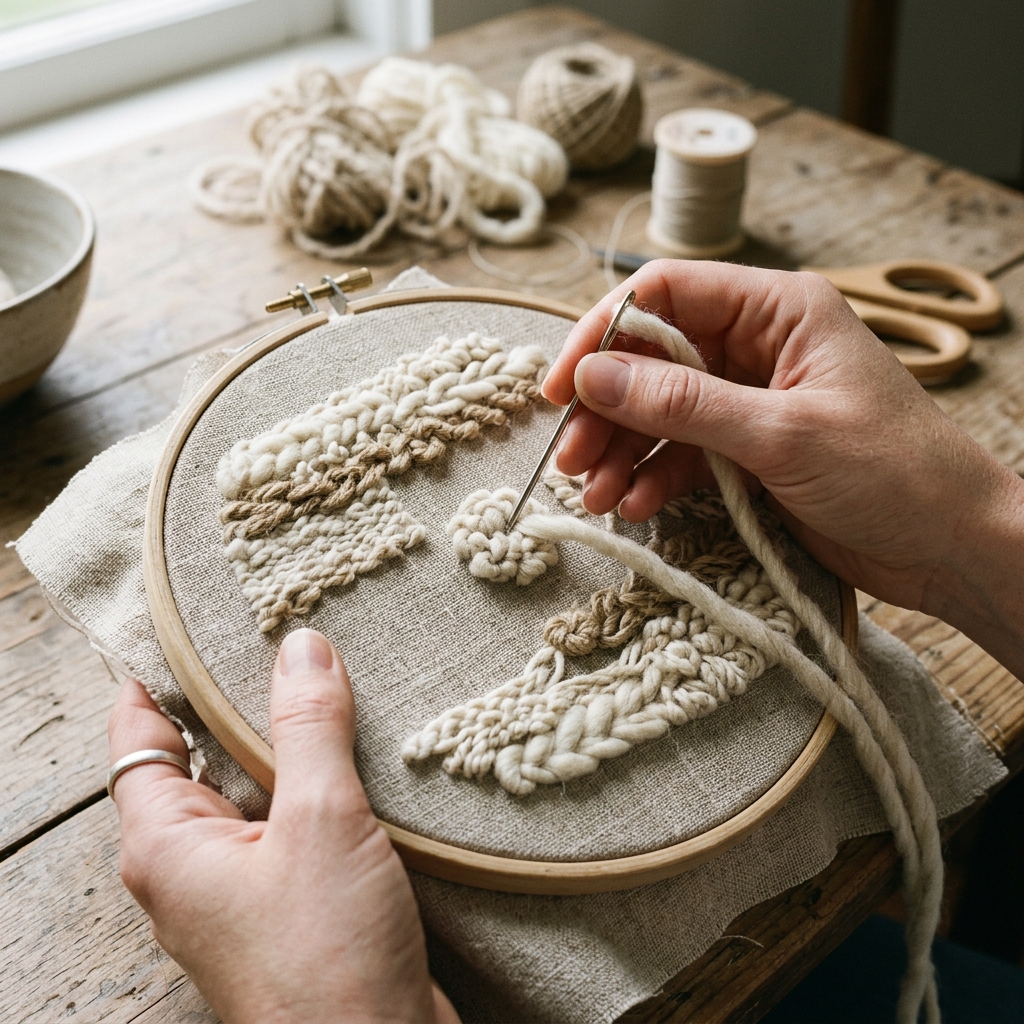
Creating textured fabric wall art through slow crafting techniques begins with mindful material selection, emphasizing natural fibers like cotton, linen, and canvas that behave predictably and align with sustainable values. The process typically starts with gathering your foundation materials and decorative elements, which might include everything from vintage fabric scraps to embroidery threads, depending on your chosen technique.
The heart of slow crafting lies in the methodical building of texture and visual interest through traditional techniques like layered textile collage, decorative stitching, or fabric manipulation. Unlike rushed projects, this approach encourages you to work in contemplative sessions, allowing each layer or stitch to be placed with intention. Some methods involve wet techniques like plaster application for dramatic sculptural effects, while others rely purely on dry assembly through careful layering and strategic stitching.
The finishing phase focuses on proper mounting and display, whether through canvas stretching, simple framing, or alternative hanging methods that complement your handmade aesthetic. The recommended guides provide detailed instructions for each approach, complete with troubleshooting tips and material specifications. Throughout the process, the emphasis remains on mindful creation rather than speed, allowing the therapeutic benefits of slow crafting to emerge naturally as your artwork takes shape.
Tips & Considerations
Work in well-ventilated areas when using plaster of Paris or any adhesives, and always protect your work surface with plastic sheeting or tarps to prevent damage
Choose stable, non-stretchy fabrics for your foundation layers-cotton and felt are particularly forgiving for beginners and won't warp or fray easily during handling
Plan your color relationships in advance, especially when working with varied fabric scraps, as it's difficult to adjust harmony once pieces are permanently attached
Allow generous drying and curing time for any wet applications like plaster or fabric adhesives-rushing this stage can compromise your entire piece
Consider your wall space and viewing distance when determining final dimensions; artwork that looks proportional in your craft room may feel too small or large in its intended location
Start with simple techniques before advancing to complex methods like plaster-dipping-master basic layering and stitching first to build confidence and understanding
Keep a dedicated pair of fabric scissors sharp and clean, as dull blades can fray edges and create unprofessional-looking results
Work in good lighting to accurately assess color relationships and ensure precise placement of decorative elements
Embrace imperfections as part of the slow crafting philosophy-slight irregularities add character and authenticity to handmade pieces
Document your process with photos to track techniques that work well for future projects and to appreciate your artistic growth over time
Conclusion
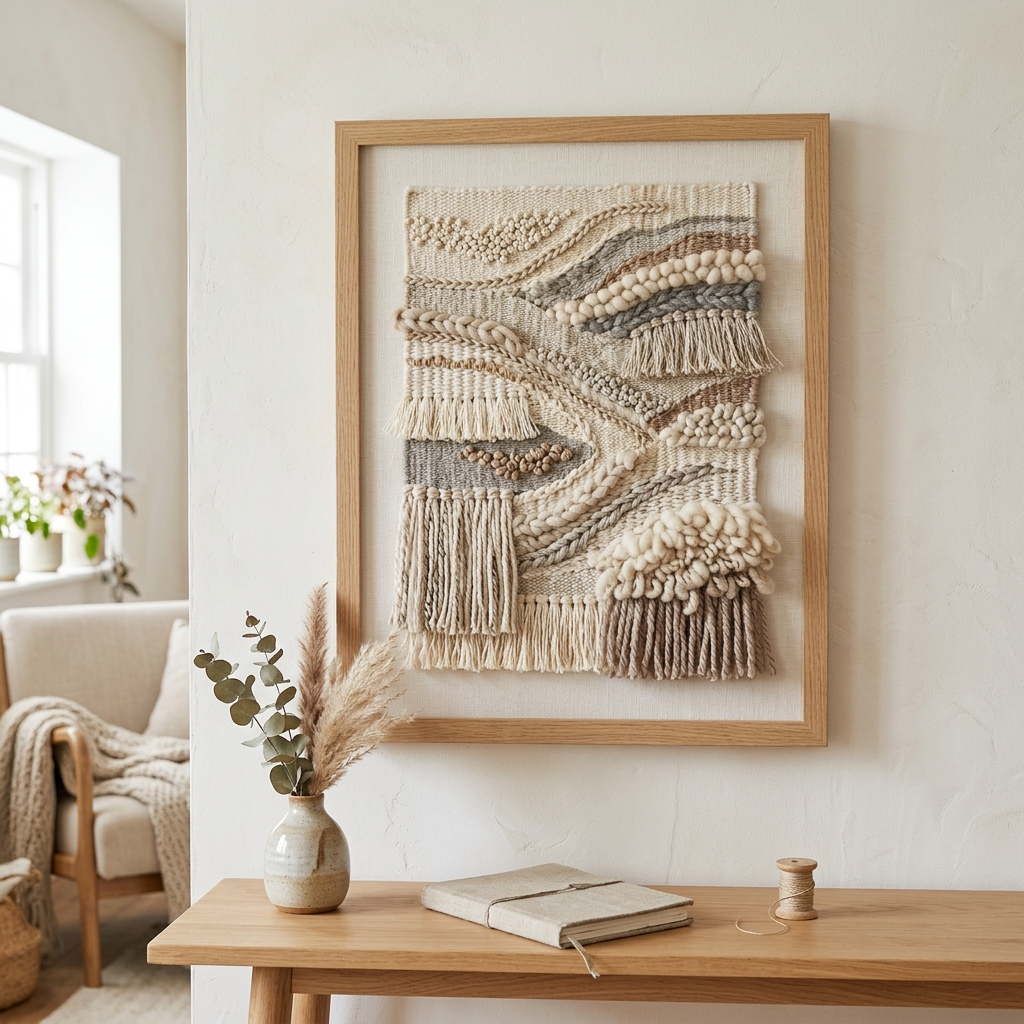
Creating textured fabric wall art through slow crafting techniques offers far more than just attractive home décor-it provides a meaningful connection to traditional crafts, sustainable living practices, and the deep satisfaction of working with your hands. By following our carefully curated expert guides, you'll avoid the frustration of trial-and-error learning while still maintaining the personal discovery that makes this craft so rewarding.
The resources we've selected represent the clearest, most comprehensive instruction available, each chosen for its ability to guide you successfully through different approaches and skill levels. From beginner-friendly framed fabric displays to more advanced sculptural techniques, these expert-tested methods will help you create artwork that reflects both your personal aesthetic and the mindful intention of slow crafting.
At HowTo.Monster, we believe your time is precious, especially when dedicated to meaningful creative pursuits. By aggregating these proven resources, we've eliminated the guesswork and given you a clear path forward in your fabric art journey. Trust in these expert recommendations, gather your materials with intention, and embrace the meditative rhythm of slow crafting-your walls (and your well-being) will thank you for it.
Apparatus & Materials
| Item | Cost | |
|---|---|---|
| ◆ Decorative Fabric Scraps Quilting cotton, linen, or canvas pieces that won't easily fray or stretch, used for creating textured layers and visual interest. | $10–$30 | Buy now |
| ◆ Embroidery Needles Medium-sized eye needles with thin, long shafts designed for embroidery work, sizes 5-10 recommended for medium weight fabrics. | $5–$15 | Buy now |
| ◆ Embroidery Scissors Small, sharp scissors for detail work, trimming threads, and making precise cuts in delicate areas of the artwork. | $12–$35 | Buy now |
| ◆ Embroidery Thread DMC embroidery thread or perle cotton thread for creating decorative stitches and bringing the artwork to life with color and texture. | $15–$40 | Buy now |
| ◆ Fabric Scissors Sharp, quality scissors dedicated to cutting fabric cleanly without fraying, essential for preparing materials and trimming threads. | $35–$100 | Buy now |
| ◆ Foundation Fabric Cotton muslin or quilt batting serves as the base for slow crafting fabric wall art, providing structure and support for decorative stitching. | $8–$20 | Buy now |
| Embroidery Hoop Circular frame that holds fabric taut while stitching, making it easier to create even, controlled embroidery work. | $8–$25 | Buy now |
Notes on the sources
The ranking at right reflects our editorial judgment after reading each source in full. For a summary of this entry in brief, see the source ranked first. For the chemistry and underlying principles, see the last.