Combine traditional quilting with contemporary design to create beautiful textured wall hangings. This guide features expert resources for fiber artists looking to add tactile interest to any room.
Introduction
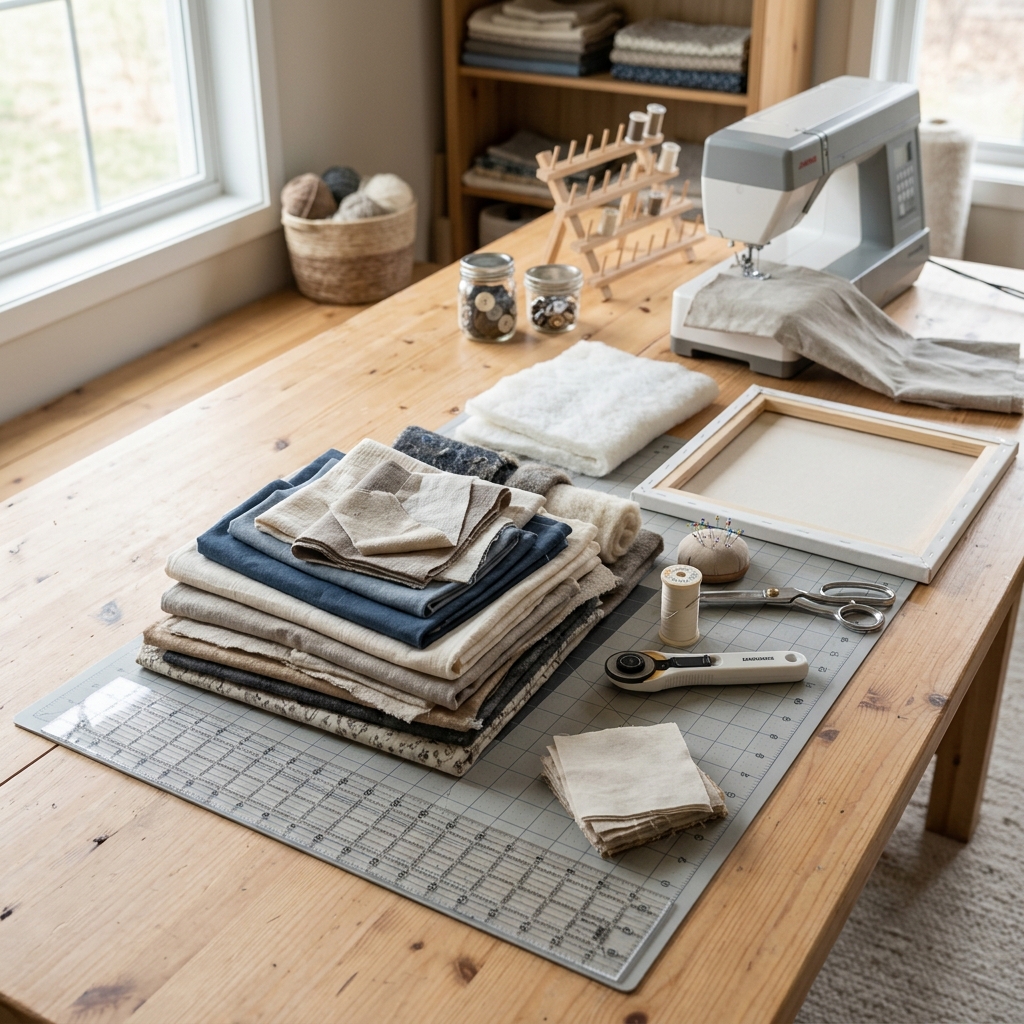
Textured fabric wall art represents a beautiful fusion of traditional quilting craftsmanship and contemporary artistic expression. By combining various quilting techniques with creative fabric layering, you can transform ordinary fabric scraps into stunning dimensional artwork that adds warmth, color, and tactile interest to any living space.
This curated guide brings together the most valuable resources from quilting experts and fiber artists who specialize in creating textured fabric wall hangings. Rather than sifting through countless tutorials of varying quality, you'll find carefully selected guides that offer proven techniques, professional insights, and clear instruction from trusted sources in the quilting community.
Whether you're an experienced quilter looking to explore artistic applications or a beginner drawn to the forgiving nature of fabric wall art, these resources will guide you through different approaches-from quilt-as-you-go methods perfect for scrap utilization to sophisticated appliqué techniques that create gallery-worthy pieces.
Overview
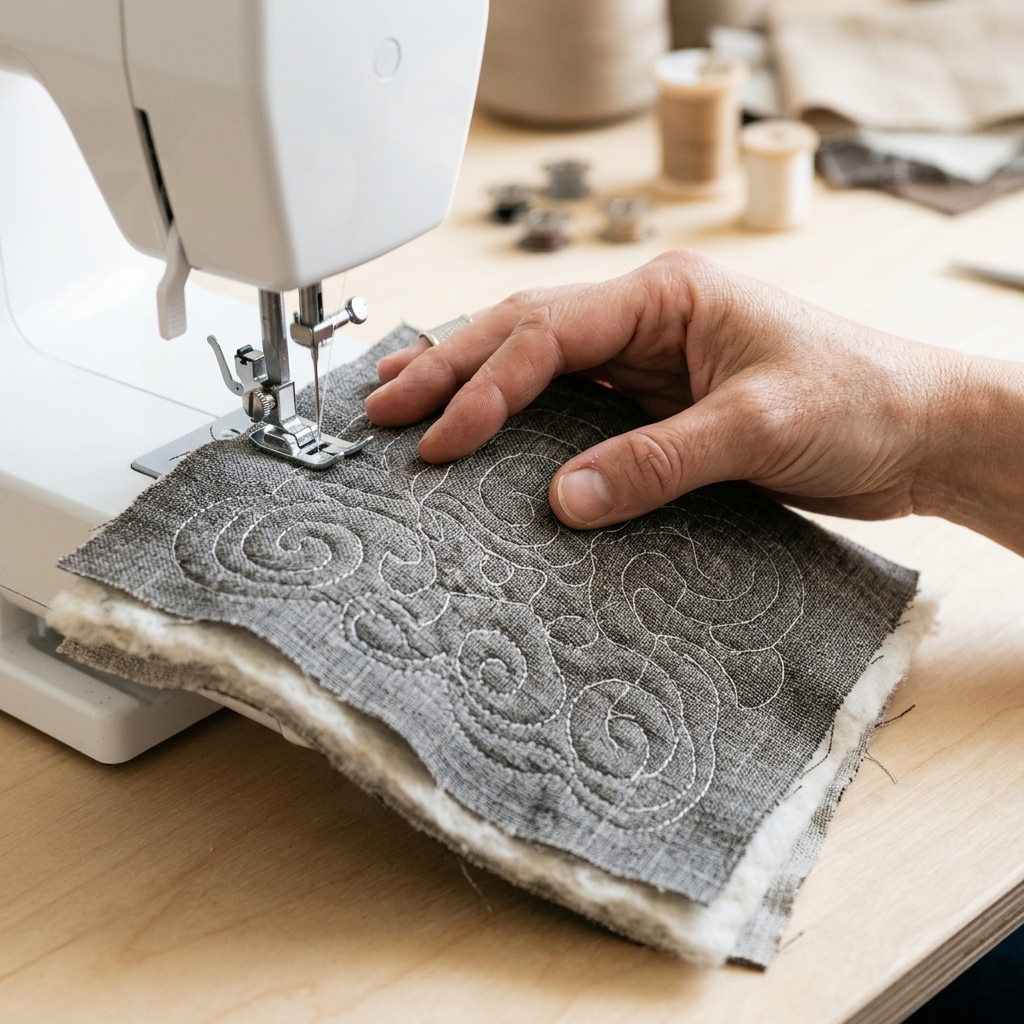
Creating textured fabric wall art using quilting techniques begins with selecting fabrics that offer varying textures, weights, and visual interest while maintaining compatibility for quilting construction. The process typically involves choosing a foundation method-such as quilt-as-you-go, appliqué, or string piecing-that serves as the structural basis for your artistic composition.
The magic happens through layering fabrics with batting to create dimensional effects, then securing these layers using various quilting methods including free-motion quilting, straight-line quilting, or decorative stitching. This combination of traditional quilting construction with artistic freedom allows you to build texture gradually, adjusting your design as the piece develops. Three-dimensional elements are often enhanced through techniques like fabric folding, tucking, pleating, or strategic layering that creates shadow and depth.
The final steps involve adding finishing touches through edge treatments, mounting considerations, and display preparation that transforms your quilted textile into professional-looking wall art. The beauty of this approach lies in its flexibility-you can combine multiple techniques within a single piece, work at your own pace, and create something entirely unique that reflects your personal artistic vision while utilizing fundamental quilting skills.
Tips & Considerations
Fabric Selection Strategy: Stick to 100% natural fibers like cotton when using heat-activated fusible webbing, as synthetic materials can melt under hot irons and create permanent damage to your artwork
Texture Balance Planning: Combine fabrics of similar weights but varying textures (smooth cotton with nubby chambray or linen blends) to create visual interest without construction challenges that come from dramatically different fabric behaviors
Batting Choice Impact: Select batting with appropriate loft for your desired effect-thicker polyester batting dramatically enhances quilted texture and creates more dramatic shadows, while thinner cotton batting provides subtle dimension perfect for detailed work
Scale and Viewing Distance: Consider where the piece will hang and typical viewing distance when planning texture density-fine details get lost when viewed from across a room, while bold textures maintain impact at any distance
Foundation Stability: Ensure your backing and mounting method can support the weight of dimensional elements, especially when using multiple fabric layers, thick batting, or three-dimensional embellishments that add significant bulk
Work Surface Management: Use a large cutting mat or design wall when planning your composition, as textured pieces can be difficult to visualize when working in small sections without seeing the overall effect
Thread Selection Strategy: Choose quilting thread colors that either blend seamlessly for subtle texture or contrast dramatically for bold linear elements-thread becomes part of the artistic design, not just functional construction
Heat and Pressing Caution: Use pressing techniques rather than dragging the iron across dimensional surfaces, which can flatten carefully created texture and distort fabric placement
Conclusion
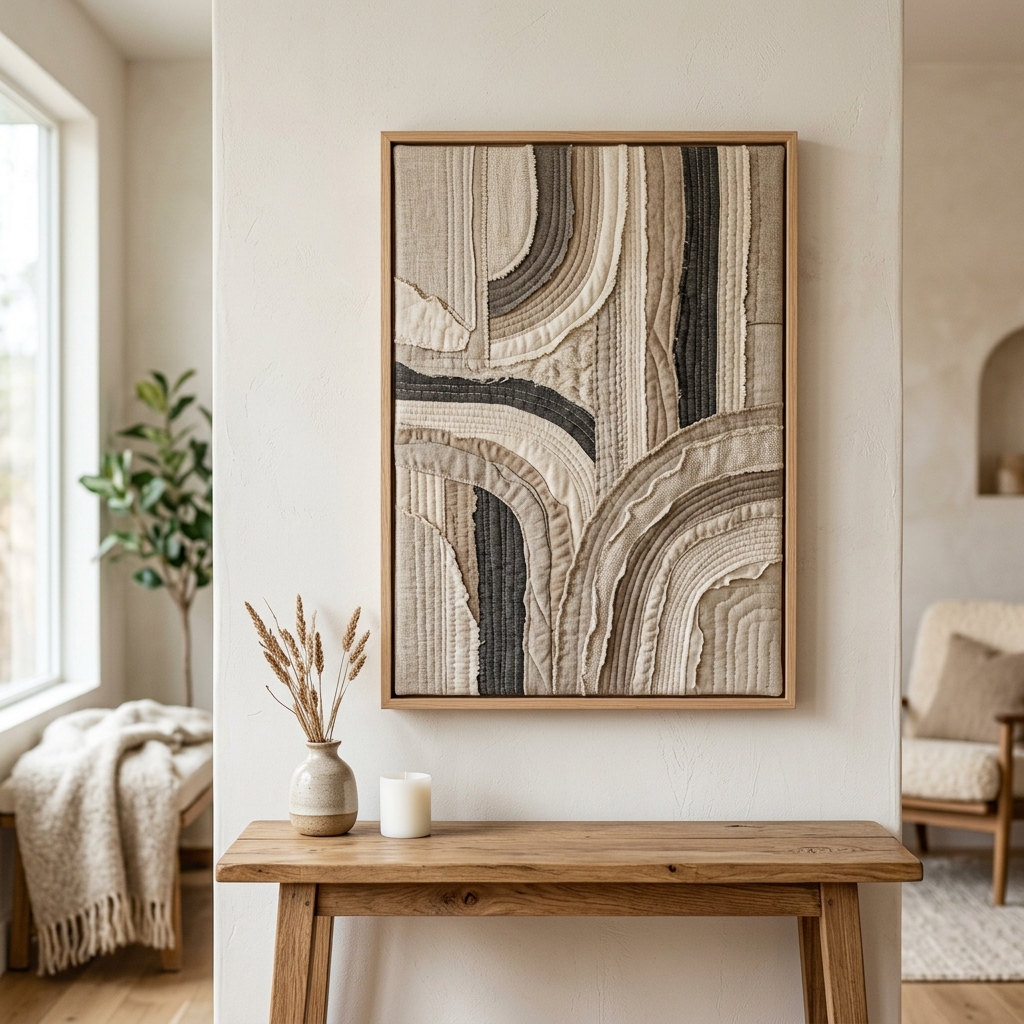
Creating textured fabric wall art through quilting techniques offers an incredibly rewarding way to combine traditional craftsmanship with personal artistic expression. The curated resources we've selected represent the best guidance available from experienced quilters and fiber artists who understand both the technical requirements and creative possibilities of this versatile medium.
By following these expert-recommended approaches, you'll save valuable time and avoid common pitfalls while learning proven techniques that consistently produce beautiful results. Each guide offers unique perspectives and methods, allowing you to choose the approach that best matches your skill level, available time, and artistic vision.
HowTo.Monster's careful curation process ensures you're learning from trusted sources who have refined their techniques through years of practice and teaching. These aren't random internet tutorials-they're carefully selected resources that will help you create textile art you'll be proud to display in your home or give as meaningful handmade gifts.
Apparatus & Materials
| Item | Cost | |
|---|---|---|
| ◆ 100% Quilting Cotton Fabric Primary fabric material that won't melt under hot iron when fusing. Multiple pieces needed for creating textured patterns and appliqué work. | $8–$15 | Buy now |
| ◆ Batting/Wadding Indispensable layer that adds loft and dimension. Polyester batting with more thickness helps emphasize texture and quilting patterns. | $12–$25 | Buy now |
| ◆ Fusible Webbing Adhesive material used to hold appliqué pieces in place before stitching. Prevents raveling and makes the process quicker and more forgiving. | $6–$12 | Buy now |
| ◆ Hot Iron Essential tool for fusing webbing and pressing seams. Must be capable of high heat for proper fabric fusion without melting synthetic materials. | $25–$80 | Buy now |
| ◆ Quilting Thread Specialized thread for quilting that creates visible texture through stitching. Color choice affects the final artistic appearance. | $4–$8 | Buy now |
| ◆ Sewing Machine with Darning Foot Required for free-motion quilting and creating decorative stitching patterns. Darning foot allows fabric to move freely for artistic quilting effects. | $150–$500 | Buy now |
| Mixed Texture Fabrics Additional fabric types like corduroy, chambray, or linen blends that add varied textures when combined with quilting cotton. | $10–$20 | Buy now |
| Quilting Rulers Tracing tools used for marking straight lines and geometric patterns on fabric before quilting. | $15–$35 | Buy now |
Notes on the sources
The ranking at right reflects our editorial judgment after reading each source in full. For a summary of this entry in brief, see the source ranked first. For the chemistry and underlying principles, see the last.