Achieve a luxurious spa atmosphere on a tiny budget using simple materials and strategic design. We've curated the most effective makeover strategies from top DIY experts to save you money.
Introduction
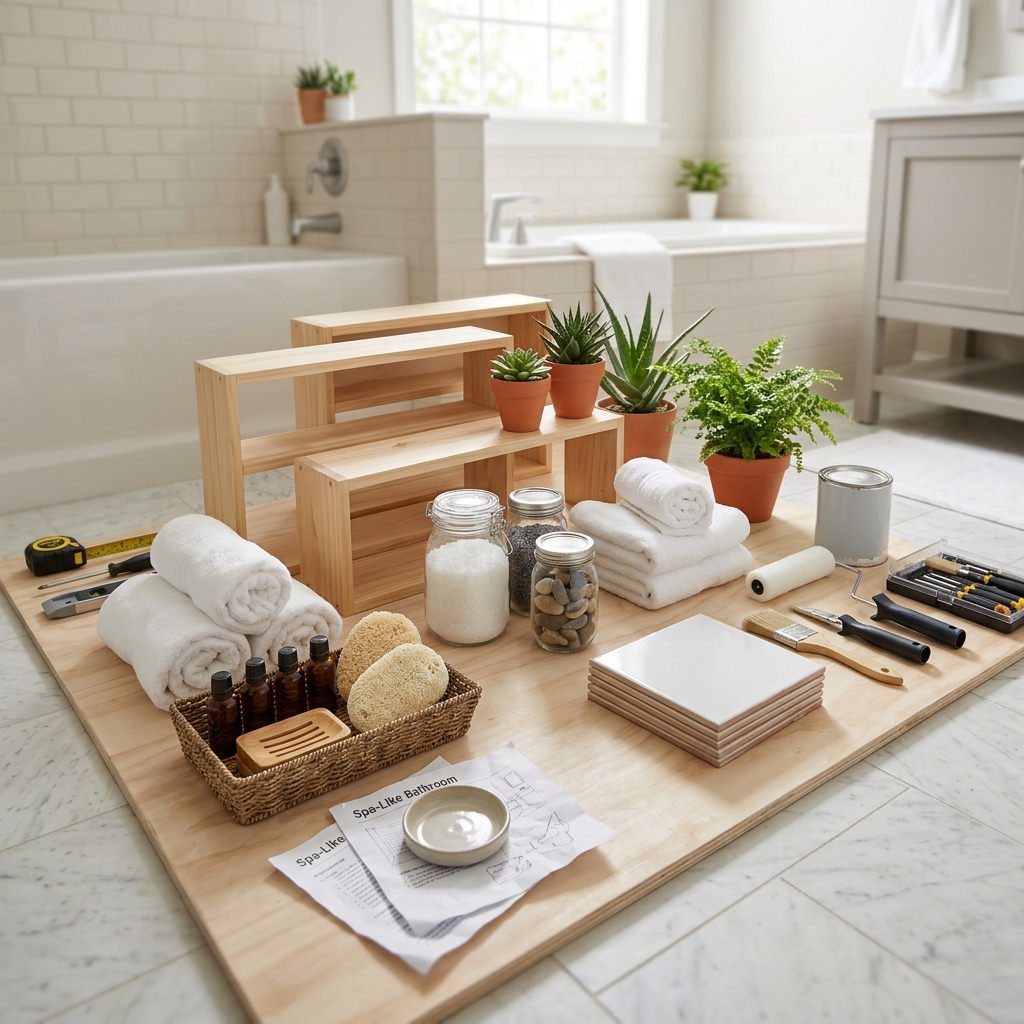
Creating a spa-like bathroom sanctuary doesn't require a major renovation or designer budget. With strategic use of paint, natural elements, ambient lighting, and homemade spa accessories, you can transform your existing bathroom into a tranquil retreat that rivals expensive day spas. The key is knowing which changes deliver the biggest visual and sensory impact for your money.
This curated guide brings together the most effective budget bathroom transformation strategies from proven DIY experts and successful makeover projects. We've researched and compiled the best resources to help you navigate the overwhelming amount of advice online and focus on methods that actually work within a tight $50 budget. You'll discover how to prioritize your spending, create maximum impact with minimal investment, and achieve that coveted spa atmosphere through simple but strategic changes.
Overview
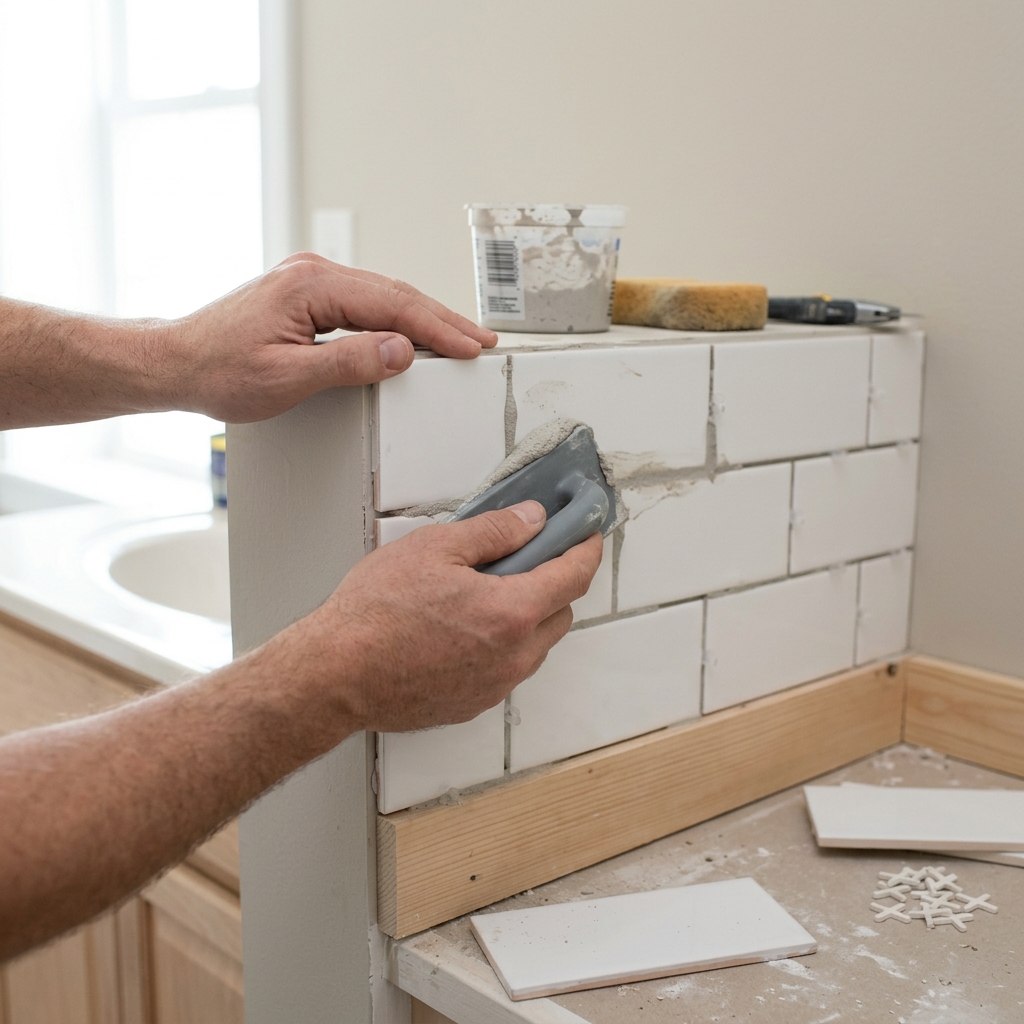
The spa bathroom transformation process typically starts with establishing a calming color foundation, which forms the visual backbone of your new space. Most successful budget makeovers allocate roughly half their budget to paint or removable color solutions, focusing on soft, muted tones like sage green, warm gray, or spa blue that instantly create a more tranquil atmosphere.
The remaining budget gets distributed across three key areas: natural elements for organic beauty, ambient lighting for mood, and DIY spa accessories for the authentic experience. This might include fresh eucalyptus for aromatherapy, strategic candle placement for soft lighting, and homemade bath products using simple ingredients like Epsom salts and essential oils. The magic happens in the layering - each element works together to engage multiple senses while maintaining the clean, uncluttered aesthetic that defines spa environments.
The transformation focuses on working with your existing fixtures and layout rather than replacing major elements. This approach makes the project accessible to renters and homeowners alike, with many solutions being completely removable or reversible when needed.
Tips & Considerations
Test paint colors first - Bathroom lighting can dramatically change how colors appear, so test paint samples in different lighting conditions before committing to a full gallon
Prioritize moisture-resistant materials - All DIY products and decorative elements must withstand high humidity; avoid materials that can develop mold or deteriorate quickly
Start with decluttering - Remove excess products and accessories before adding new elements; a spa aesthetic depends on clean, minimalist surfaces
Focus on scent layering - Combine eucalyptus, candles, and essential oils strategically rather than overwhelming the space with competing fragrances
Plan storage solutions - New spa products and accessories need organized homes to maintain the clean aesthetic; repurpose existing containers before buying new ones
Consider rental restrictions - If renting, prioritize removable solutions like peel-and-stick tiles, temporary wallpaper, or paint that can be easily changed back
Invest in quality basics - A few high-quality natural elements (like real eucalyptus) create more impact than many cheap synthetic accessories
Test DIY recipes first - Always test homemade bath products on a small skin patch before full use to avoid allergic reactions or skin irritation
Conclusion
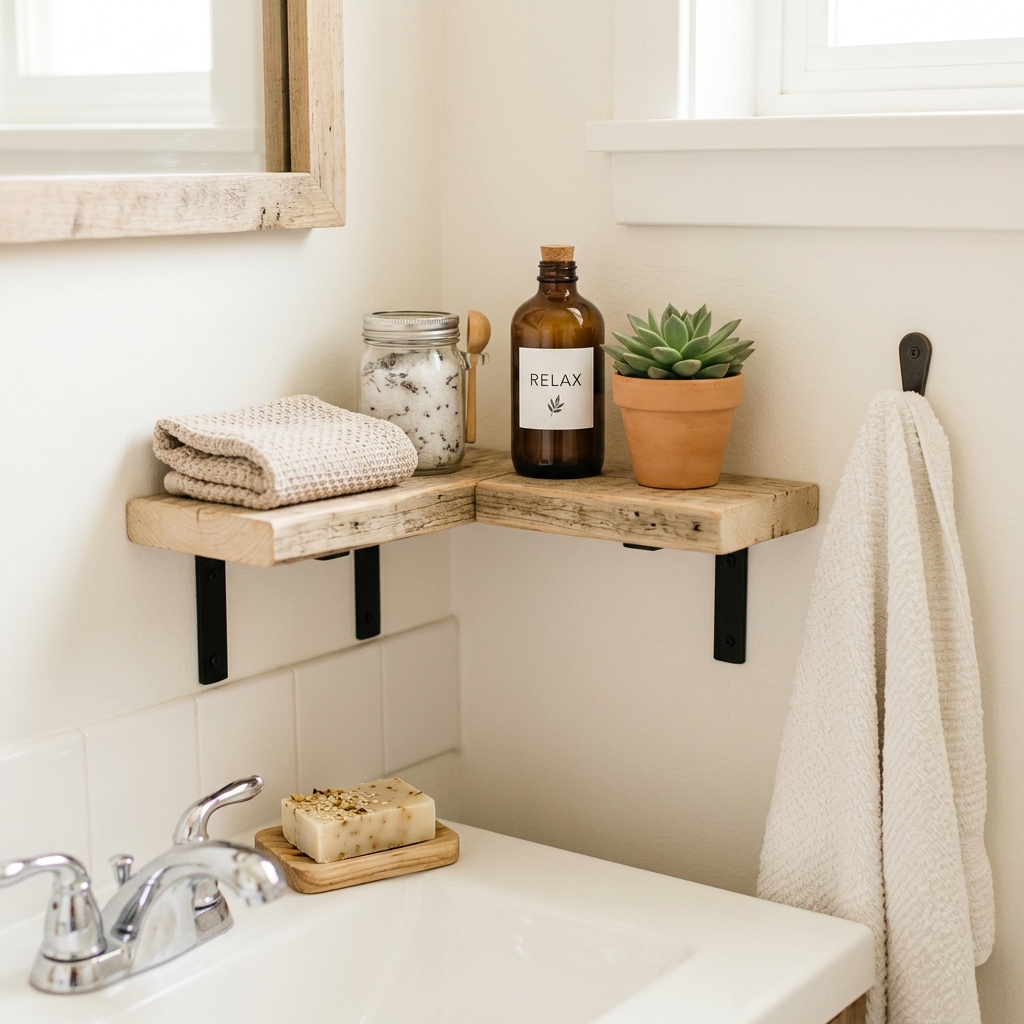
Creating a spa-like bathroom on a $50 budget is entirely achievable when you know where to focus your efforts and money. The expert guides we've curated represent hours of research into the most effective, budget-friendly transformation strategies that have been proven to work in real homes. Rather than spending time sorting through countless generic listicles, these handpicked resources will guide you through specific, actionable steps that deliver genuine results.
By following the detailed instructions in our recommended guides and using the carefully selected materials list, you'll be able to create a personalized spa retreat that serves as your daily escape from stress. The investment in your bathroom becomes an investment in your well-being, providing a space for relaxation and self-care that pays dividends every single day.
Your spa bathroom transformation is just a weekend project away. With the right guidance and a modest budget, you'll soon be enjoying the luxury of a high-end spa experience in the comfort of your own home.
Apparatus & Materials
| Item | Cost | |
|---|---|---|
| ◆ Essential Oils Lavender or eucalyptus oils for aromatherapy benefits in DIY bath products and general spa ambiance. | $4–$8 | Buy now |
| ◆ Fresh Eucalyptus Bundle Natural eucalyptus stems to hang from showerhead or display in vase for spa scent and visual appeal. | $5–$10 | Buy now |
| ◆ Paint (1 gallon) Soft neutral paint in spa colors like muted blues, greens, or warm grays to transform walls and create a calming atmosphere. | $22–$30 | Buy now |
| ◆ Scented Candles Aromatherapy candles to create ambient lighting and spa-like fragrance in the bathroom space. | $5–$10 | Buy now |
| Baking Soda Key ingredient for making DIY bath bombs to create luxurious spa experience at home. | $2–$4 | Buy now |
| Epsom Salts Essential ingredient for DIY bath salts and bath bombs to create relaxing spa treatments. | $3–$6 | Buy now |
| Glass Jar Container for storing homemade bath salts and displaying spa products attractively. | $3–$7 | Buy now |
| Natural Sponge or Loofah Natural bathing accessory to enhance spa experience and complement the organic bathroom aesthetic. | $2–$5 | Buy now |
Notes on the sources
The ranking at right reflects our editorial judgment after reading each source in full. For a summary of this entry in brief, see the source ranked first. For the chemistry and underlying principles, see the last.