Transform your bathroom into a luxurious spa retreat using household items you already own, with expert guidance from trusted home improvement professionals.
Introduction
Creating a spa-like bathroom experience doesn't require a massive budget or professional renovation-it simply requires knowing which strategies actually work and how to implement them effectively. The desire for a personal sanctuary has never been stronger, yet many people assume luxury bathroom transformations are financially out of reach.
This curated guide brings together the most effective advice from trusted home improvement experts like Bob Vila and specialized budget decorating professionals. Rather than sifting through countless generic articles, you'll discover proven methods that focus specifically on repurposing items you likely already have at home. By following expert-vetted approaches, you can achieve that coveted spa atmosphere through strategic organization, creative repurposing, and thoughtful ambiance adjustments.
What makes this approach particularly valuable is its sustainability and accessibility-you're not just saving money, you're learning to see the potential in everyday household items while creating a space that promotes daily wellness and relaxation.
Overview
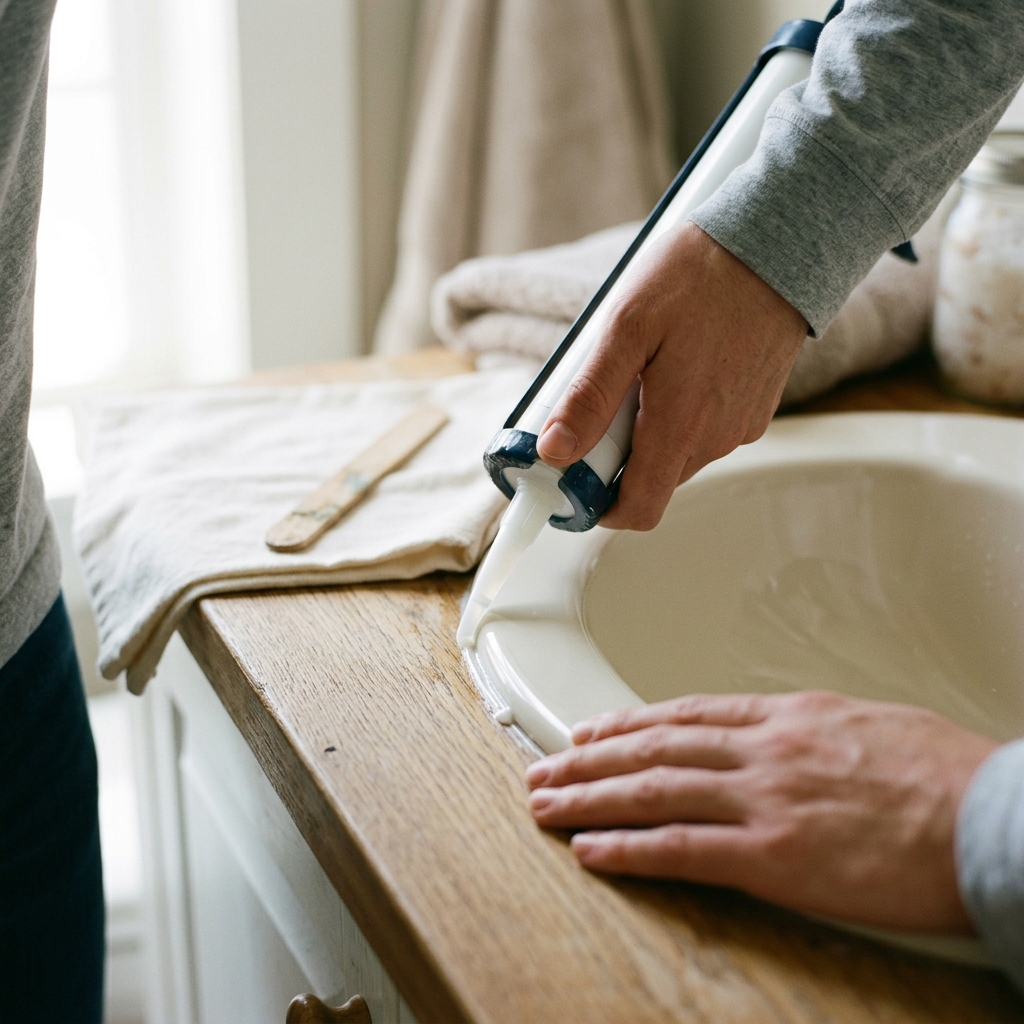
The spa bathroom transformation process centers on three core principles: establishing a clean, minimalist foundation; repurposing everyday items into elegant storage solutions; and enhancing the sensory experience through lighting, scent, and natural elements. The journey typically begins with decluttering and deep cleaning to create that essential spa-like sense of open, serene space.
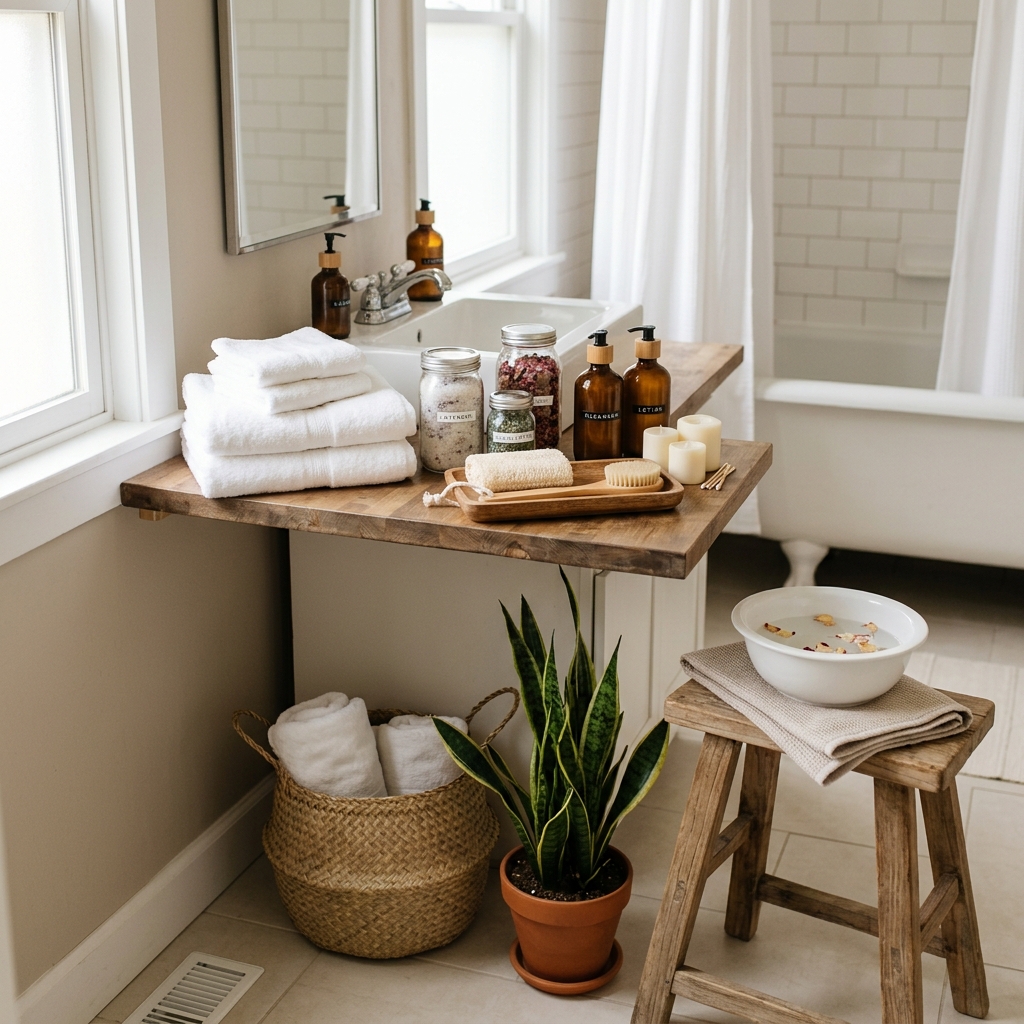
The transformation then focuses on reimagining common household items-mason jars become elegant storage containers, trays create organized vanity displays, baskets provide stylish organization, and existing candles establish ambient lighting. This approach leverages the key insight that spa luxury comes primarily from thoughtful organization and atmosphere rather than expensive fixtures or products.
The enhancement phase involves incorporating natural elements from your kitchen or garden (like eucalyptus or dried herbs), adjusting existing lighting for mood, and creating DIY aromatherapy experiences using pantry staples. The recommended expert guides provide detailed implementation steps for each of these phases, with visual examples and specific techniques that have been tested and proven effective by home improvement professionals.
Tips & Considerations
Test moisture resistance of repurposed items before permanent placement-bathrooms' high humidity can damage certain materials like untreated wood or paper-based organizers over time
Prioritize stability and safety when repurposing containers or creating storage solutions, especially for items that will hold heavy products near wet areas
Start with decluttering first rather than adding new organizational systems-experts consistently emphasize that spa environments require negative space and visual calm before any enhancements
Consider your existing color palette when selecting which household items to repurpose, as cohesive colors create a more professional, spa-like appearance than mismatched containers
Maintain proper ventilation when adding natural elements like plants or essential oils to prevent moisture buildup and ensure longevity of your improvements
Focus on one sensory element at a time during implementation-tackle organization first, then lighting, then scents-to avoid overwhelming the space or yourself during the process
Choose multipurpose solutions that serve both functional and aesthetic purposes, such as attractive baskets that provide storage while adding natural texture
Plan for easy maintenance by selecting organizational systems and decorative elements that can be easily cleaned and don't require constant upkeep
Conclusion
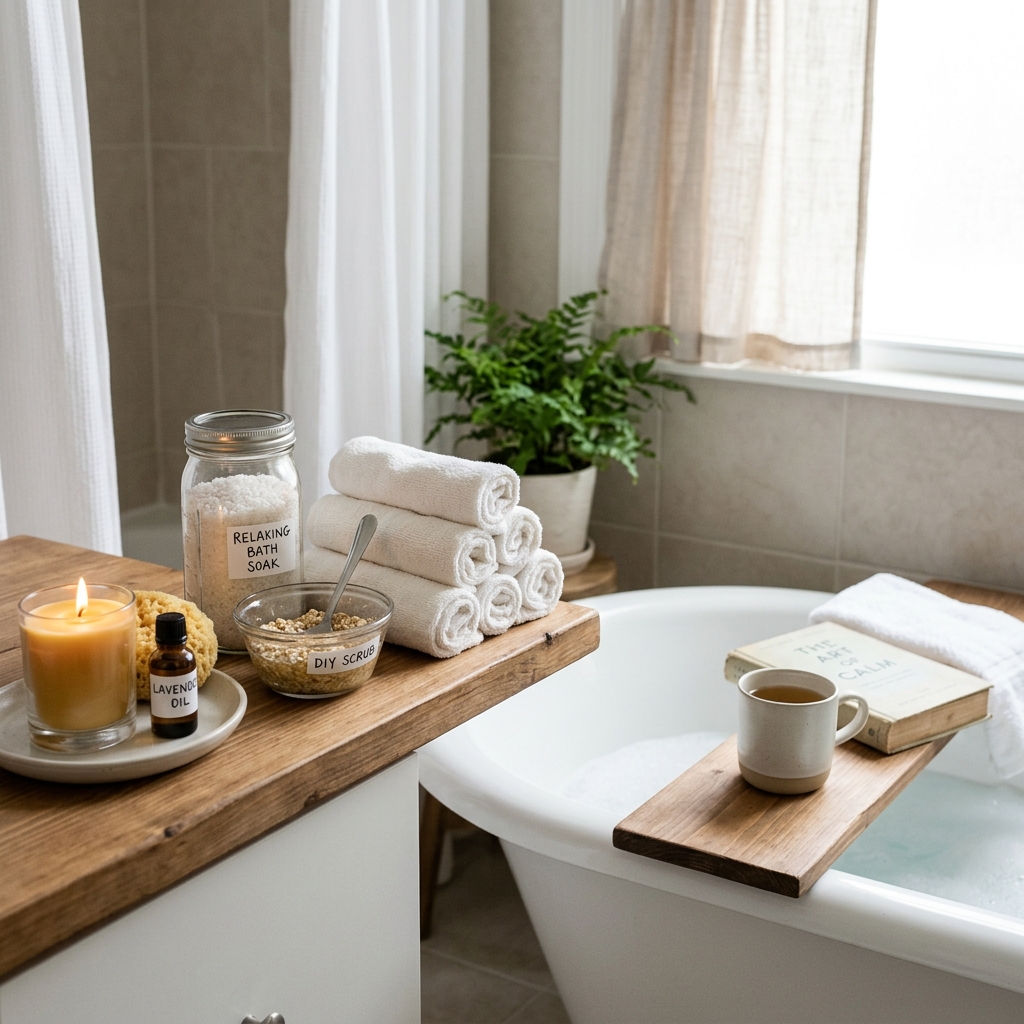
Creating a spa-worthy bathroom using items you already own represents both smart budgeting and creative problem-solving at its finest. The expert resources curated here have been selected because they provide actionable, tested strategies rather than vague inspiration, giving you confidence that your efforts will yield genuine results.
The beauty of this approach lies not just in its affordability, but in its sustainability and personalization potential. By following guidance from trusted home improvement professionals, you're learning valuable skills that extend beyond this single project-you're developing an eye for transformation and repurposing that will serve you throughout your home.
Take the time to explore these recommended expert guides thoroughly, as each offers unique insights and specific techniques that complement each other beautifully. Your perfect spa retreat is closer than you think, and with the right guidance, you'll be amazed at what you can achieve with creativity, intention, and items that are probably sitting in your closets right now.
Apparatus & Materials
| Item | Cost | |
|---|---|---|
| ◆ Candles Use existing candles to create ambient lighting and set a relaxing mood for the spa atmosphere. | $10 | Buy now |
| ◆ Cleaning Supplies Basic cleaning products for deep cleaning and decluttering the bathroom space to create a spa foundation. | $5 | Buy now |
| ◆ Storage Containers/Baskets Repurpose existing mason jars, trays, or baskets to organize toiletries and create a clutter-free environment. | $3 | Buy now |
| Epsom Salts Inexpensive bath salts for creating luxurious soaking experience and incredibly soft skin. | $2–$6 | Buy now |
| Eucalyptus or Natural Elements Fresh or dried eucalyptus from grocery store or garden herbs to hang from showerhead for aromatherapy. | $3–$8 | Buy now |
| Kitchen Pantry Items Use existing dried citrus, cinnamon, and herbs from kitchen to make homemade potpourri and bath scrubs. | $2 | Buy now |
Notes on the sources
The ranking at right reflects our editorial judgment after reading each source in full. For a summary of this entry in brief, see the source ranked first. For the chemistry and underlying principles, see the last.