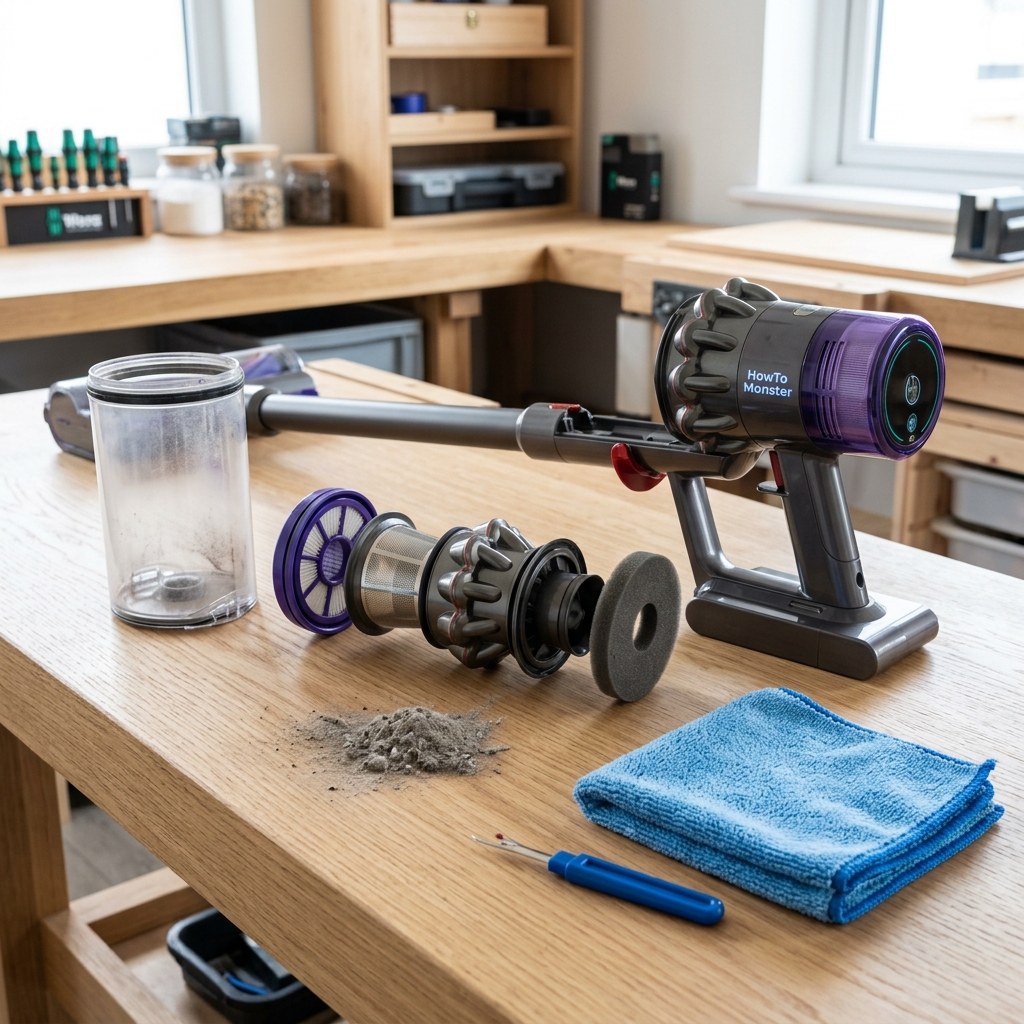
Is your vacuum spitting out dirt or making a high-pitched whistle? It’s likely not broken—it’s just choked. Here is the definitive 4-zone airflow audit to restore original suction.
The 4-Zone Airflow Audit
When a vacuum loses suction, most people check the bin and stop there. But a vacuum is an airflow system. If any one of the four key zones is blocked, the whole machine fails. Follow this diagnostic audit to find the bottleneck.
Zone 1: The Brush Head (The Hair Rope Problem)
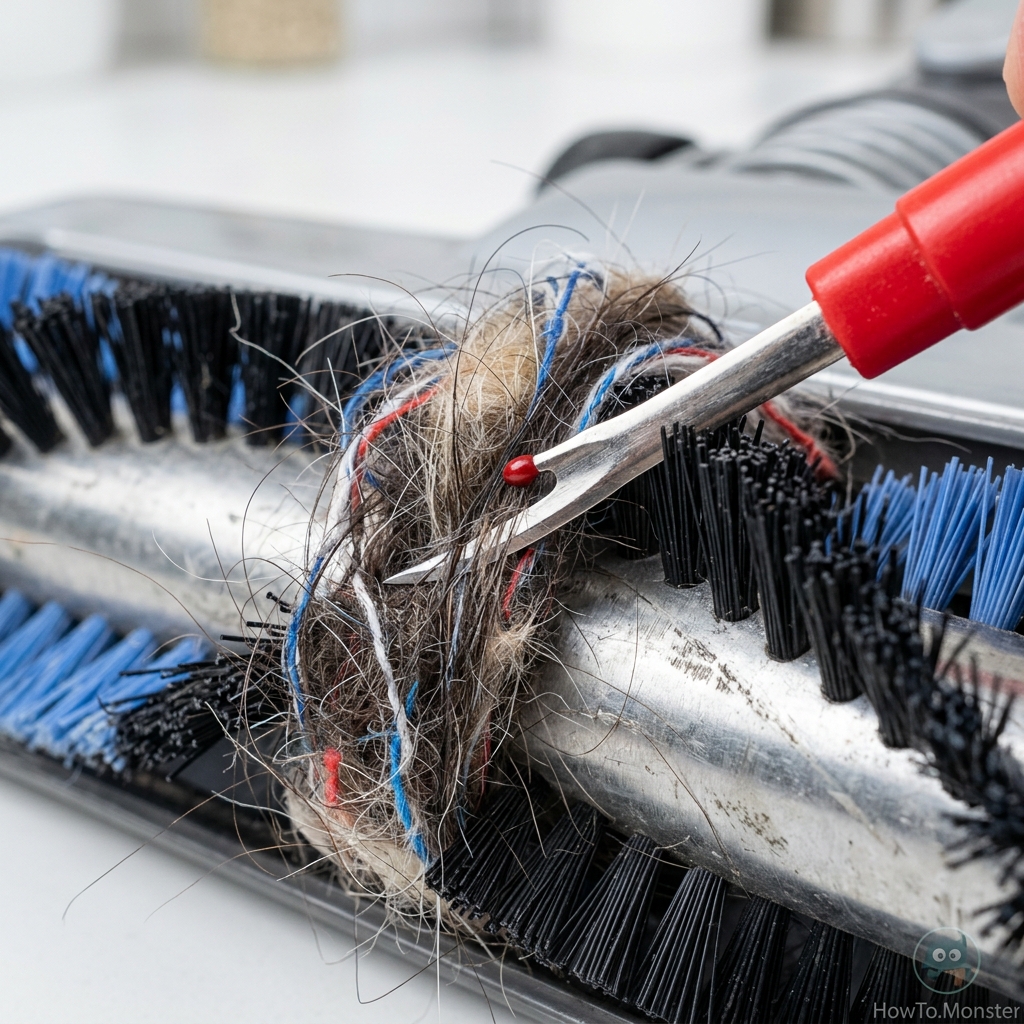
Flip your vacuum over. If the brush roll (beater bar) is covered in a thick carpet of hair and string, it can’t agitate your carpet fibers. This puts massive strain on the motor and drive belt.
The Seam Ripper Hack: Don’t use kitchen scissors; they are too bulky and risk slicing the drive belt. Use a seam ripper (the small tool from a sewing kit). Slide the rounded safety tip under the hair tangle and slice upward. The hair will fall away in neat sections without damaging the bristles or the belt.
Zone 2: The Wand and Hose (The Diagnostic Duo)
If the motor sounds high-pitched or 'strained,' you likely have a physical clog in the airway.
- The Flashlight Test: Remove the hose and shine a bright light through it. If you don’t see a clear circle of light, you have a partial blockage of lint or pet hair.
- The Coin Drop Test: Drop a quarter through the top of your vertical extension wand. If it doesn't fall out the bottom instantly, use a broom handle to gently push the obstruction through.
Zone 3: The Pre-Motor Filter (The 24-Hour Rule)
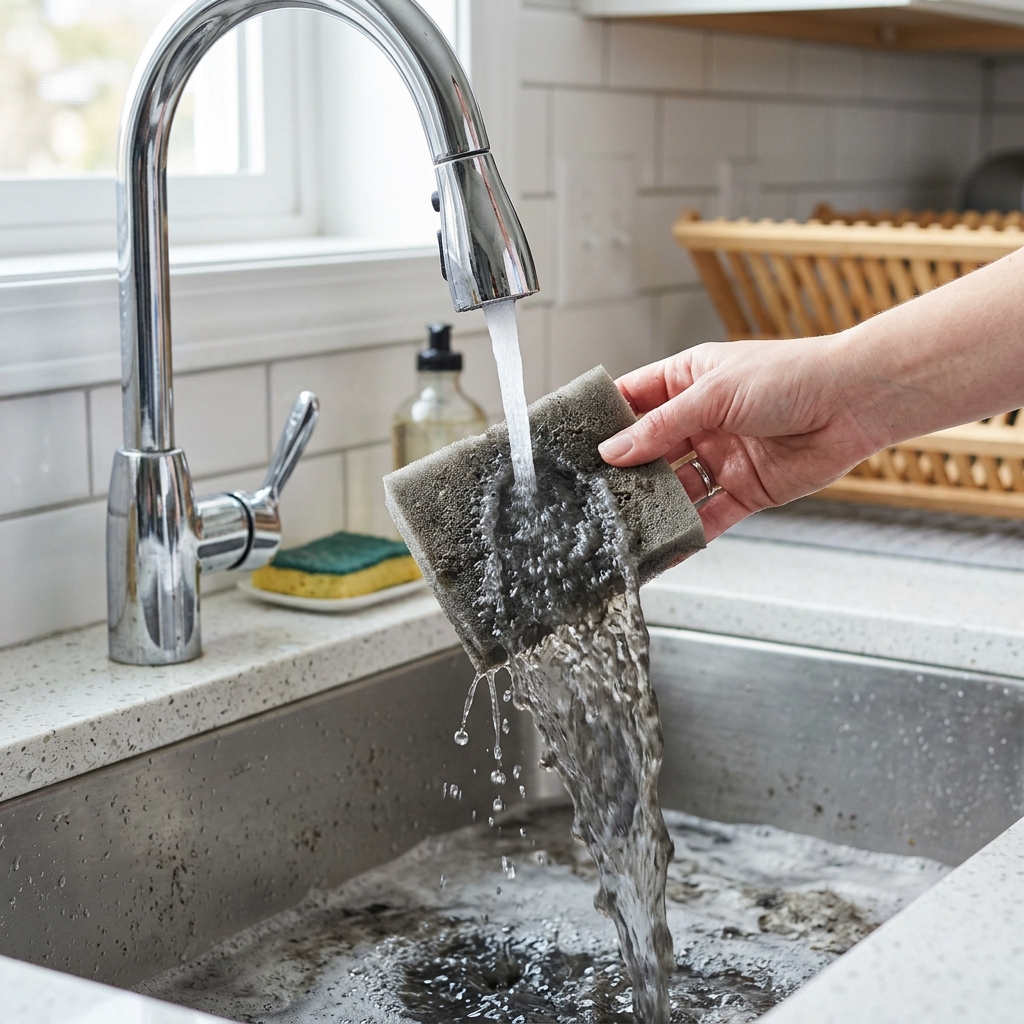
This is the foam or felt filter located before the motor. It catches the fine dust the bin misses.
How to Clean: Rinse it under cool running water. Squeeze gently—do not wring or twist. Continue until the water runs clear.
The Mandatory 24-Hour Rule: NEVER put a damp filter back in. Moisture will be sucked into the motor, causing instant electrical failure or permanent mold growth. Let filters air-dry for at least 24 hours (48 in humid climates) until bone dry.
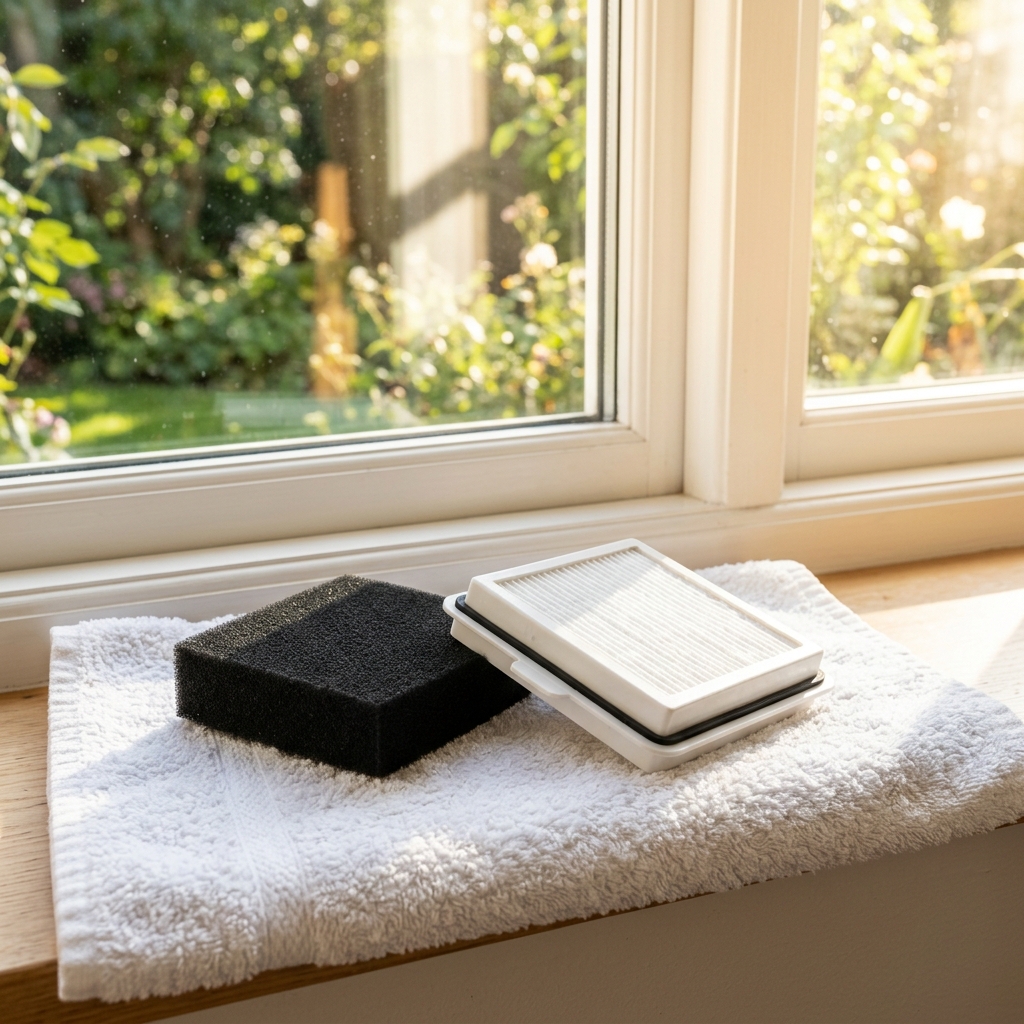
Zone 4: The HEPA Filter (Washable vs. Disposable)
Most modern vacuums have a post-motor HEPA filter.
- If it's paper-based (pleated accordion style): Do NOT wash it. Water will cause the fibers to swell and permanently block airflow. Tap it gently against a trash can or use compressed air to blow out dust.
- If it's synthetic/foam: You can wash it following the same steps as the pre-motor filter.
Odor Removal and Final Reset
If your vacuum smells like 'wet dog,' wash the plastic dustbin with warm, soapy water. For the cyclone assembly (the clear cones), do not use water. Use compressed air to blow out the fine silt that traps odors.
Wipe the exterior with a microfiber cloth, reassemble once everything is dry, and enjoy the return of your vacuum’s original suction power.
Apparatus & Materials
| Item | Cost | |
|---|---|---|
| ◆ Compressed Air | $10 | — |
| ◆ Microfiber Cloths | $5 | — |
| ◆ Mild Dish Soap | Free | — |
| ◆ Seam Ripper | $4 | — |
Notes on the sources
The ranking at right reflects our editorial judgment after reading each source in full. For a summary of this entry in brief, see the source ranked first. For the chemistry and underlying principles, see the last.