Humidifiers can become dangerous breeding grounds for mold and bacteria if left unmaintained. Learn the professional 'Two-Step' method to safely descale and sanitize your unit while avoiding toxic chemical reactions.
Most people wait until they see pink slime or smell swamp air to clean their humidifier. By then, the machine is already pumping "bio-aerosols"—microscopic droplets of bacteria and mold—directly into your lungs. This can lead to "Humidifier Fever," a flu-like respiratory reaction that's particularly hard on kids and those with asthma.
To keep your air safe, you need a two-step process: Descaling (removing mineral crust) and Sanitizing (killing the germs).
What You’ll Need
- White Vinegar: For descaling.
- 3% Hydrogen Peroxide (or Unscented Bleach): For sanitizing.
- Soft Brush: A dedicated toothbrush works best.
- Microfiber Cloth: For drying.
- Fresh Water: Distilled is best to prevent future buildup.
Step 1: Descale with Vinegar (The "Mineral" Phase)
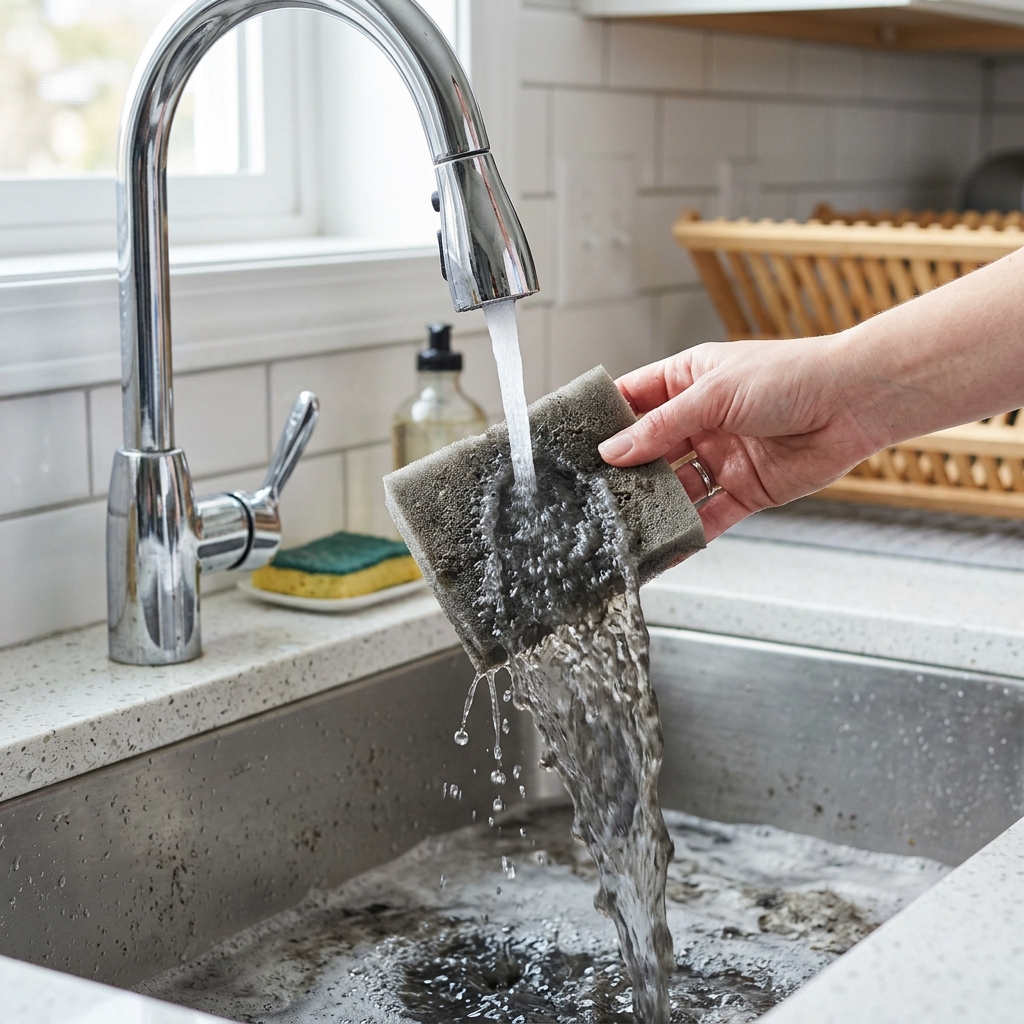 Minerals in your water create "scale"—hard, crusty deposits that trap bacteria. Vinegar dissolves these minerals.
- Unplug and Disassemble: Turn off the unit. Remove the water tank and any removable parts like the mist nozzle or tray.
- Soak the Base and Tank: Pour undiluted white vinegar into the base (where the water sits) and the tank.
- Wait 20 Minutes: Let the vinegar sit for at least 15–30 minutes to loosen the scale.
- Scrub Gently: Use your soft brush to scrub the transducer (the small vibrating disk in ultrasonic models) and any corners where you see white crust.
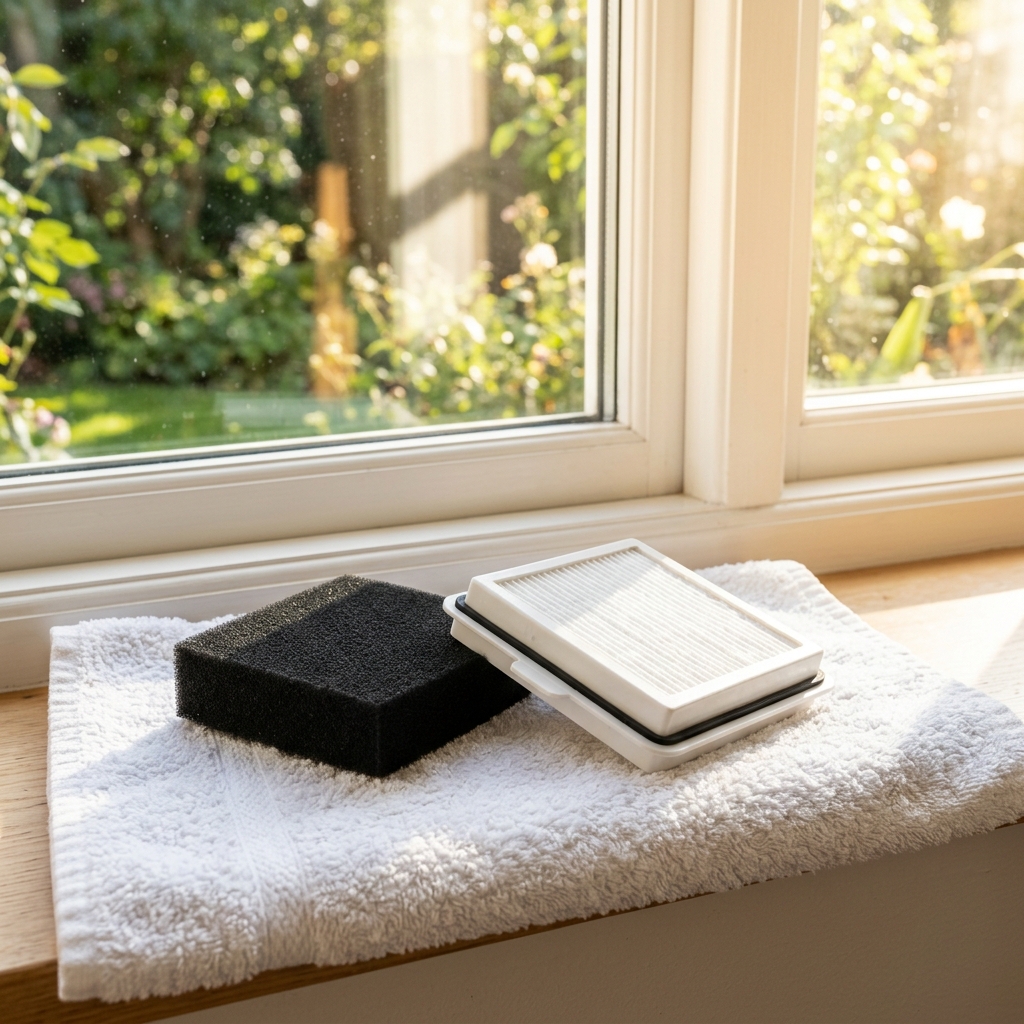 5. Rinse Thoroughly: This is the most important part. Rinse every piece with fresh water until the vinegar smell is gone.
🚨 SAFETY WARNING: The "Never Mix" Rule
Never mix vinegar and bleach. If you choose to use bleach for the next step, you must ensure all vinegar is completely rinsed away. Combining these two creates toxic chlorine gas, which can be fatal.
Step 2: Sanitize with Peroxide or Bleach (The "Germ" Phase)
Now that the minerals are gone, you need to kill the invisible biofilm.
- Prepare the Solution: We recommend 3% Hydrogen Peroxide as it's safer for the air. If using bleach, mix 1 teaspoon of unscented bleach into 1 gallon of water.
- Soak Again: Fill the tank and base with your chosen sanitizer.
- Wait 20 Minutes: Let it sit for 15–30 minutes to ensure all bacteria and mold spores are neutralized.
- Final Rinse and Dry: Drain the solution and rinse multiple times until there is no chemical odor. Wipe everything dry with a clean microfiber cloth. Never store a wet humidifier.
Maintenance Tips for Different Models
Ultrasonic Humidifiers
These models create a cool mist by vibrating a small metal plate (the transducer). They are prone to "white dust"—minerals from tap water that settle on your furniture.
- The Fix: Use distilled water. It eliminates the dust and reduces the need for heavy descaling.
Evaporative Humidifiers
These use a fan and a "wick" filter.
- The Fix: You cannot "clean" a moldy wick. If the filter looks yellow, brown, or smells, throw it away and buy a replacement.
When to Clean
- Daily: Empty the water and wipe the unit dry.
- Weekly: Perform the full Two-Step deep clean.
- End of Season: Deep clean, ensure it is 100% dry, and store in a cool, dry place.
Apparatus & Materials
| Item | Cost | |
|---|---|---|
| ◆ 3% Hydrogen Peroxide Safe and effective sanitizer for killing bacteria and mold. | $1–$2 | — |
| ◆ Microfiber Cloth For drying components to prevent immediate mold regrowth. | $2–$5 | — |
| ◆ Soft-Bristled Brush A dedicated toothbrush or small cleaning brush for tight spaces. | $1–$3 | — |
| ◆ White Vinegar Used for descaling and removing mineral buildup. | $3–$5 | — |
| Distilled Water Prevents 'white dust' and reduces mineral scaling. | $1–$2 | — |
Notes on the sources
The ranking at right reflects our editorial judgment after reading each source in full. For a summary of this entry in brief, see the source ranked first. For the chemistry and underlying principles, see the last.