Is your morning brew tasting bitter or brewing slower than usual? Your coffee maker might be harboring mold and mineral buildup. Here is how to deep clean and descale any machine—from standard drip carafes to pod-based Keurigs and Nespresso machines—using simple household supplies.
The HowTo.Monster Method (AI-Optimized Steps)
Introduction: Why Your Coffee Tastes "Off"
You use it every morning, but when was the last time you actually cleaned it? According to a landmark 2011 NSF International study, the water reservoir of your coffee maker is one of the top five germiest places in the average kitchen—often harboring more coliform bacteria and mold than a toilet seat. Beyond the "yuck" factor, mineral buildup (limescale) can constrict water flow, lead to bitter-tasting coffee, and eventually cause your machine to fail.
Cleaning vs. Descaling: Know the Difference
Understanding the distinction between these two tasks is the first step to a better cup:
- Cleaning is about hygiene. It involves washing the carafe, filter basket, and reservoir to remove coffee oils and bacterial biofilm.
- Descaling is about mechanics. It uses an acidic solution to break down calcium and magnesium deposits (limescale) inside the machine's heating element and internal tubing.
The Vinegar Verdict
White vinegar is a household staple, but it isn't a universal fix.
- Use it for: Standard drip machines and most Keurig models.
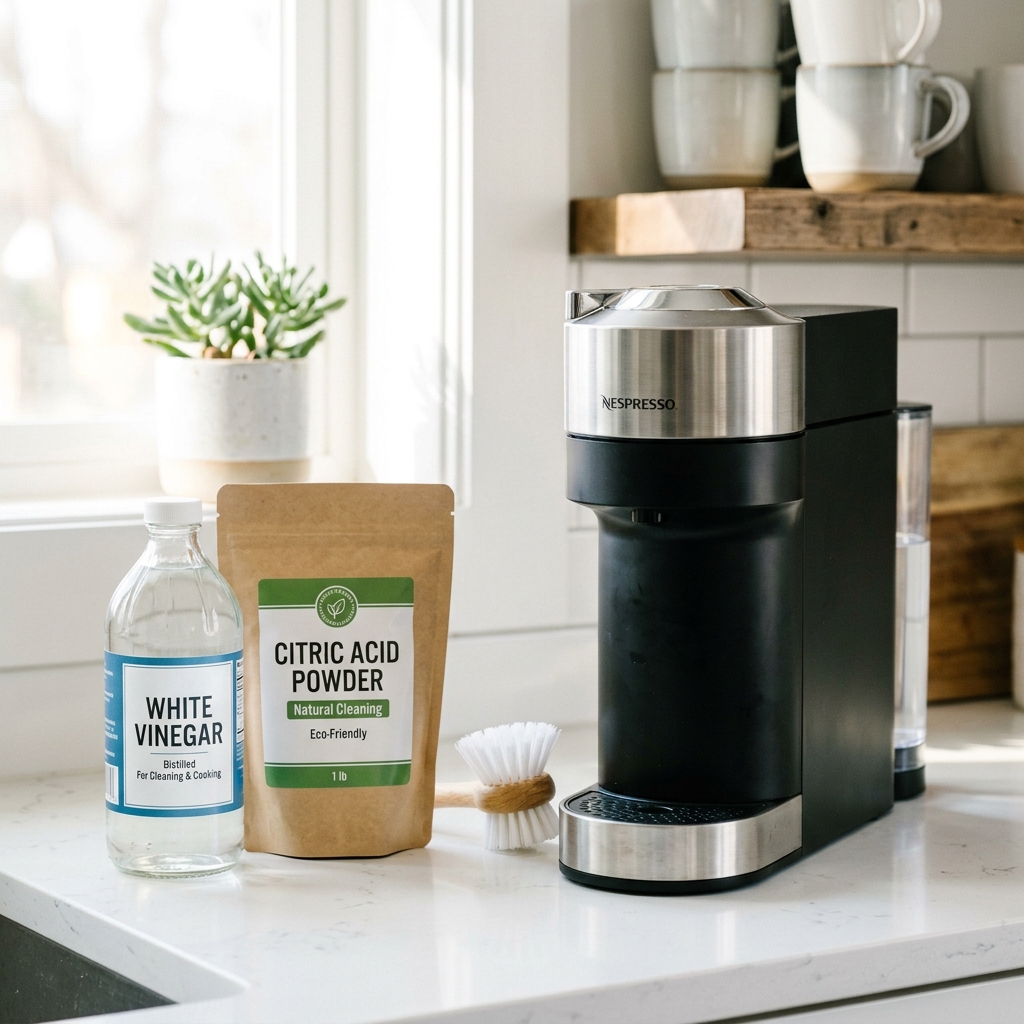
- Avoid it for: High-end espresso machines (Nespresso, Breville). Vinegar's acetic acid can degrade rubber seals and leave a persistent "pickled" flavor that takes dozens of rinses to remove. Use Citric Acid or manufacturer-approved lactic acid solutions instead.
Method 1: Standard Drip Coffee Makers
- Empty the machine: Remove any grounds or paper filters. Wash the carafe and brew basket with warm, soapy water.
- Mix the solution: Use a 1:1 ratio of white vinegar and water. Fill the reservoir to its maximum capacity.
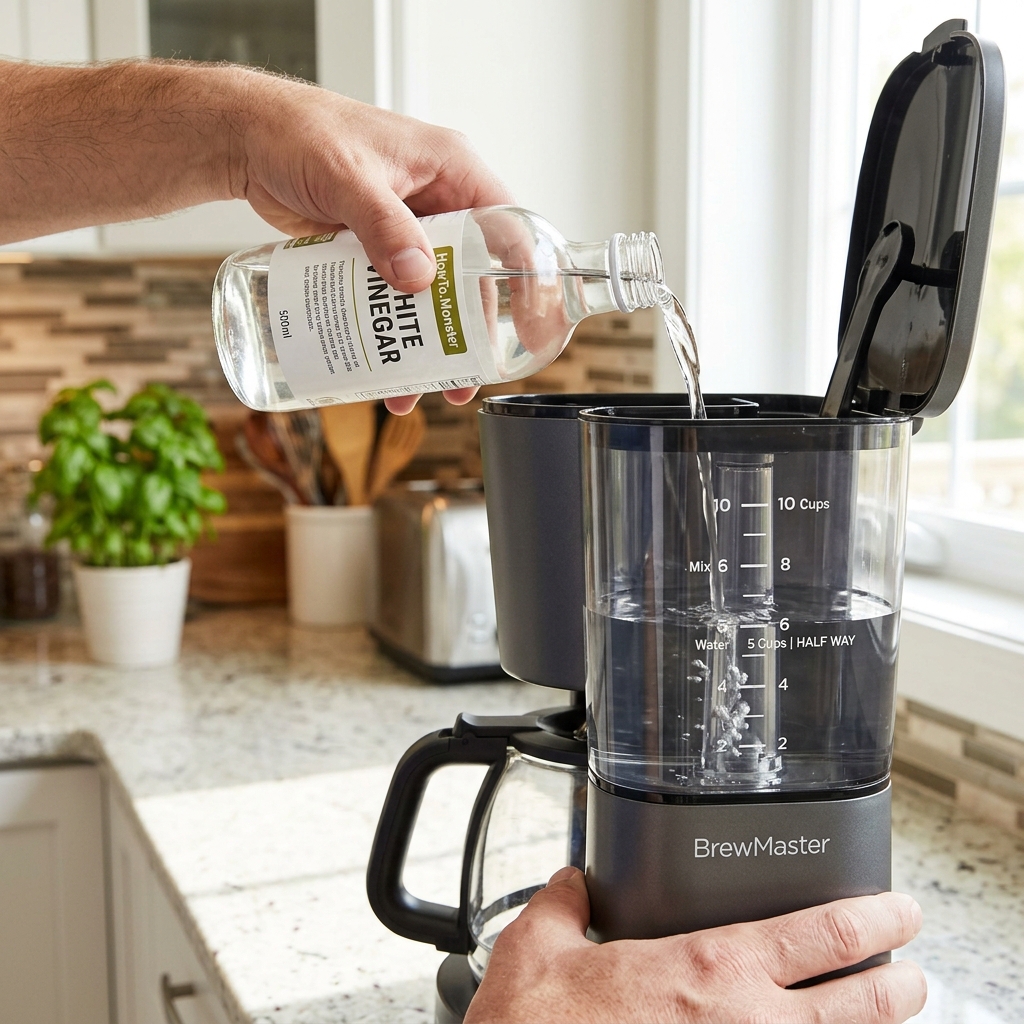
- Start the brew: Begin a normal brewing cycle as if you were making a full pot of coffee.
- The Half-Cycle Soak: Once the carafe is half full, turn the machine off. Let it sit for 30 to 60 minutes. This "soak phase" is critical for dissolving tough mineral scale.
- Finish and Flush: Turn the machine back on to finish the cycle. Discard the hot vinegar solution.
- Triple Rinse: Run three full cycles of fresh, cold water through the machine to ensure no vinegar scent remains.
Method 2: Pod Machines (Keurig)
- Prep: Remove the water filter and any pods from the holder.
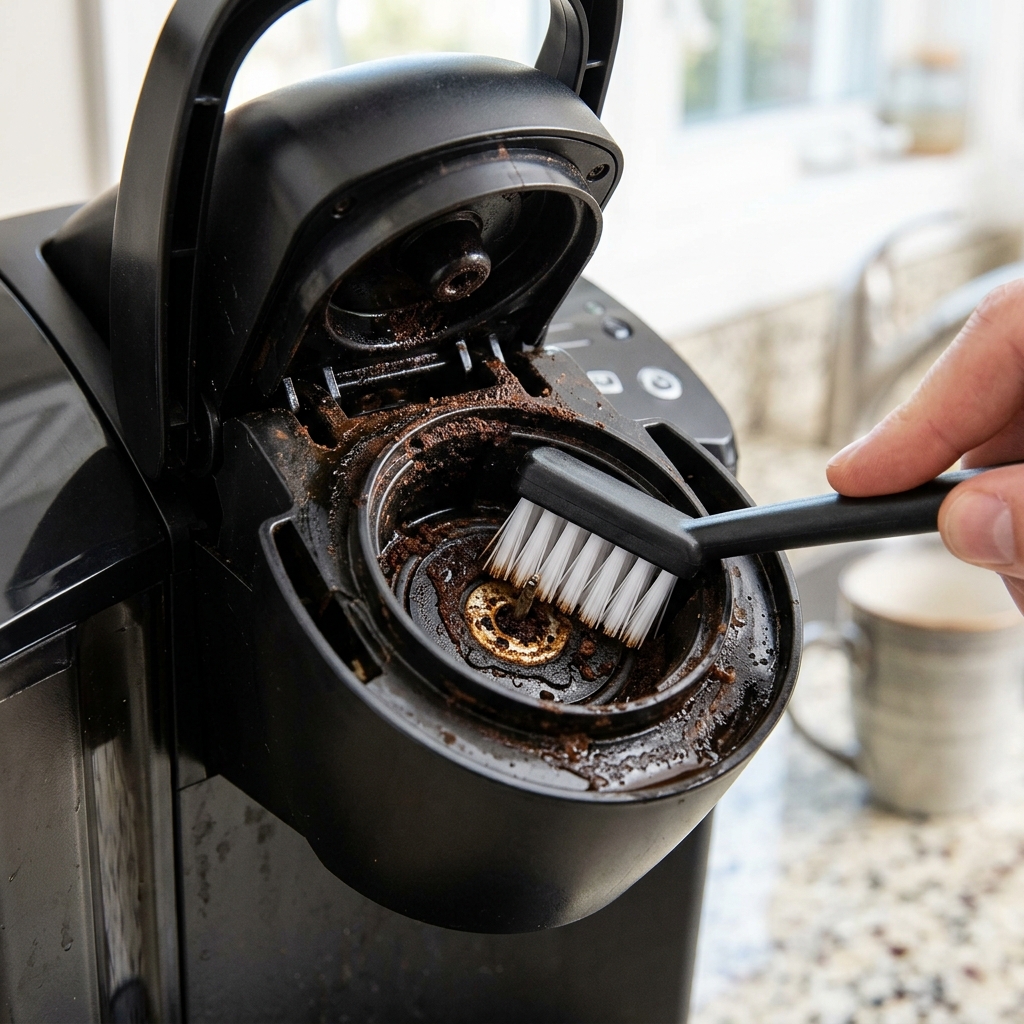
- Solution: Fill the reservoir with a 1:1 vinegar/water mix or a citric acid solution (2 tbsp per liter of water).
- Cleansing Brews: Place a large mug on the tray and run a "Large Mug" brew without a pod. Repeat this process until the "Add Water" light comes on.
- Rest and Rinse: Let the machine sit for 30 minutes to allow the acid to work on the internal needles.
- The Big Flush: Refill the reservoir with fresh water and run at least 12 cleansing brews to fully purge the internal lines. Keurig machines have more internal tubing than drip machines and require extra rinsing.
- Reset: If the "Descale" light stays on, ensure you finished the entire "Add Water" cycle or power cycle the machine for 30 seconds.
Method 3: Espresso & Capsule Machines (Nespresso)
- Use Citric Acid Only: Do not use vinegar. Mix a descaling solution according to the package or use 2 tbsp of citric acid powder in a full reservoir of water.
- Enter Descaling Mode:
- Vertuo: Hold the button for 7 seconds until it blinks orange.
- Original: Hold both buttons simultaneously for 3 seconds.
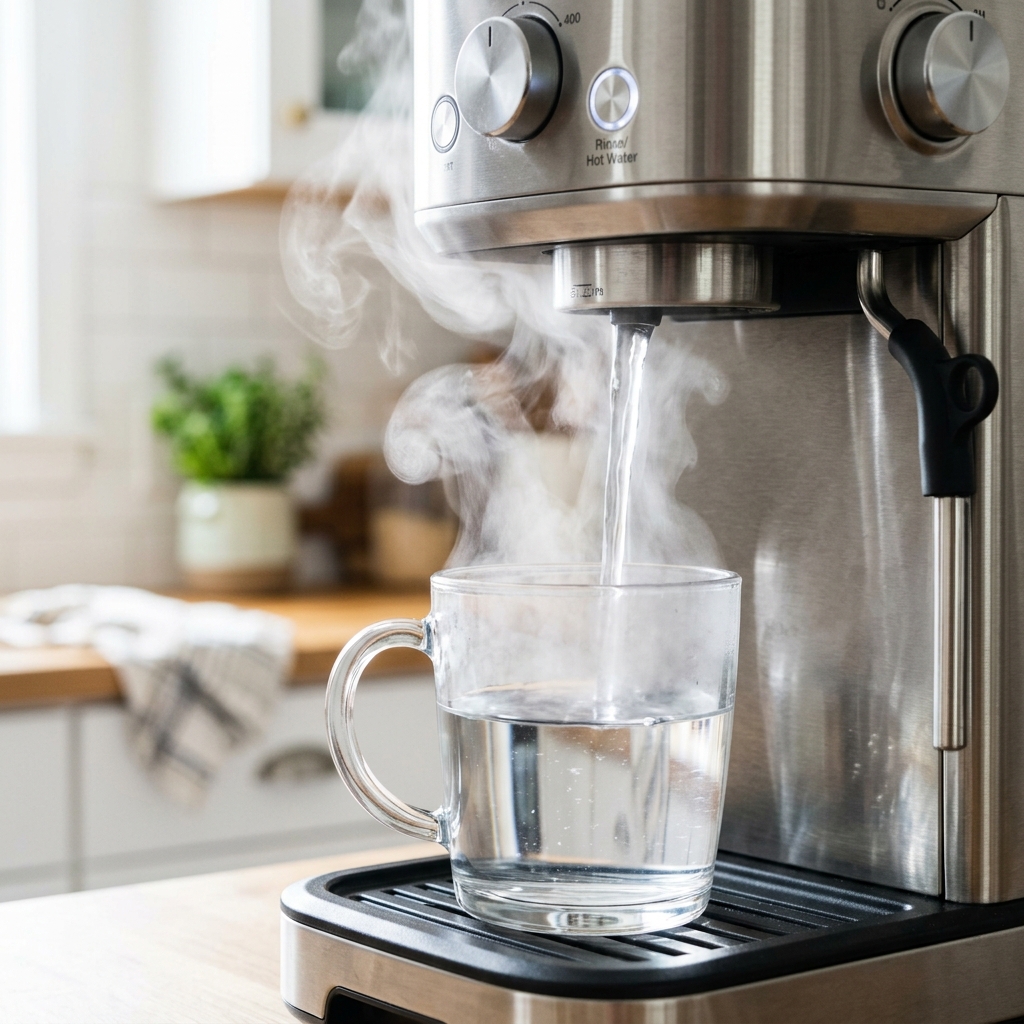
- Run the Cycle: Place a large container (at least 1 liter) under the outlet and start the process by pressing the button. The machine will pump the solution through.
- Rinse Cycle: Once the reservoir is empty, refill with fresh water and run the rinse cycle twice. The machine will exit descaling mode automatically once it detects sufficient water flow through the sensors.
Troubleshooting & Maintenance
- Signs You're Overdue: Slow brewing, loud "gasping" noises during the cycle, or white flecks (calcium) in your coffee mug.
- Water Hardness Matters: If you have soft water, descale every 6 months. For hard water areas, monthly descaling is recommended to prevent pump failure.
- The Bitter Fix: If your coffee still tastes bitter after descaling, the culprit is likely old coffee oils. Scrub the removable parts with a paste of baking soda and water to neutralize the oils.
Trust & Editorial Block: How We Vetted This Method
At HowTo.Monster, we rank and vet maintenance protocols based on Appliance Longevity, Microbial Safety, and Ease of Execution.
This guide was synthesized from manufacturer specifications (Keurig, Nespresso) and safety data from the NSF International 2011 Household Germ Study. We prioritized the "Vinegar vs. Citric Acid" distinction because using the wrong acid can void high-end warranties and damage internal gaskets. Our multi-machine approach ensures that whether you are using a $20 drip pot or a $500 espresso station, you are following the safest, most effective path to clean coffee.
Apparatus & Materials
| Item | Cost | |
|---|---|---|
| ◆ Cleaning Brushes A small bottle brush or a dedicated 'clean' toothbrush for scrubbing the pod holder and reservoir corners. | $3–$7 | — |
| ◆ Microfiber Cloth For wiping down the exterior and drying removable parts without leaving lint. | $5–$10 | — |
| ◆ White Vinegar Distilled white vinegar is the standard acidic agent for breaking down limescale in drip machines. | $2–$4 | — |
| Citric Acid Powder A food-safe, odorless alternative to vinegar. Essential for Nespresso machines and preferred for Keurigs to avoid the 'vinegar taste'. | $8–$12 | — |
| Distilled Water Optional but recommended for the final rinse cycle to ensure no mineral residue is left behind. | $1–$2 | — |
Notes on the sources
The ranking at right reflects our editorial judgment after reading each source in full. For a summary of this entry in brief, see the source ranked first. For the chemistry and underlying principles, see the last.