A curated guide to the best resources for building flexible, customizable storage systems that adapt to small living spaces and changing needs.
Introduction
Small spaces demand smart solutions, and modular storage systems offer the perfect blend of functionality and flexibility. Unlike fixed built-ins that lock you into one configuration, modular storage adapts as your needs change-whether you're rearranging furniture, moving to a new space, or simply accumulating different items over time.
This curated guide connects you with the most practical, tested resources for building your own modular storage solutions. Rather than sifting through countless tutorials of varying quality, we've identified the top guides that offer clear instructions, proven techniques, and reliable results. Our selected resources range from beginner-friendly quick builds to professional-grade systems, ensuring you'll find the right approach for your skill level and space requirements.
By following this curated path, you'll save time researching, avoid common pitfalls, and build storage solutions that truly work for your small space. The beauty of modular systems lies in their ability to grow and change with you-an investment that pays dividends long after your first build.
Overview
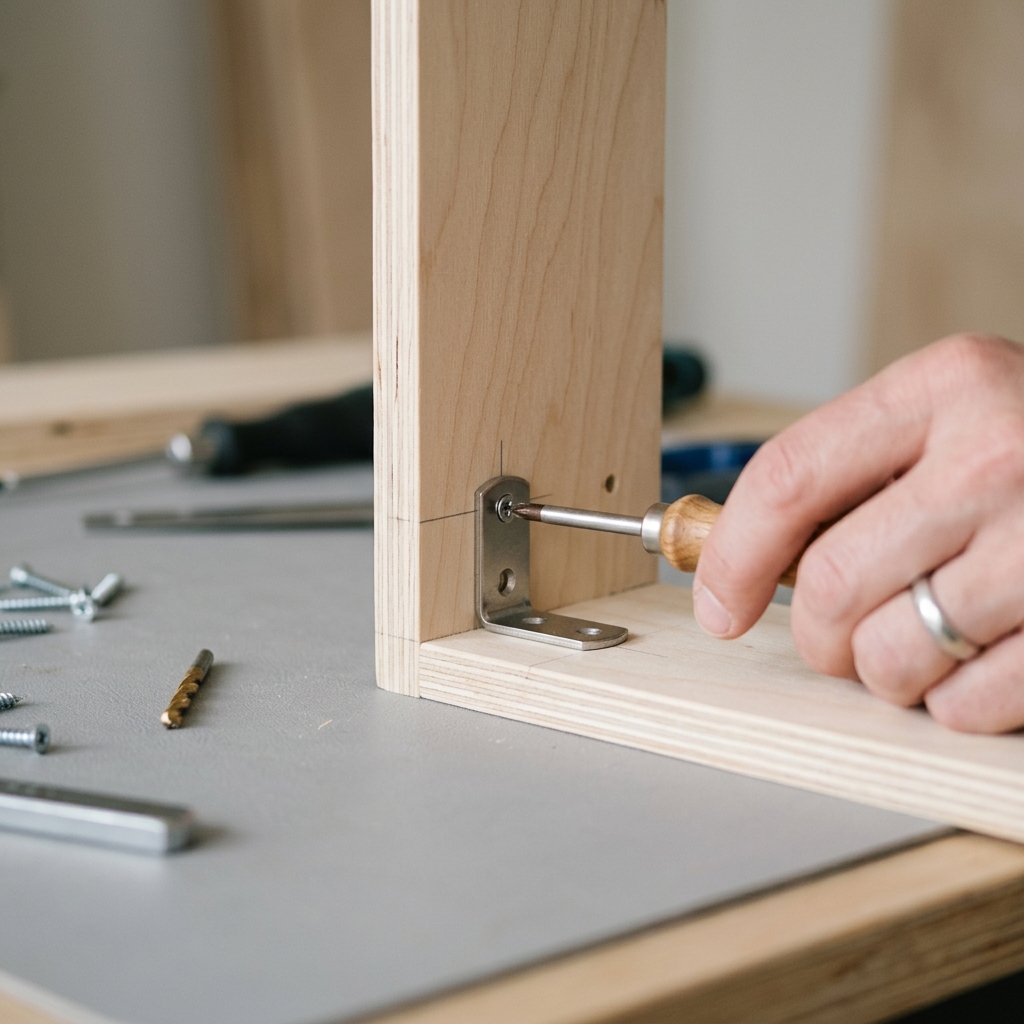
Building modular storage systems centers on creating standardized components that connect, stack, and reconfigure seamlessly. The process typically begins with careful space planning and establishing consistent dimensions-usually based on cube or rectangular modules that serve as your building blocks. Most successful DIY builders start with simple cube units (commonly 12"x12"x12") that can stack vertically, arrange horizontally, or mount to walls depending on space constraints.
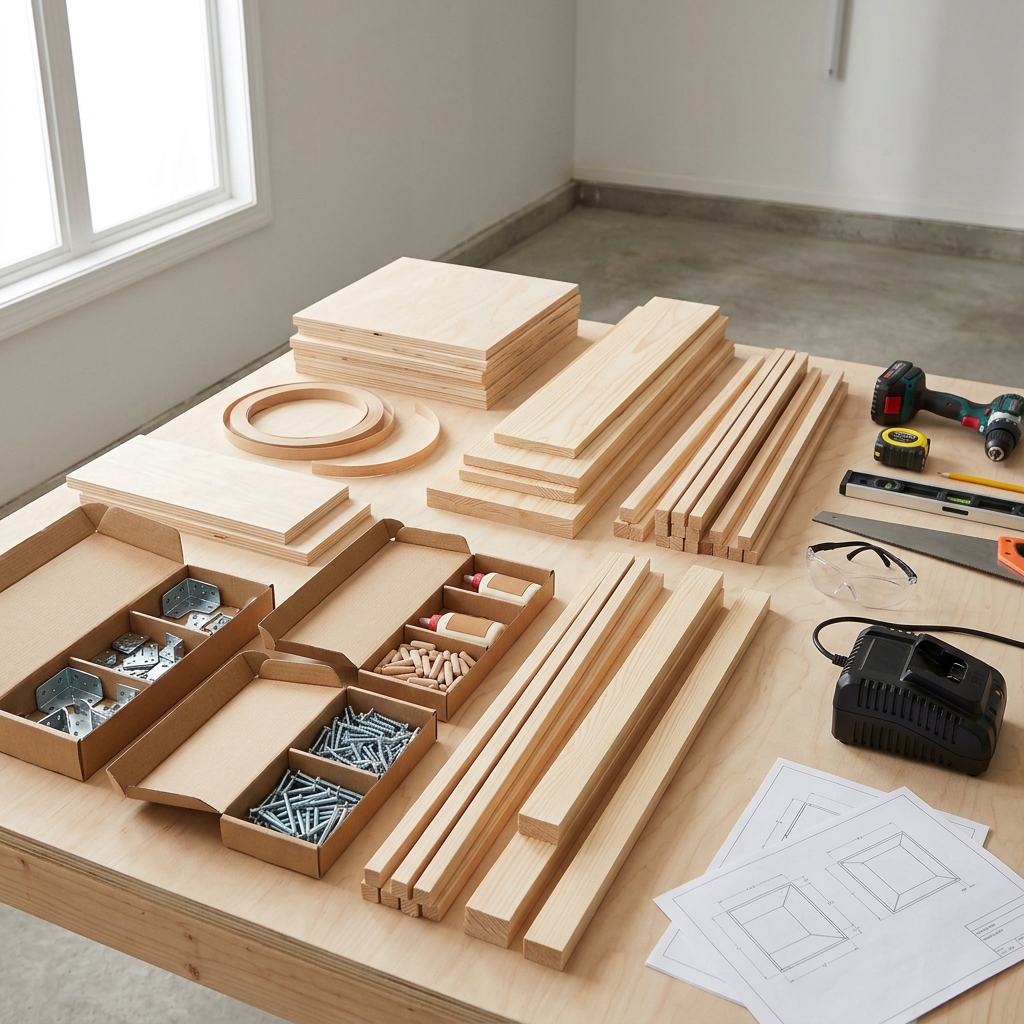
The construction phase involves cutting materials to precise measurements, assembling individual modules using reliable joinery methods, and incorporating hardware that balances security with easy reconfiguration. Key decisions include choosing between different connection methods (brackets, screws, or specialized hardware), selecting appropriate materials for your budget and durability needs, and planning for both current storage requirements and future flexibility.
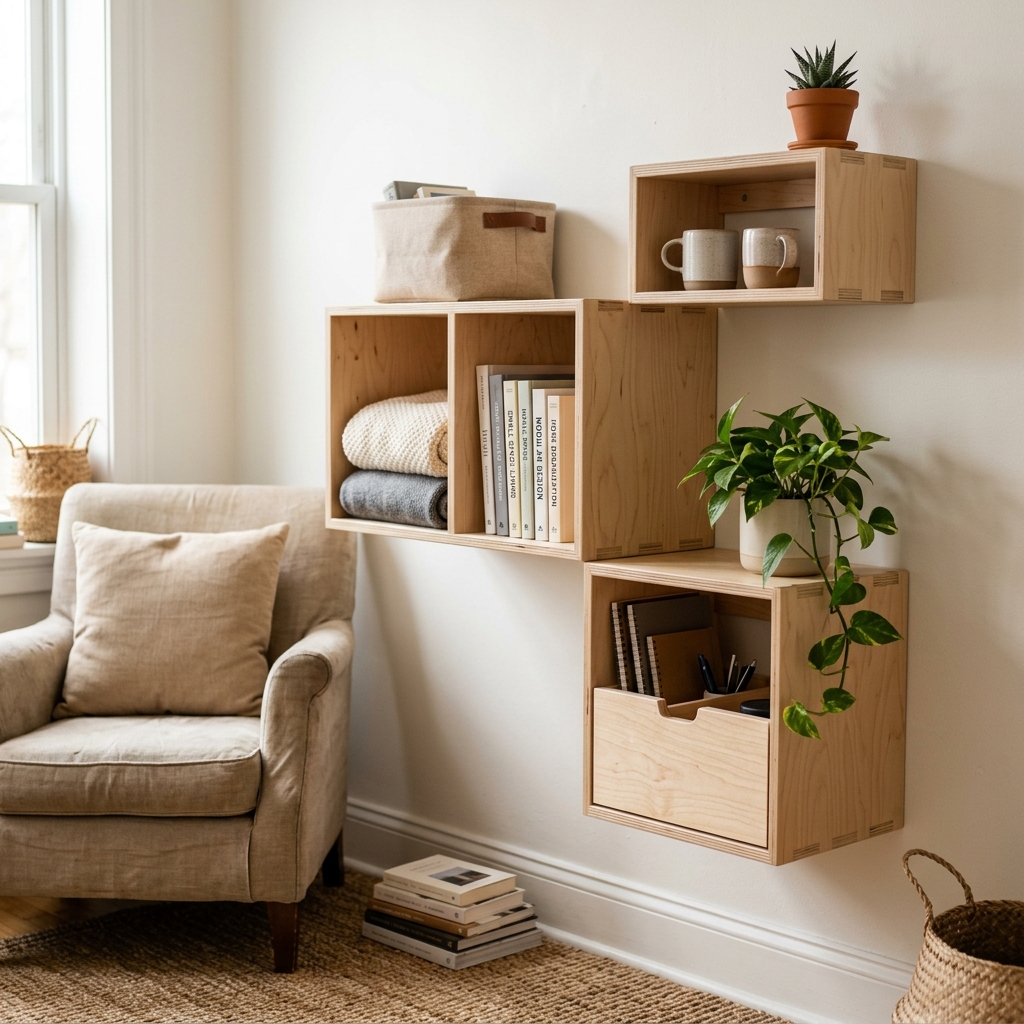
The beauty of modular systems emerges during the finishing and assembly stages, where individual components come together to form cohesive storage solutions. Whether you're building wall-mounted systems that maximize vertical space or freestanding units that double as room dividers, the modular approach allows for experimentation and refinement over time. The detailed construction techniques and step-by-step processes are thoroughly covered in our recommended external guides.
Tips & Considerations
Prioritize dimensional accuracy - Even small measurement inconsistencies will prevent modules from fitting together properly, so invest time in precise cutting and measuring
Plan for weight distribution - Heavier items should go in lower modules, and consider the cumulative weight when stacking units more than three high
Test connection methods early - Build one or two modules first to verify your chosen hardware and connection system works smoothly before cutting all materials
Account for wall irregularities - Few walls are perfectly straight, so build in slight adjustments when planning wall-mounted modular systems
Start with versatile dimensions - Choose module sizes based on items you actually need to store rather than arbitrary measurements that look good on paper
Consider access patterns - Plan how you'll reach items in different configurations, especially for frequently-used storage
Budget for quality hardware - Cheap brackets and fasteners often fail first and compromise the entire system's reliability
Leave expansion room - Build your initial system smaller than your maximum space to allow for future additions and reconfigurations
Mark connection points clearly - Use consistent reference marks so modules align properly when you reconfigure the system later
Conclusion
Building modular storage for small spaces isn't just about creating more storage-it's about creating smarter storage that evolves with your life. The curated resources we've identified will guide you through proven approaches, from quick weekend projects to sophisticated systems worthy of professional installation.
The real value in this curated approach lies in learning from builders who've already solved the common challenges you'll face. Our recommended guides offer battle-tested techniques, realistic material requirements, and troubleshooting advice that comes from real-world experience. By following these expert-vetted resources, you're building on a foundation of proven success rather than experimenting blindly.
Take confidence in knowing that modular storage systems are forgiving projects that reward both careful planning and creative problem-solving. Start with one of our recommended guides, adapt the techniques to your specific space, and enjoy the satisfaction of storage that works exactly how you need it to-both today and tomorrow.
Apparatus & Materials
| Item | Cost | |
|---|---|---|
| ◆ 3/4-inch Plywood Primary structural material for cube sides, tops, and bottoms. Baltic birch or maple plywood recommended for durability and finish quality. | $40–$80 | Buy now |
| ◆ Circular Saw or Table Saw Essential cutting tool for making precise cuts in plywood sheets to create cube components with square edges. | $120–$600 | Buy now |
| ◆ Drill/Driver Power tool needed for drilling pilot holes and driving screws during assembly of modular storage cubes. | $50–$200 | Buy now |
| ◆ Heavy-duty Shelf Brackets Hardware for mounting modular units to walls and connecting cubes together for stability and modularity. | $15–$40 | Buy now |
| ◆ Level Measuring tool to ensure storage units are properly aligned and mounted straight on walls. | $12–$35 | Buy now |
| ◆ Wood Glue Adhesive for strengthening joints between plywood pieces and ensuring stable cube construction. | $5–$15 | Buy now |
| ◆ Wood Screws Fasteners for assembling cube components together. Various sizes needed including 1¼-inch and 2½-inch screws. | $8–$20 | Buy now |
| Wood Stain or Paint Finishing material to protect plywood surfaces and provide desired aesthetic appearance for completed storage units. | $15–$45 | Buy now |
Notes on the sources
The ranking at right reflects our editorial judgment after reading each source in full. For a summary of this entry in brief, see the source ranked first. For the chemistry and underlying principles, see the last.