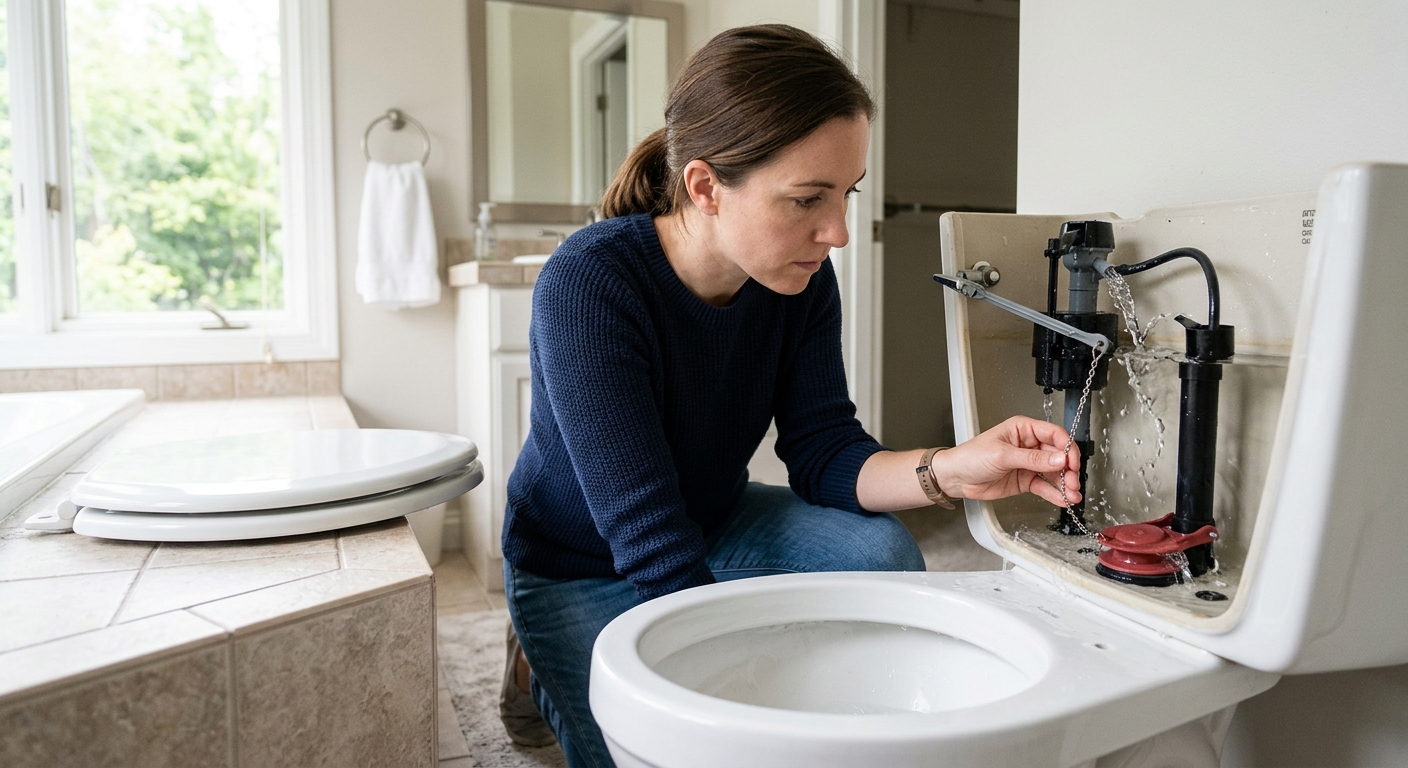
Stop a toilet that keeps refilling by testing for a worn flapper, swapping in the right replacement, and setting the chain so the seal closes cleanly.
A running toilet is usually a seal problem, not a plumbing mystery
If your toilet runs after a flush, or it starts refilling every few minutes, the tank is usually losing water through the flapper seal or into the overflow tube. That leak can be silent, expensive, and easy to miss until the water bill shows up.
The good news is that most beginner repairs start with a cheap rubber part and a few careful adjustments. In many toilets, you can confirm the leak, replace the flapper, set the chain slack, and check the water level without swapping the whole fill valve.
Step 1: Confirm the tank is leaking before you replace anything
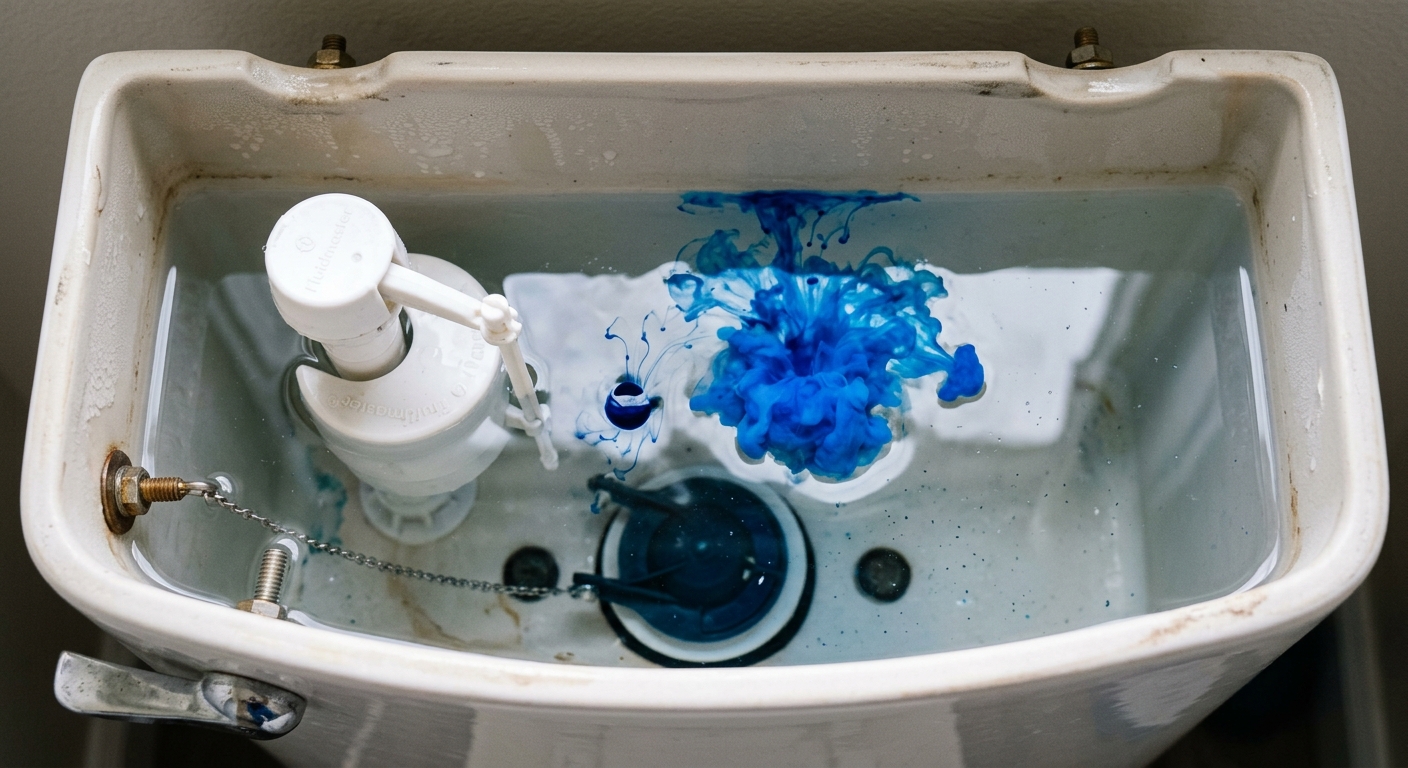
Lift the tank lid off carefully and set it on a towel. Add a few drops of food coloring to the tank water, then wait about 10 minutes without flushing. If color shows up in the bowl, water is leaking past the flapper seal.
This quick test matters because it separates a real seal problem from a handle issue or a fill-level problem. If the water is already creeping over the overflow tube, the fill valve is set too high and you should fix that too.
Step 2: Shut off the water and drain the tank
Turn the shutoff valve behind the toilet clockwise until it stops, then flush once to empty most of the tank. Hold the handle down if needed so the tank drains as far as possible.
You do not need to dry the tank perfectly, but less water makes the parts easier to see and keeps the old flapper from flopping around while you work. If the shutoff valve resists, stop before forcing it; old valves crack easily.
Step 3: Remove the old flapper and match the replacement
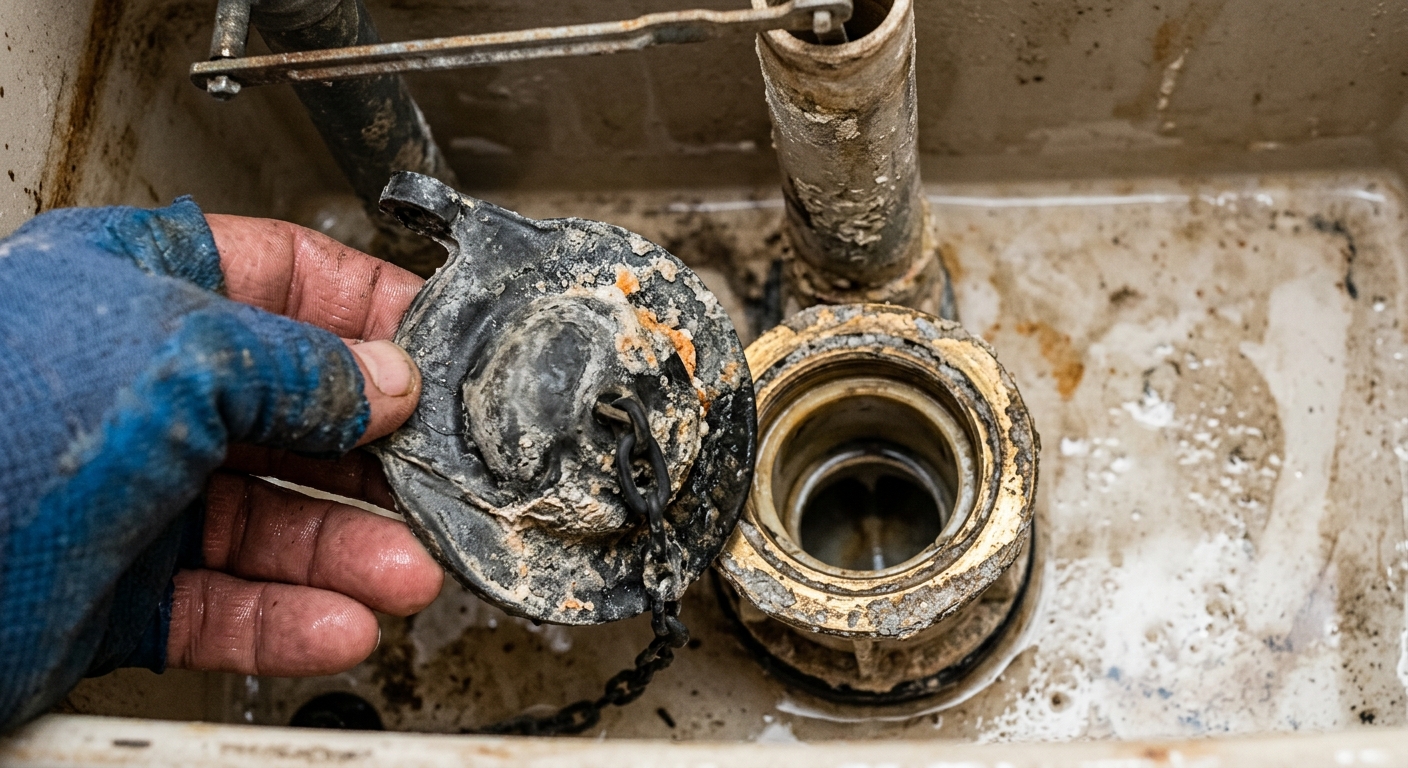
Unhook the chain from the flush lever, then pop the flapper ears off the pegs or overflow tube tabs. Take the old part with you if you're unsure whether the toilet uses a 2-inch or 3-inch flapper.
Look for mineral buildup on the flush valve seat. If the seal surface feels gritty, wipe it with a damp cloth before installing the new part. A bad seal surface can make a brand-new flapper leak just like the old one.
Step 4: Install the new flapper and give the chain a little slack
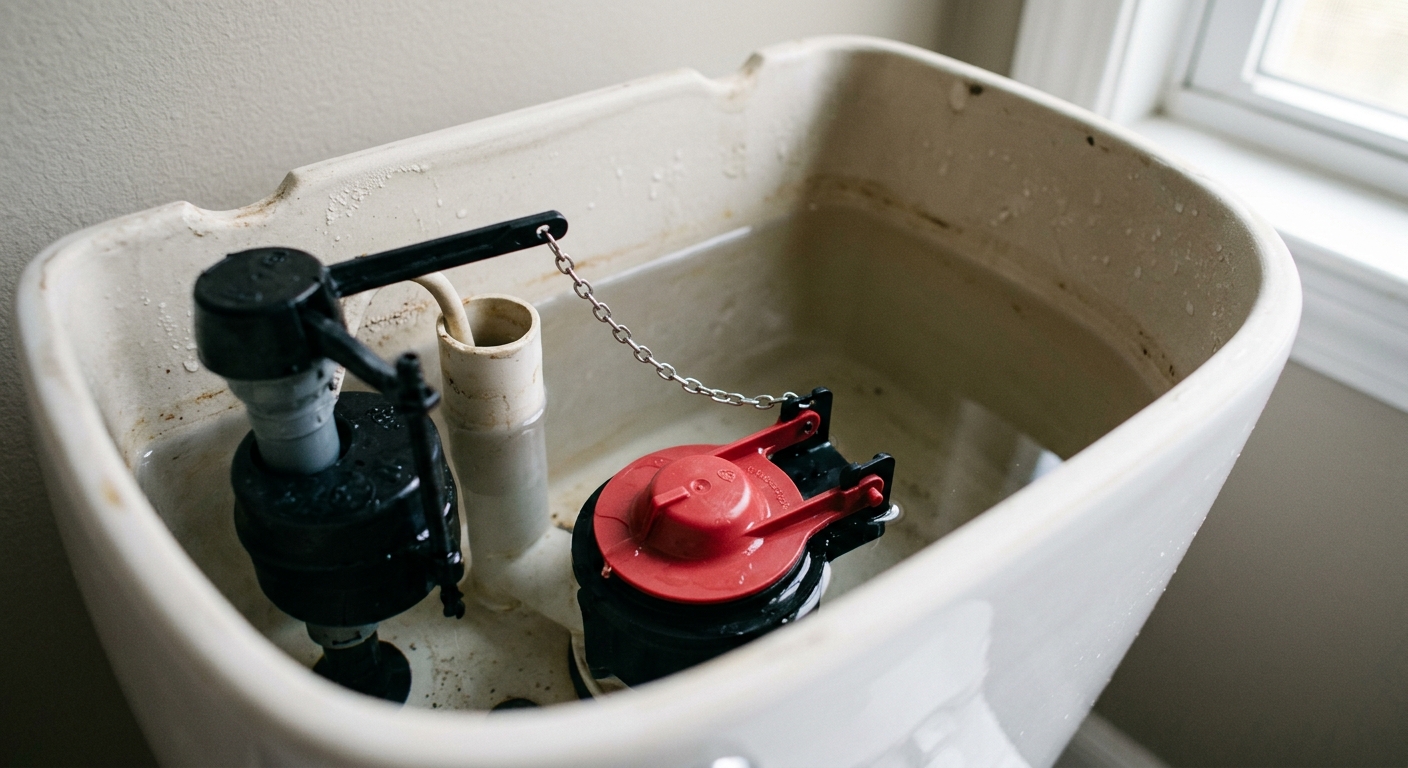
Seat the new flapper evenly on the flush valve and reconnect the chain to the lever. The chain should have about 1/4 inch to 1/2 inch of slack so the flapper can close flat without being held open.
That tiny amount of slack is the difference between a clean seal and a slow, sneaky leak. If the chain is too tight, the flapper never fully closes. If it's too loose, the chain can fall under the flapper and keep it from sealing after the flush.
Step 5: Turn the water back on and check the fill level
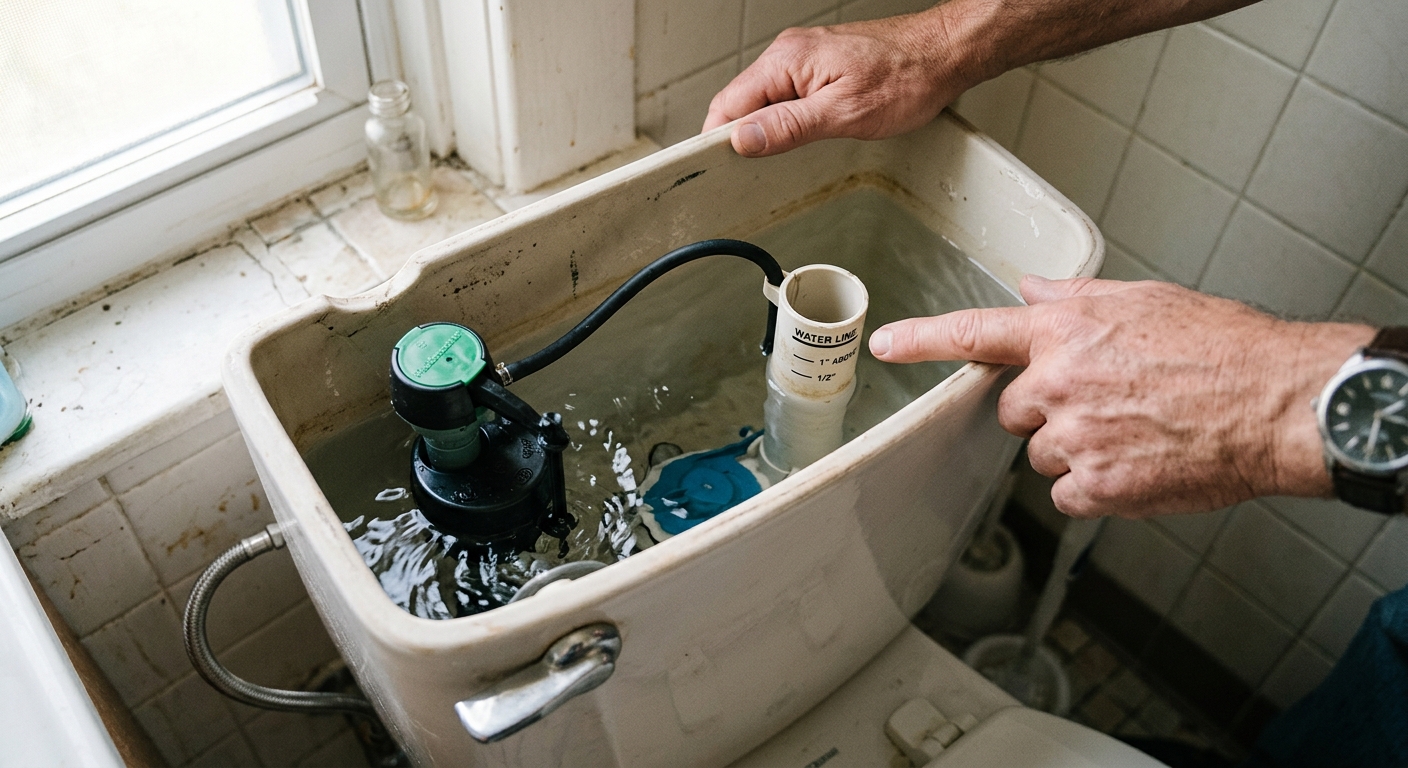
Open the shutoff valve counterclockwise and let the tank refill. Watch the waterline: it should stop below the top of the overflow tube, not spill into it. If it keeps rising too high, adjust the float or fill valve until the tank shuts off lower.
This step catches the second most common cause of a running toilet. A perfect flapper won't solve a tank that is overfilling. If you hear the fill valve still hissing after the tank reaches the right level, make a small adjustment and test again.
Step 6: Test the flush and make one final tweak if needed
Flush the toilet two or three times. The flapper should lift cleanly, drop closed without sticking, and stop the refill sound once the tank reaches its level.
If the tank still runs, recheck the chain first, then inspect the flapper seat and fill height again. In most beginner repairs, the problem is either a chain set too tight or a waterline set too high, not a failed toilet body.
Apparatus & Materials
| Item | Cost | |
|---|---|---|
| ◆ Replacement toilet flapper Replaces the worn rubber seal that stops water from leaking into the bowl. | $8–$18 | Buy now |
| ◆ Towel Protects the floor and provides a safe place for the porcelain lid. | $5–$15 | Buy now |
| Food coloring Helps confirm whether water is leaking past the flapper seal. | $2–$6 | Buy now |
| Paper towels Cleans up drips and wipes the flush valve seat before reassembly. | $2–$4 | Buy now |
| Small sponge Soaks up leftover tank water so the old parts are easier to remove. | $2–$5 | Buy now |
Notes on the sources
The ranking at right reflects our editorial judgment after reading each source in full. For a summary of this entry in brief, see the source ranked first. For the chemistry and underlying principles, see the last.