A curated guide aggregating the best expert-tested methods and professional resources for effectively removing slime from carpet without damage or stains.
Introduction
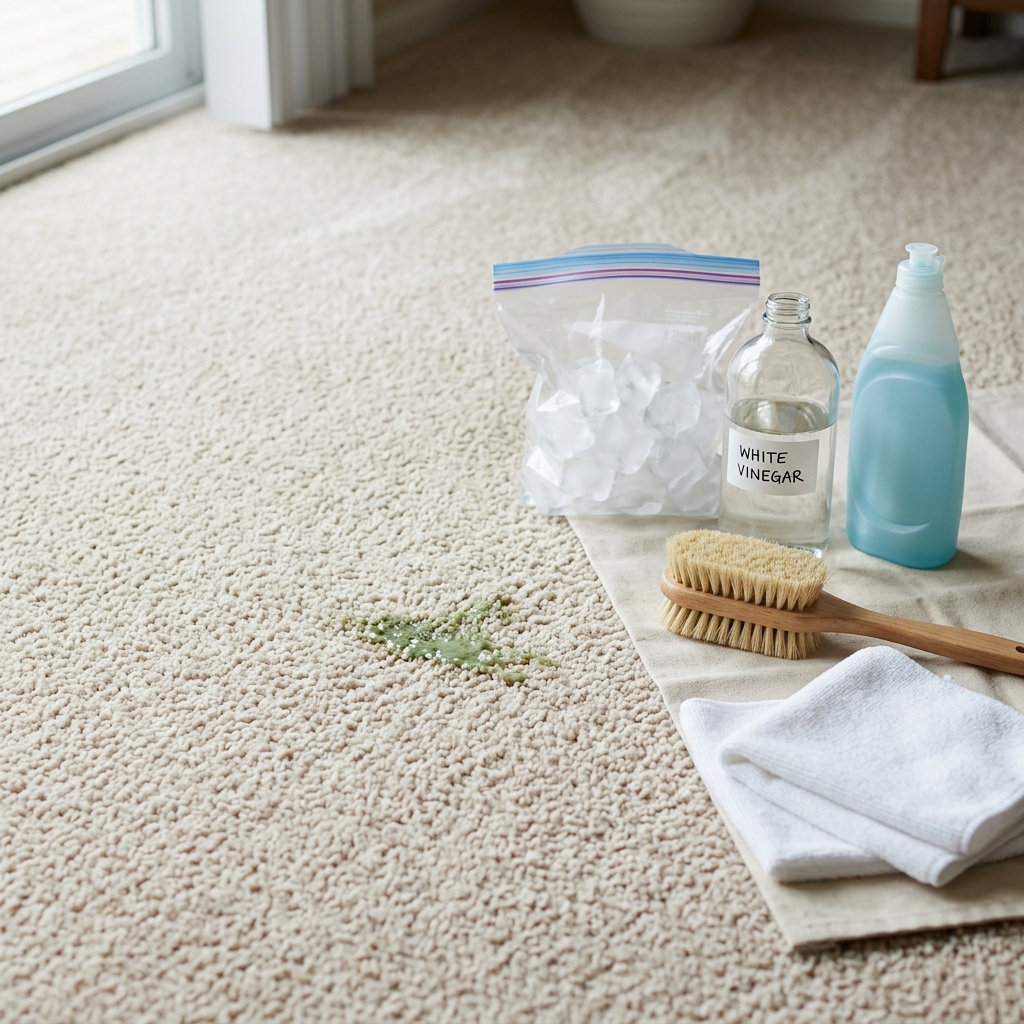
Slime accidents on carpet are one of those parenting moments that can quickly turn from fun to frustration. Whether it's homemade slime from a craft project gone wrong or store-bought slime that somehow found its way deep into your carpet fibers, the sticky situation seems daunting at first glance. The good news is that with the right approach and proven techniques, even the most stubborn slime can be completely removed without damaging your carpet.
Rather than experimenting with random internet advice, we've curated the most effective, expert-tested methods from trusted sources who have actually put these techniques to the test. Our recommended guides come from carpet cleaning professionals, home improvement authorities, and sources that have conducted head-to-head comparisons of different removal methods. This saves you time, prevents potential carpet damage from untested methods, and gives you confidence in the solutions you're implementing.
Overview
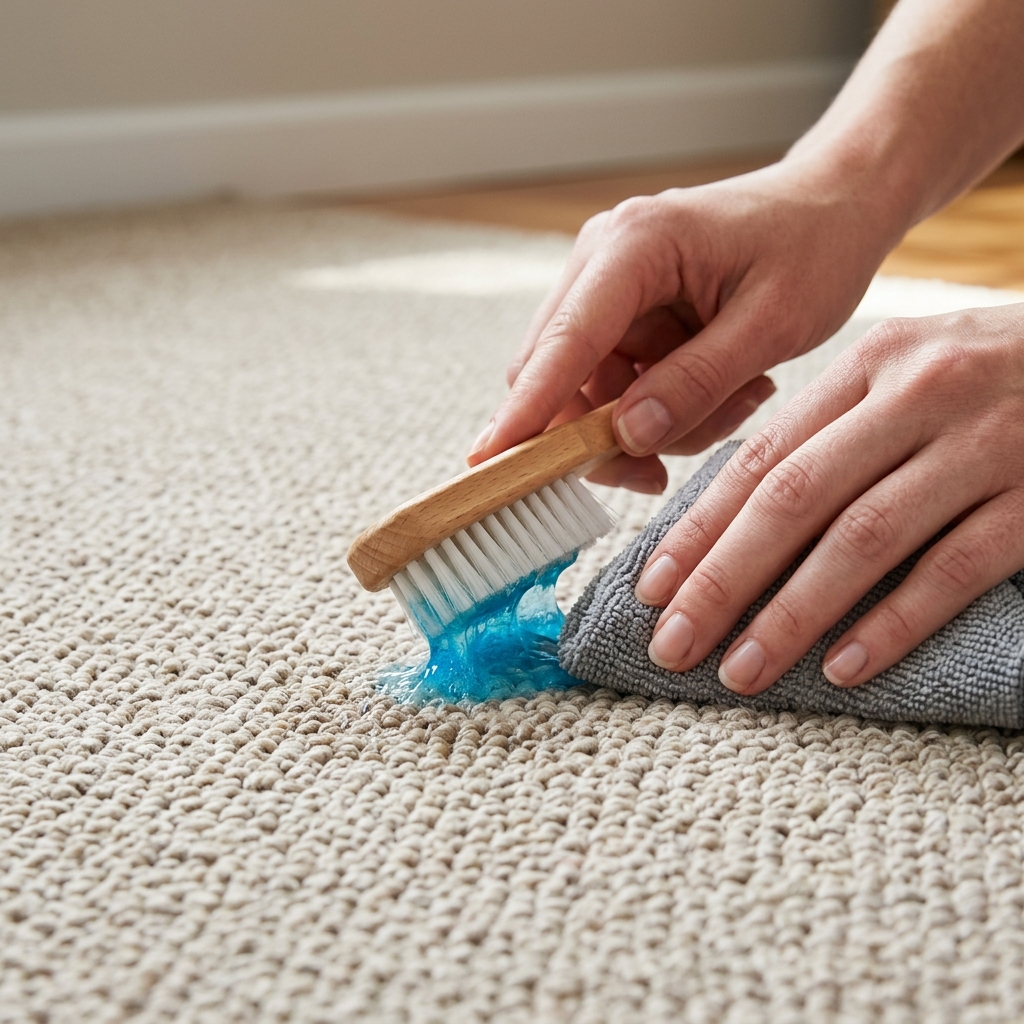
Successful slime removal typically follows a two-phase approach that professional cleaners recommend. The first phase focuses on physical removal - getting as much of the actual slime material off your carpet as possible without pushing it deeper into the fibers. This often involves either hardening the slime with ice to make it brittle and scrapeable, or carefully lifting away fresh slime with the right tools and techniques.
The second phase addresses any remaining residue and potential staining through targeted chemical treatments. This is where the science comes in - using solutions like vinegar or baking soda that actually break down the slime's molecular structure rather than just masking the problem. The key is understanding which cleaning agents work best for different types of slime and carpet materials.
What sets the most effective methods apart is their systematic approach and attention to preventing damage. The best techniques work from the outside of the stain inward, use blotting rather than scrubbing motions, and include proper testing and rinsing steps. Our recommended guides walk you through these proven processes with clear instructions and professional insights.
Tips & Considerations
Act quickly when possible - Fresh slime is significantly easier to remove than dried, set-in slime that has bonded with carpet fibers
Always test cleaning solutions on an inconspicuous area first to check for colorfastness and ensure your specific carpet won't be damaged
Work from outside to center when treating the stain to prevent spreading the slime to a larger area of your carpet
Avoid aggressive scrubbing which can push slime deeper into the carpet backing or damage the fiber structure permanently
Use blotting motions instead of rubbing to lift slime and cleaning solutions without grinding them further into the carpet
Consider your carpet type - synthetic fibers typically handle stronger cleaning solutions better than natural fibers like wool
Be patient with the process - stubborn or dried slime often requires multiple treatment cycles rather than a single aggressive attempt
Ensure complete drying after cleaning to prevent mold, mildew, or cleaning solution residue that can attract future dirt
Have proper ventilation when using vinegar-based solutions, especially in smaller rooms or enclosed spaces
Keep realistic expectations - while most slime can be completely removed, very old stains or certain slime types may require professional treatment
Conclusion
The key to successfully removing slime from carpet lies in using proven methods from trusted sources rather than trial-and-error approaches that could potentially damage your flooring. Our curated selection includes resources from carpet cleaning equipment manufacturers, home improvement experts who've tested multiple methods side-by-side, and comprehensive guides that cover various scenarios you might encounter.
These recommended guides provide you with professional-grade techniques, clear step-by-step instructions, and the confidence that comes from using methods that have been tested and refined by experts. By following their detailed processes and using the right materials, you can tackle even stubborn slime stains effectively and safely.
Don't let a slime accident stress you out - with the right guidance and a systematic approach, your carpet can look as good as new. Take advantage of the expertise we've gathered here, and you'll have your slime problem solved quickly and thoroughly.
Apparatus & Materials
| Item | Cost | |
|---|---|---|
| ◆ Baking Soda Natural abrasive and deodorizer that works with vinegar to lift slime from carpet fibers. | $1–$3 | Buy now |
| ◆ Butter Knife or Plastic Scraper Tool for carefully scraping hardened or frozen slime from carpet without damaging fibers. | $1–$3 | Buy now |
| ◆ Clean Cloths or Paper Towels Absorbent materials for blotting moisture and cleaning up slime residue during the removal process. | $3–$8 | Buy now |
| ◆ Ice Cubes Used to freeze and harden wet slime, making it easier to scrape off without spreading. | $2 | Buy now |
| ◆ Spray Bottle Container for mixing and applying cleaning solutions evenly to the affected carpet area. | $1–$5 | Buy now |
| ◆ White Vinegar Essential cleaning agent that breaks down slime and neutralizes stains effectively when mixed with water. | $2–$5 | Buy now |
| Dish Soap Alternative cleaning agent that can be mixed with warm water for stubborn slime stains. | $1–$4 | Buy now |
| Soft Brush or Old Toothbrush Gentle scrubbing tool to work cleaning solutions into carpet fibers and loosen remaining slime. | $1–$4 | Buy now |
Notes on the sources
The ranking at right reflects our editorial judgment after reading each source in full. For a summary of this entry in brief, see the source ranked first. For the chemistry and underlying principles, see the last.