Don't panic when slime hits your upholstery. This curated guide brings together the most effective, fabric-safe cleaning techniques to remove stubborn residue without damaging your furniture.
Introduction
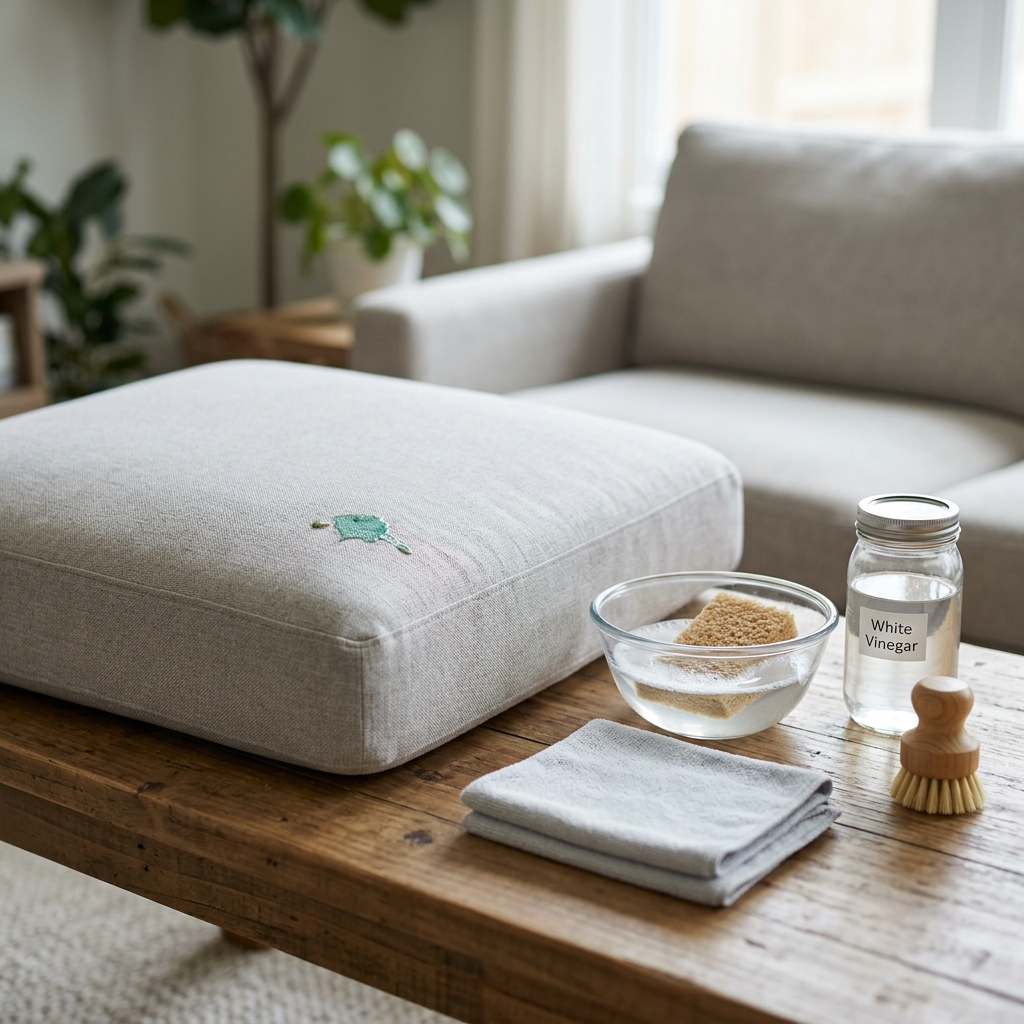
Whether it's from kids' playtime or a craft project gone wrong, slime on your couch can feel like a disaster waiting to happen. The sticky, gooey substance seems designed to embed itself deep into upholstery fibers, and the wrong removal approach can actually make the problem worse by spreading the slime or damaging your furniture.
This curated guide brings together the most effective, expert-tested methods for removing slime from couches. Rather than experimenting with random internet advice, you'll discover proven techniques from trusted household cleaning authorities who have tested these methods extensively. Our carefully selected resources will save you time, protect your furniture, and give you confidence in tackling this challenging cleaning task.
You'll gain access to multiple approaches tailored to different fabric types and slime conditions, from fresh spills to dried, stubborn stains that have been sitting for days.
Overview
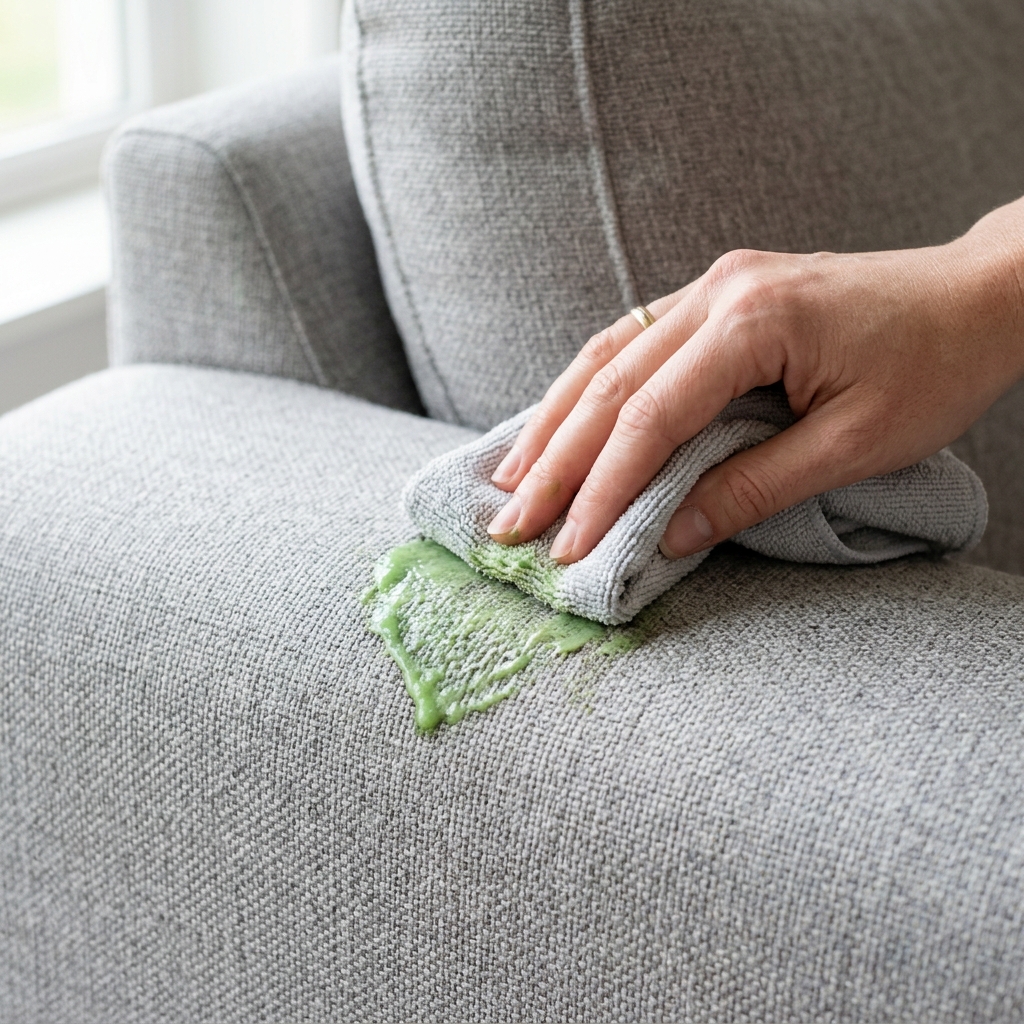
The slime removal process typically follows a systematic three-phase approach that maximizes effectiveness while protecting your upholstery. The first phase focuses on physical removal-getting as much slime off the surface as possible without pushing it deeper into the fabric. This often involves either scraping techniques for wet slime or the popular ice-hardening method for dried slime.
The second phase involves applying cleaning solutions to break down the remaining residue. The most recommended approach uses white vinegar mixed with water in a 2:1 ratio, though alternatives like rubbing alcohol or specialized upholstery cleaners work for different situations. This treatment phase requires patience, allowing the cleaning agents sufficient time to dissolve the slime at the molecular level.
The final phase centers on gentle extraction and cleaning, using blotting motions rather than scrubbing to lift the dissolved slime from the fabric. The process may need repetition for stubborn stains, and proper drying techniques ensure no moisture damage occurs to your couch. The recommended guides provide detailed step-by-step instructions for each phase, along with visual cues to help you assess progress and determine when the slime has been completely removed.
Tips & Considerations
- Act quickly when possible - Fresh slime removes much more easily than dried, set-in stains that have had time to bond with fabric fibers
- Always test cleaning solutions first - Apply any vinegar, alcohol, or commercial cleaner to an inconspicuous area to check for color bleeding or fabric damage
- Never scrub or rub vigorously - This pushes slime deeper into the upholstery and can damage delicate fabric weaves or cause pilling
- Work from outside to inside - Start cleaning from the edges of the stain and work toward the center to prevent spreading
- Use blotting motions only - Press straight down and lift up rather than wiping, which can stretch fabric and spread contamination
- Remove cushion covers when possible - If your couch has removable covers, take them off for easier cleaning and to prevent moisture from reaching foam padding
- Ensure adequate ventilation - When using rubbing alcohol or commercial cleaners, open windows or use fans to prevent fume buildup
- Allow complete drying - Rush jobs often leave moisture trapped in padding, leading to mold, mildew, or permanent water stains
- Consider professional help for expensive furniture - High-end or delicate upholstery may warrant professional cleaning rather than DIY attempts
- Keep backup cleaning supplies ready - Having vinegar, clean cloths, and basic tools on hand means you can address slime accidents immediately
Conclusion
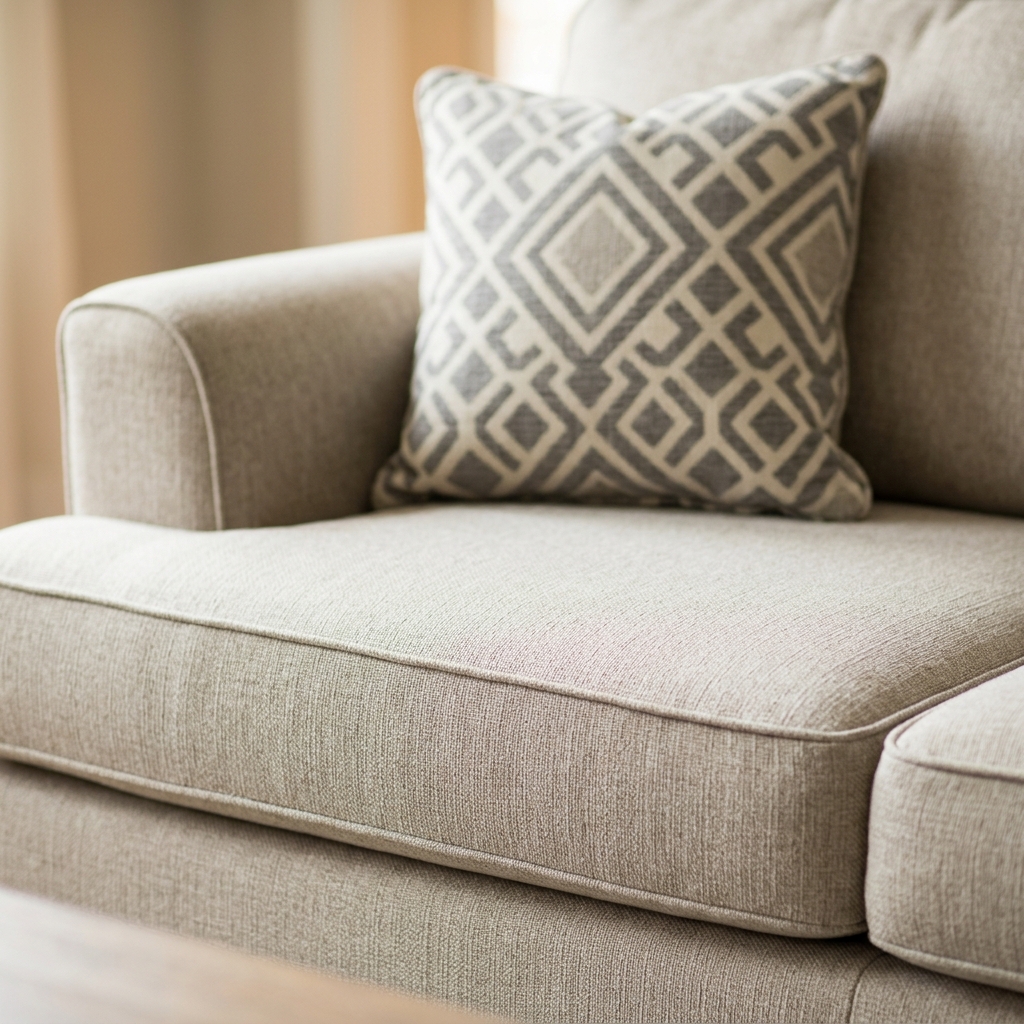
Successfully removing slime from your couch doesn't have to be a nightmare scenario. By following expert-tested methods from our curated resources, you can tackle this challenge with confidence and protect your furniture investment. The key lies in using the right techniques for your specific situation-whether you're dealing with fresh slime or dried residue, delicate fabrics or sturdy upholstery.
The guides we've selected represent the best available advice from trusted cleaning authorities who have refined these methods through extensive testing. Rather than gambling with untested remedies, you're accessing proven solutions that balance effectiveness with fabric safety. These resources will walk you through each step with clear instructions and helpful troubleshooting tips.
At HowTo.Monster, we believe in saving you time by connecting you with the most reliable information available. With these expert resources at your disposal, you can transform what feels like a furniture emergency into a manageable cleaning task. Take a deep breath, gather your supplies, and approach the job with confidence-your couch will be slime-free before you know it.
Apparatus & Materials
| Item | Cost | |
|---|---|---|
| ◆ Butter Knife or Spoon Flat-edge tool for gently scraping away excess slime without pushing it deeper into upholstery. | $1–$5 | Buy now |
| ◆ Clean Cloths or Paper Towels For blotting and absorbing cleaning solutions and lifting slime residue from fabric. | $2–$8 | Buy now |
| ◆ Ice Cubes Used to freeze and harden slime, making it easier to scrape off without spreading deeper into fabric. | $2 | Buy now |
| ◆ Soft-bristled Brush Used for gently scrubbing cleaning solution into fabric in circular motions without damaging upholstery. | $3–$10 | Buy now |
| ◆ White Vinegar Most effective cleaning solution for dissolving slime from upholstery. Mix 2/3 cup vinegar with 1/3 water in spray bottle. | $1–$3 | Buy now |
| Liquid Dish Soap Effective at breaking down slime and removing residual grease when mixed with water. | $1–$4 | Buy now |
| Rubbing Alcohol Alternative cleaning solution for stubborn slime stains, applied at full strength to dissolve residue. | $1–$3 | Buy now |
| Upholstery Cleaner Commercial cleaner applied as final step to ensure complete stain removal and fabric protection. | $5–$15 | Buy now |
Notes on the sources
The ranking at right reflects our editorial judgment after reading each source in full. For a summary of this entry in brief, see the source ranked first. For the chemistry and underlying principles, see the last.