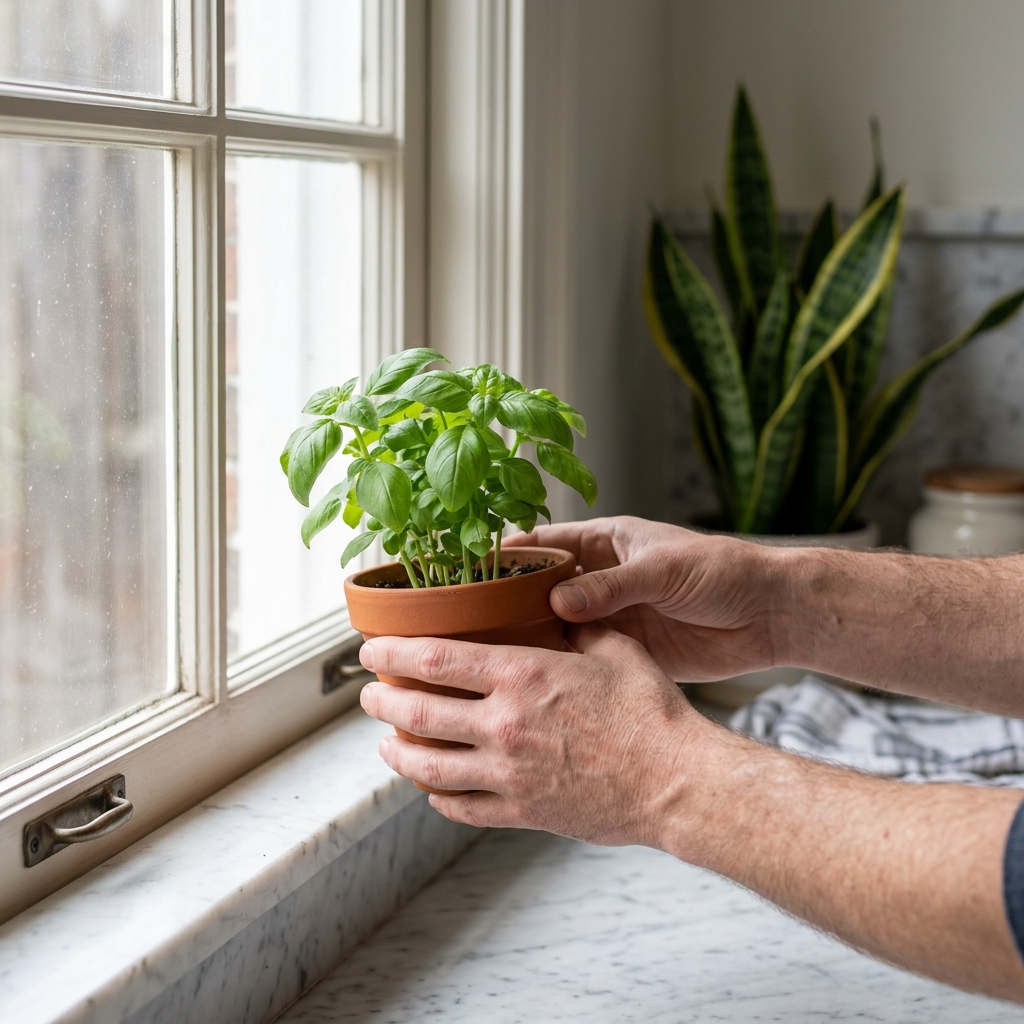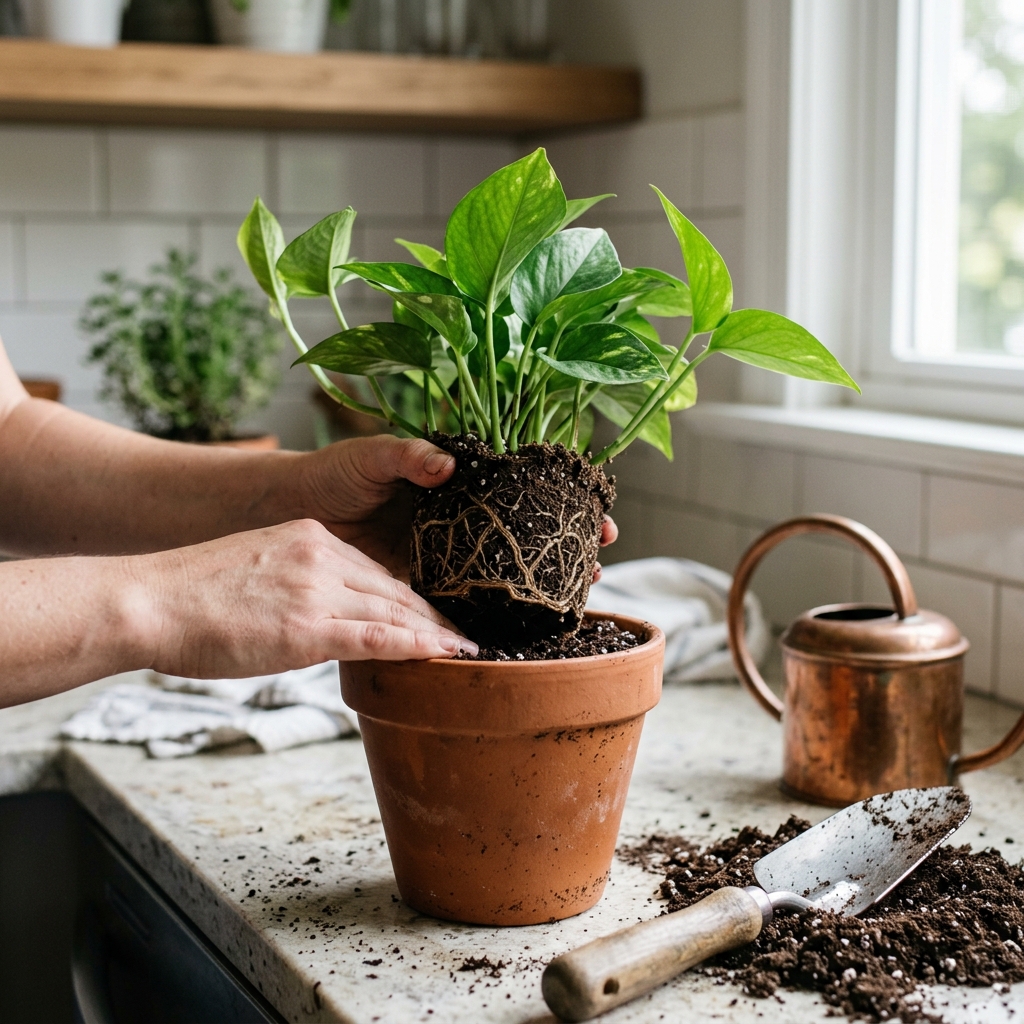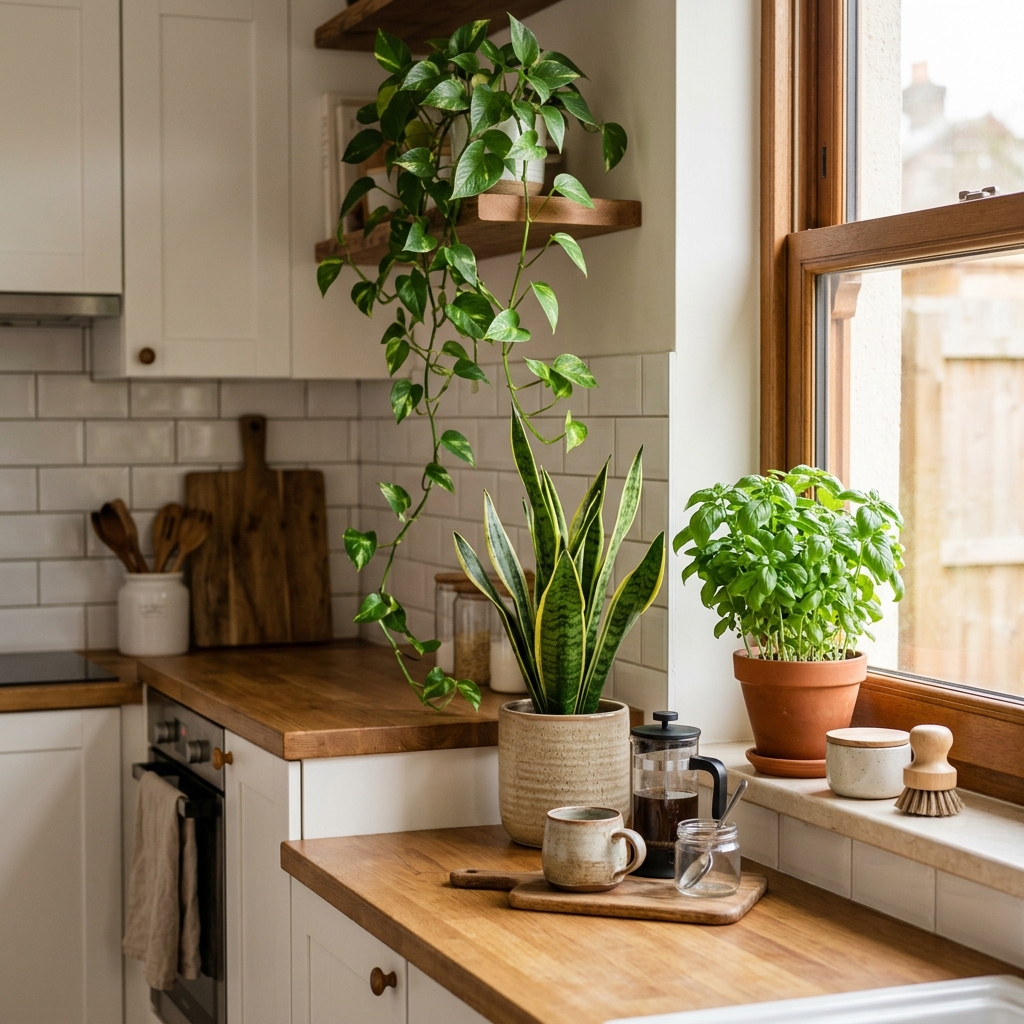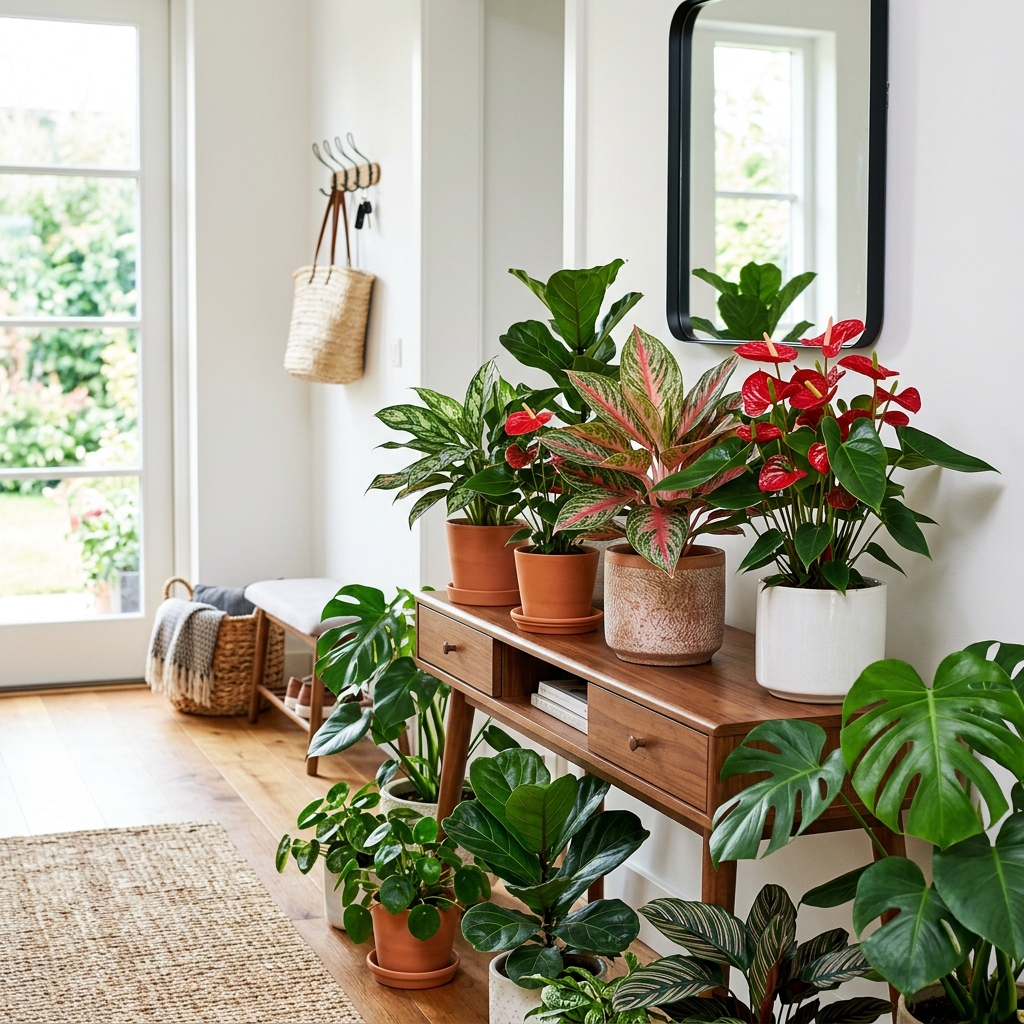
Curated guide to how to choose indoor plants for the kitchen with expert recommendations.
Curated guide to the best resources for selecting kitchen plants. Expert-backed recommendations for choosing the right houseplants for your cooking space.
Keywords: kitchen plants, indoor plants for kitchen, houseplants kitchen, kitchen gardening, air purifying plants, low light kitchen plants, humidity loving plants, plant selection guide
Introduction
Choosing the right indoor plants for your kitchen can transform your cooking space into a vibrant, healthy environment while helping purify the air from cooking-related pollutants. However, kitchens present unique challenges-fluctuating temperatures from cooking, varying light conditions, and space constraints that require careful plant selection to ensure success.
Rather than sifting through countless generic houseplant articles, we've curated the most valuable, expert-backed resources specifically focused on kitchen plant selection. This guide connects you with trusted sources that understand the unique environmental factors of cooking spaces, from humidity levels created by steam to the practical considerations of counter space and maintenance requirements.
Top Recommended Guides
Houseplants to Grow on Your Kitchen Counter | Illinois Extension
What makes it valuable: This guide offers research-based recommendations from university agricultural experts without commercial bias. The Illinois Extension provides scientifically-backed advice on plant selection based on actual growing conditions rather than marketing appeal.
Best for: Home gardeners who want credible, research-based plant recommendations and prefer unbiased expertise from agricultural professionals.
The 10 Best Kitchen Plants That'll Thrive in Any Space | The Kitchn
URL: https://www.thekitchn.com/8-house-plants-you-should-add-to-your-kitchen-240560
What makes it valuable: The Kitchn specializes in kitchen lifestyle and functionality, offering plant recommendations that consider how you actually use your cooking space. Their approach balances aesthetics with practical cooking needs and daily kitchen routines.
Best for: Home cooks who want plants that complement their cooking lifestyle and integrate seamlessly with kitchen activities and design.
The Ultimate Guide to the Perfect Kitchen Plants | Bloombox Club
URL: https://bloomboxclub.com/blogs/news/the-ultimate-guide-to-the-perfect-kitchen-plants
What makes it valuable: This comprehensive guide from plant specialists covers everything from environmental assessment to specific care requirements. Bloombox Club brings deep horticultural expertise and modern plant curation to kitchen-specific growing challenges.
Best for: Plant enthusiasts seeking detailed guidance on creating optimal growing conditions and maintaining healthy kitchen plants long-term.
Materials & Supplies You'll Need
Essential Items
| Item | Purpose | Est. Price |
|---|---|---|
| Plant Saucers | Protects surfaces and provides proper drainage | $3-$15 |
| Potting Mix | Appropriate soil for plant health and growth | $8-$20 |
| Waterproof Tray | Creates humidity-boosting pebble trays | $5-$15 |
Tools & Monitoring
| Item | Purpose | Est. Price |
|---|---|---|
| Plant Mister/Spray Bottle | Increases humidity through regular misting | $2-$12 |
| Light Meter | Measures available light to match plant requirements | $10-$30 |
| Humidity Monitor | Tracks moisture levels for optimal plant health | $8-$25 |
Optional Supplies
| Item | Purpose | Est. Price |
|---|---|---|
| Pebbles or Gravel | Elevates plants in humidity trays | $3-$10 |
General Process Overview
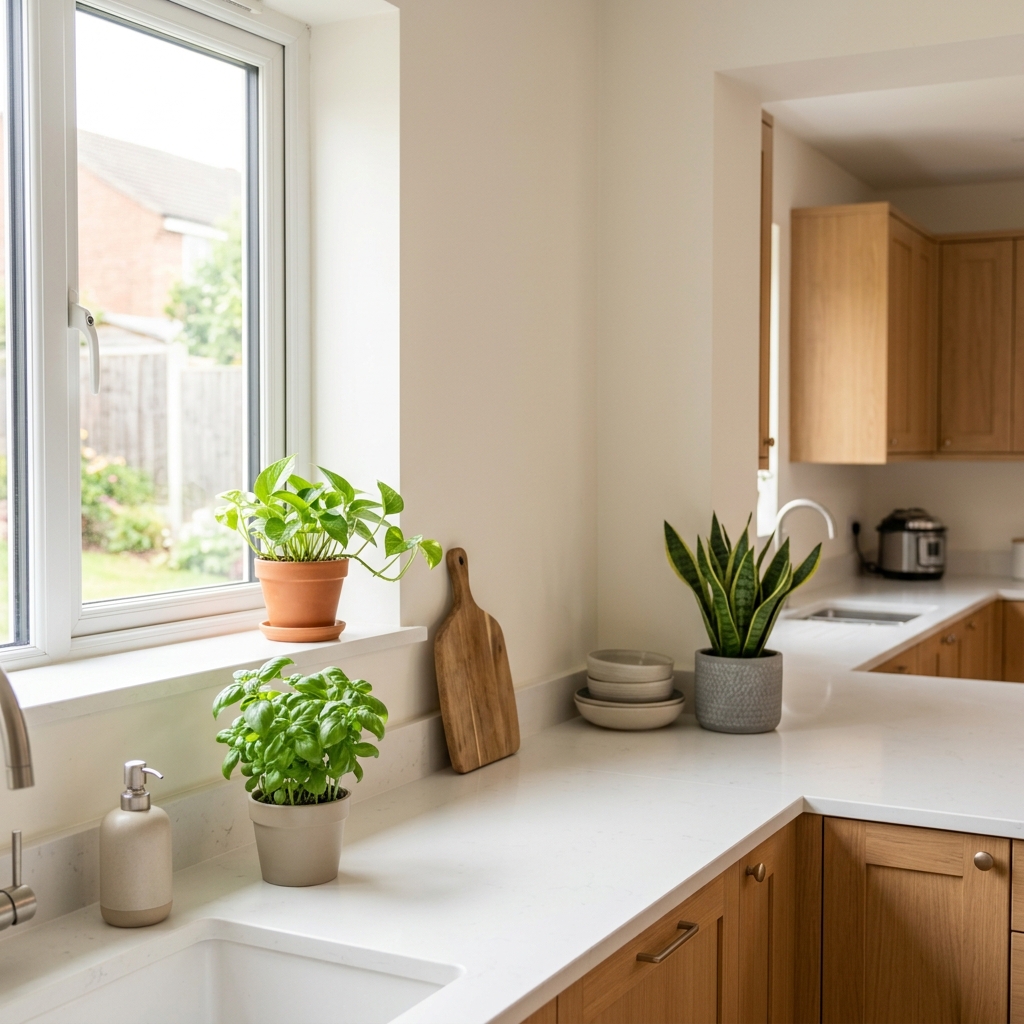
Selecting kitchen plants typically begins with assessing your space's unique environmental conditions-particularly light levels, humidity from cooking steam, and temperature fluctuations from appliances. Most successful selections involve matching plants to your existing conditions rather than trying to dramatically alter your kitchen environment.
The process then moves to balancing your maintenance capacity with your goals, whether that's air purification, aesthetic enhancement, or simply adding greenery to your cooking space. The recommended guides above walk you through systematic evaluation methods, from measuring light levels to understanding which plants thrive in kitchen-specific conditions like higher humidity and variable temperatures.
Tips & Considerations
Safety & Placement
- Consider plant toxicity if you have pets or small children who access the kitchen
- Avoid placing plants where they might interfere with cooking activities or create safety hazards
- Ensure adequate ventilation around plants to prevent moisture buildup
Common Mistakes to Avoid
- Don't choose plants based solely on appearance-environmental match is crucial for survival
- Avoid overwatering plants that benefit from kitchen humidity; they may need less frequent watering than expected
- Don't place plants directly next to heat sources like stoves or ovens where temperature spikes can stress them
Best Practices
- Start with 1-2 low-maintenance plants to gauge your kitchen's specific conditions
- Group plants with similar care requirements together for easier maintenance
- Rotate plants periodically if light exposure is uneven in your kitchen
- Use the natural humidity from cooking as an advantage rather than fighting against it
Conclusion
These carefully selected resources represent the best expertise available for choosing kitchen plants-from university extension research to specialized plant retailers to kitchen lifestyle experts. Each guide offers a unique perspective that, when combined, provides comprehensive coverage of everything from environmental assessment to long-term plant care in cooking spaces.
The beauty of this curated approach is that you can focus on the guides most relevant to your situation and goals, whether you prioritize scientific credibility, practical integration with cooking activities, or detailed horticultural guidance. At HowTo.Monster, we believe in connecting you with the most valuable expert resources rather than reinventing the wheel-these guides have already done the hard work of research and testing.
Additional Images