
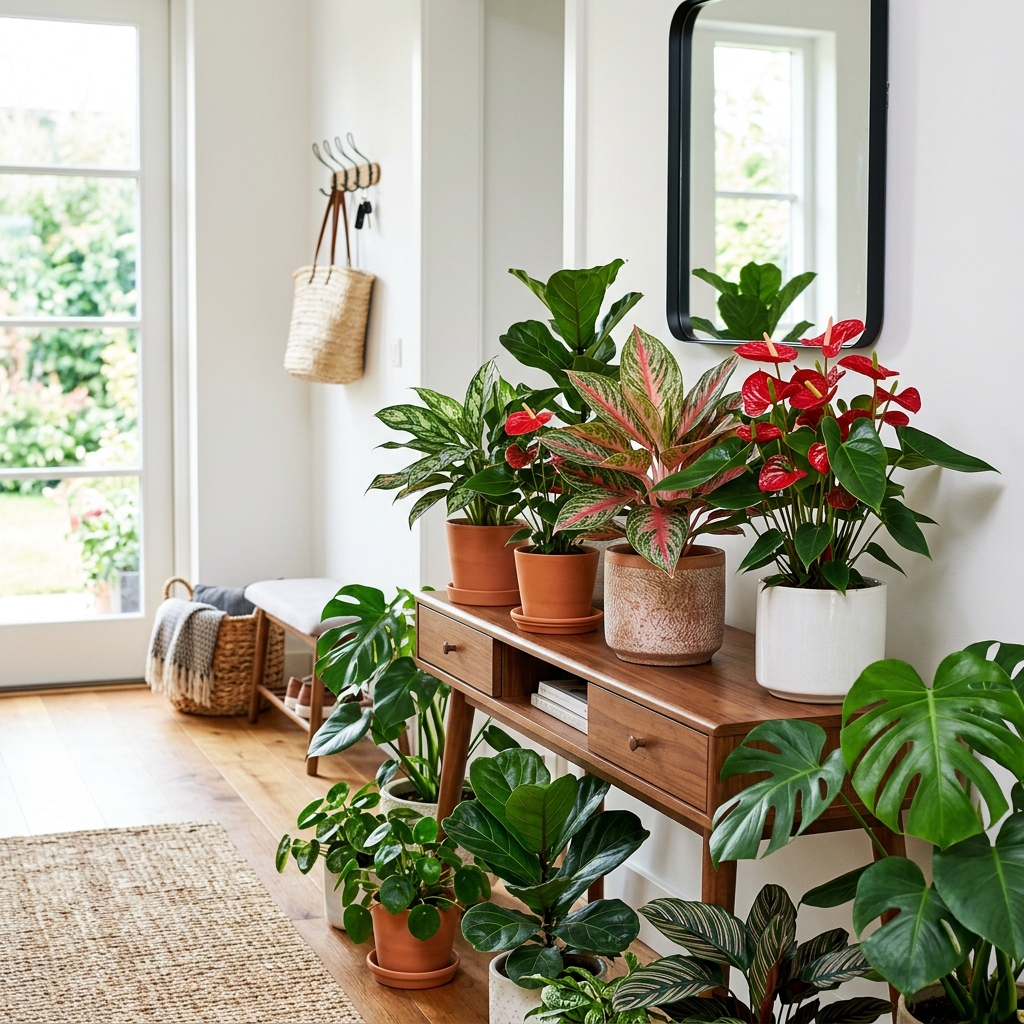
A curated guide featuring expert-selected resources to help you choose vibrant, low-maintenance plants that thrive in challenging entryway conditions.
Introduction

Your entryway sets the tone for your entire home, and colorful indoor plants can transform this transitional space into a welcoming, vibrant area that greets both you and your guests with natural beauty. However, entryways present unique challenges for plants - from fluctuating temperatures and limited light to drafts from opening doors - making plant selection more complex than simply choosing what looks appealing.
This curated guide brings together the most valuable expert resources to help you navigate the process of selecting colorful plants that will not only survive but thrive in your entryway's specific conditions. Rather than overwhelming you with generic plant lists, we've identified the top authorities who provide practical, tested advice for matching vibrant plants to the realities of entryway environments.
By following our recommended expert guides, you'll gain the confidence to create an impressive first impression while ensuring your colorful plant investments remain healthy and beautiful for years to come.
Overview
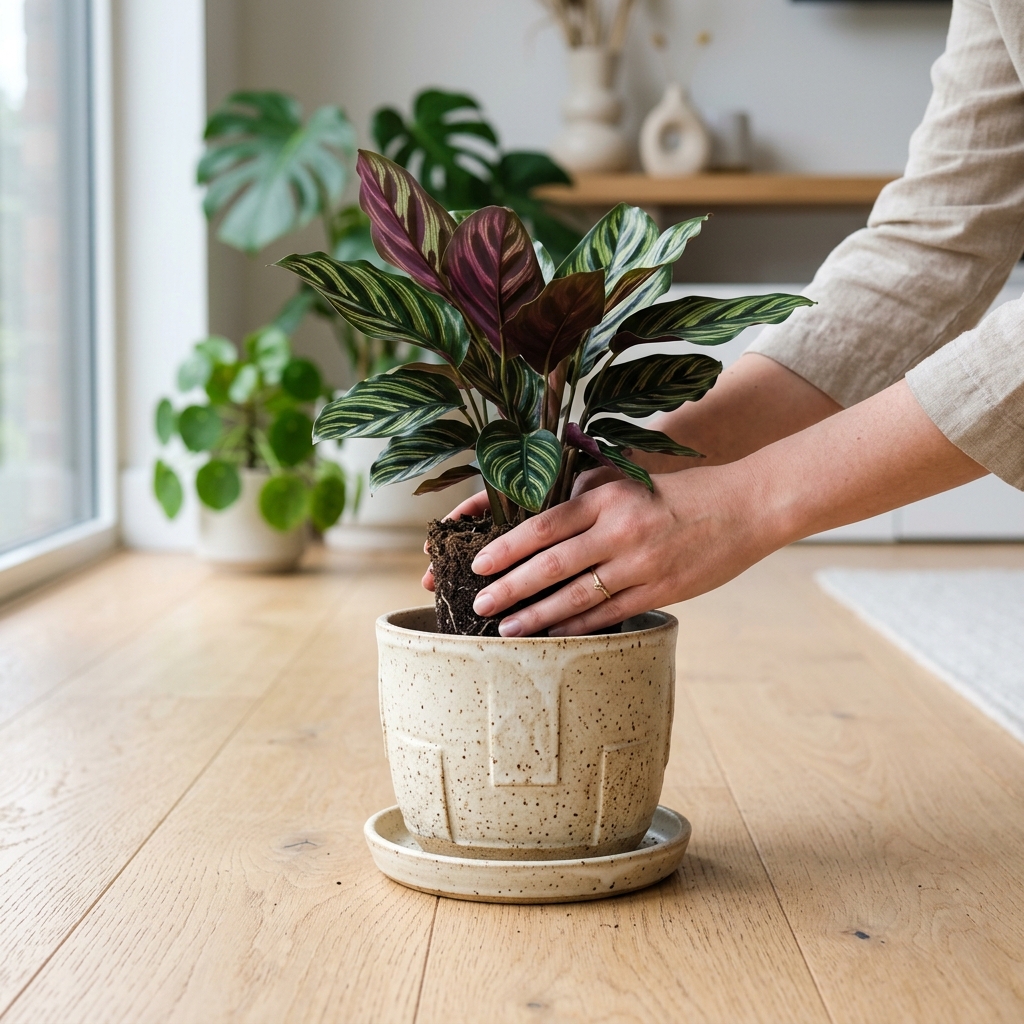
Choosing colorful indoor plants for an entryway involves a systematic approach that balances aesthetic desires with environmental realities. The process typically begins with assessing your specific entryway conditions - measuring available space, observing light patterns throughout the day, noting temperature fluctuations from door usage, and considering your maintenance preferences and experience level.
Once you understand your space's limitations and opportunities, the focus shifts to identifying plants that offer both visual impact and resilience. This involves researching low-light tolerant species with naturally vibrant foliage or blooms, understanding their mature sizes and growth patterns, and matching care requirements to your lifestyle. The best plant choices often combine striking colors with forgiving care needs, such as Chinese Evergreens with their pink and silver variegations or Anthuriums with their glossy red blooms.
The final selection process involves considering display strategies - whether to create a dramatic focal point with one statement plant, layer multiple smaller colorful varieties at different heights, or plan for seasonal rotations between your entryway and brighter indoor locations. Our recommended expert guides provide detailed frameworks for making these decisions based on your specific space and preferences.
Tips & Considerations
Start with light assessment - Observe your entryway's natural light levels at different times of day before selecting plants, as most colorful varieties need specific light conditions to maintain their vibrant appearance
Prioritize drainage and air circulation - Entryways often trap moisture and have poor air circulation, making proper drainage essential to prevent root rot in low-light conditions
Consider pet and child safety - Choose non-toxic plant varieties if your household includes curious pets or small children who may access the entryway area
Plan for temperature fluctuations - Avoid plants sensitive to drafts or temperature changes, as frequent door opening creates challenging microclimates
Size plants appropriately for the space - Oversized plants can overwhelm narrow entryways, while undersized plants may get lost in spacious foyers
Account for maintenance accessibility - Choose plants with care requirements that match your schedule and experience level, as high-traffic entryways need consistently healthy-looking plants
Protect surfaces with proper saucers - Use waterproof plant trays or saucers to prevent water damage to flooring, especially important in entryways where moisture can create safety hazards
Consider seasonal lighting changes - Factor in how changing seasons affect natural light availability in your entryway when selecting plants and planning their placement
Conclusion
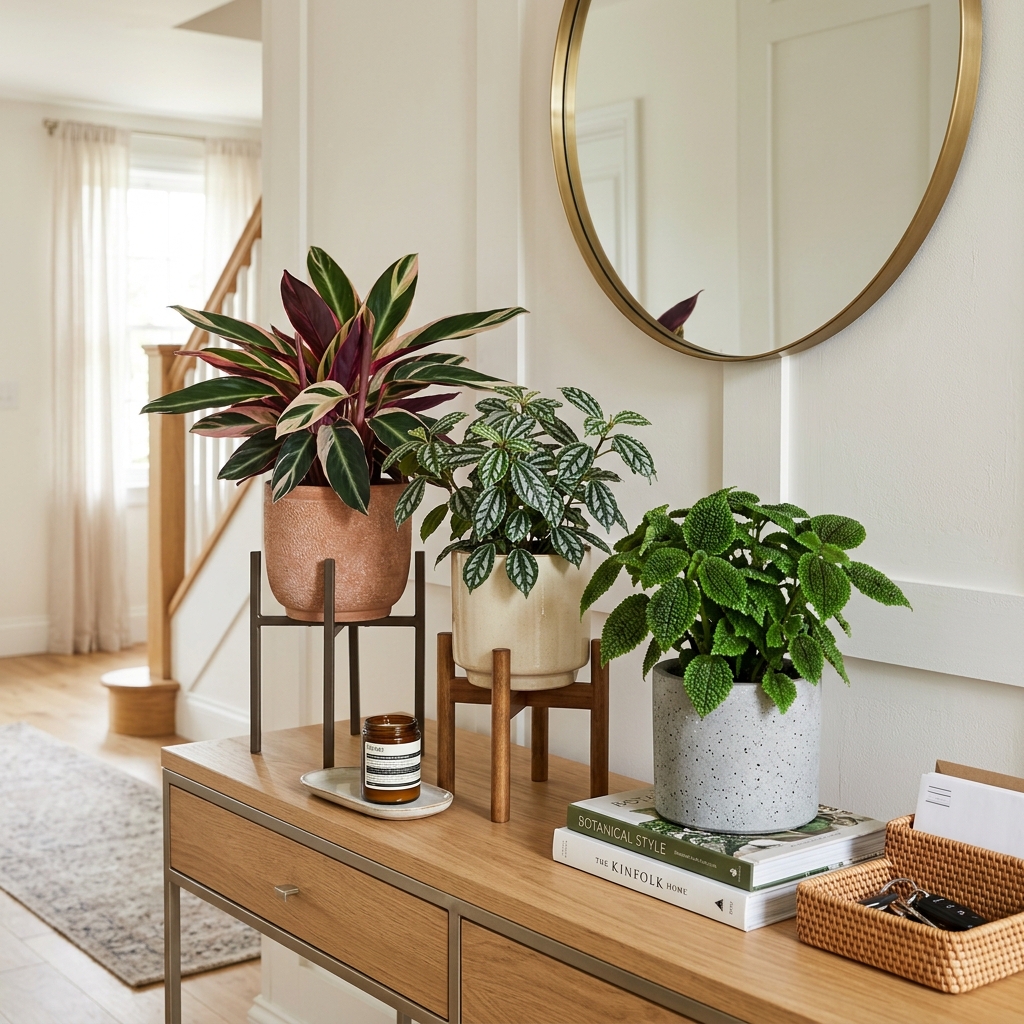
Creating a colorful, welcoming entryway with indoor plants doesn't have to be a guessing game filled with trial and error. By leveraging the expertise of established plant authorities and following proven selection strategies, you can confidently choose plants that will thrive in your specific conditions while delivering the visual impact you desire.
The expert guides we've curated provide comprehensive frameworks for assessment, selection, and care that take the uncertainty out of the process. These resources combine practical growing advice with design insights, ensuring your plant choices enhance both the health and beauty of your entryway space.
With the right guidance and quality plant selections, you'll soon enjoy the daily pleasure of entering a home graced by thriving, colorful plants that welcome you and your guests with natural beauty and vibrant energy.
Apparatus & Materials
| Item | Cost | |
|---|---|---|
| ◆ Chinese Evergreen Plant Colorful, variegated foliage plant that thrives in low light conditions, perfect for beginner plant enthusiasts in entryways. | $15–$40 | Buy now |
| ◆ Plant Pot or Planter Decorative container to house the plants, should be appropriately sized for the chosen plants and entryway space. | $10–$60 | Buy now |
| ◆ Plant Saucer or Tray Protects floors from water damage and catches excess drainage from watering plants. | $5–$20 | Buy now |
| Additional Grow Light Supplemental lighting for plants in very low light entryways to ensure healthy growth and color maintenance. | $25–$100 | Buy now |
| Anthurium Plant Flamingo flower with vibrant red blooms that last up to eight weeks, ideal for adding color to dim entryways. | $20–$50 | Buy now |
| Bromeliad Plant Tropical plant that produces colorful central rosette, perfect for adding a punch of color in low light conditions. | $12–$30 | Buy now |
| Calathea Plant Prayer plant with patterned leaves resembling peacock feathers in green and pink colors, requires more attention than most low-light varieties. | $18–$35 | Buy now |
Notes on the sources
The ranking at right reflects our editorial judgment after reading each source in full. For a summary of this entry in brief, see the source ranked first. For the chemistry and underlying principles, see the last.